Dinosaurs 1:00

Dinosaur Noises for Kids

1Recreating Ancient Echoes

When we watch movies, dinosaurs always seem to have terrifying, ear-splitting roars. However, because dinosaur vocal organs were made of soft tissue that usually doesn’t turn into fossils, scientists have to become "sound detectives." By using high-tech CT scans to look inside fossilized skulls, they can map the shape of the tubes and chambers where air once flowed. For example, some dinosaurs had huge nasal passages that acted like resonance chambers, much like the body of a guitar, helping their voices travel over very long distances.

2The Giant Trombone Dinosaur

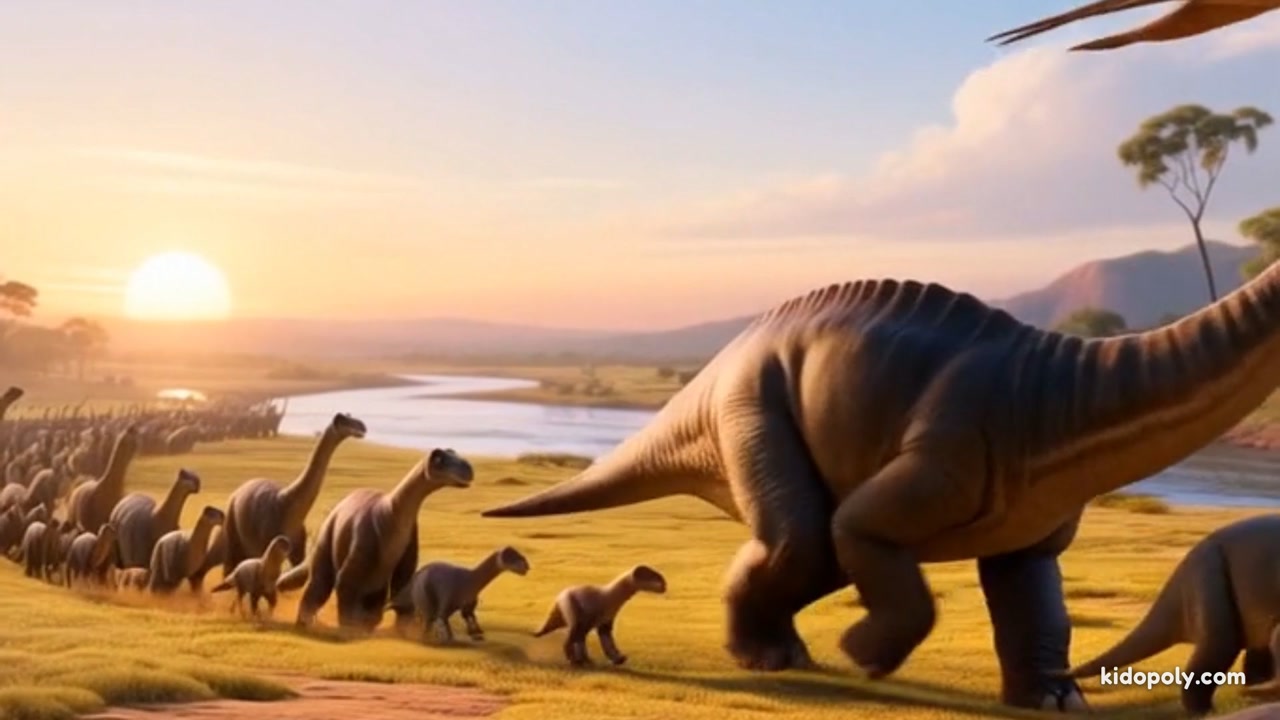
One of the most famous "musical" dinosaurs was the Parasaurolophus. This plant-eater had a massive, hollow crest on its head that could grow over 3 feet (1 meter) long! By creating digital 3D models of this crest and blowing virtual air through it, researchers discovered it likely made a deep, low honking sound, similar to a trombone or a foghorn. These low-frequency sounds are incredible because they can travel through thick jungles and across open plains, allowing a herd to stay in touch even when they are miles apart.

3Bird Calls and Crocodile Rumbles

Since we can't travel back in time, we look at the dinosaurs' closest living relatives: birds and crocodiles. While we often imagine a T-Rex roaring like a lion, it is more likely it made "closed-mouth" sounds. This means it might have produced deep, vibrating rumbles or booming calls that you could feel in your bones before you even heard them! Some smaller feathered dinosaurs might have even chirped or cooed just like the birds in your garden, proving the prehistoric world was filled with a huge variety of unique songs and signals.
Video Transcript

Introduction

We've all imagined the mighty roars of a Tyrannosaurus Rex, but how do scientists actually figure out what sounds dinosaurs made? Since we can't hear them now, palaeontologists look at the shapes of their skulls, especially around the nasal passages, and compare them to living animals like birds and crocodiles. They also study vocal cords in modern creatures to make educated guesses about ancient dinosaur calls.

Key Facts

Did you know that some scientists believe dinosaurs might have made sounds more like booming calls, rumbles, or even coos, similar to modern birds, rather than just loud roars? Did you know the Parasaurolophus had a long, hollow crest on its head that palaeontologists think it used like a giant trombone to make deep, resonant honking sounds, possibly to communicate with its herd?

Think About It

Why can't scientists simply listen to fossilised dinosaur bones to hear the sounds they made?

The Answer

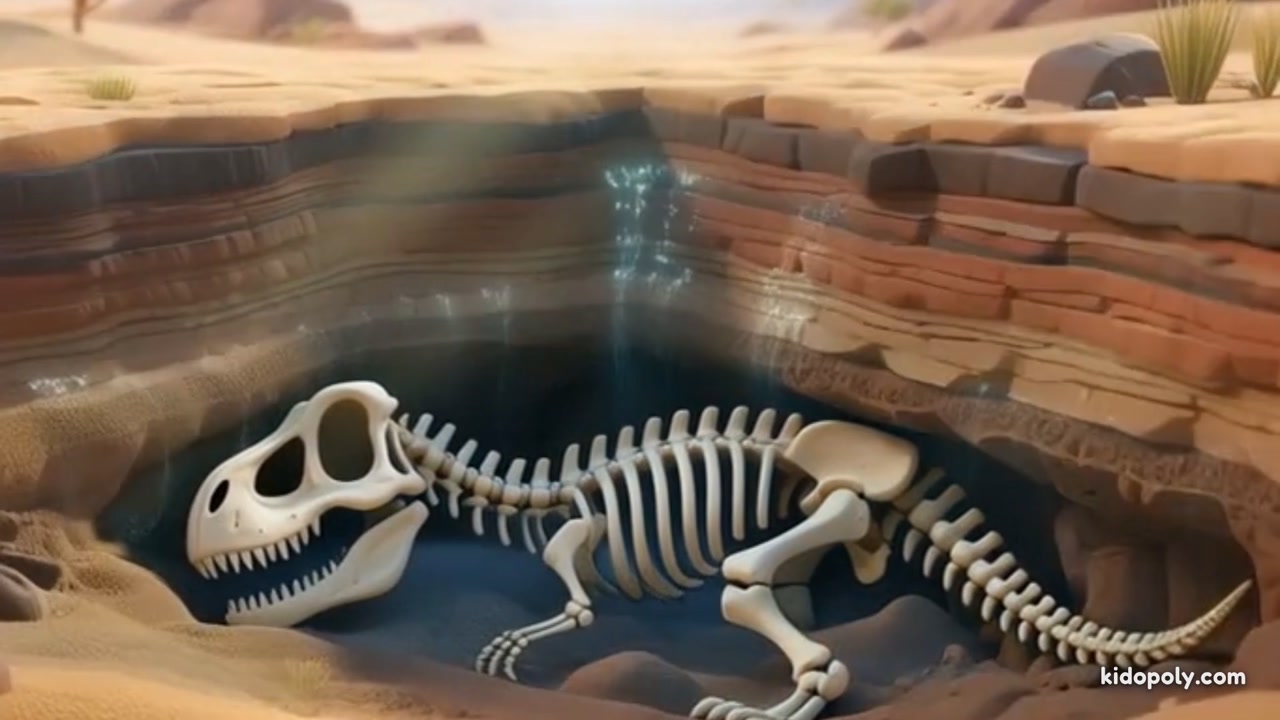
Scientists cannot listen to fossilised dinosaur bones because sound waves are not preserved in fossils. Fossils are the hard parts of animals, like bones, that have turned into rock over millions of years. Sounds are vibrations in the air, which leave no physical trace to be fossilised.

Frequently Asked Questions

Did the T-Rex actually roar like in the movies?

Probably not! Most paleontologists believe the T-Rex made low-frequency 'infrasound' rumbles rather than a high-pitched scream. These sounds were so deep that humans might have felt the vibration in their chests before they actually heard the noise.

Which dinosaur made the loudest noise?

The Parasaurolophus is a top contender because its 3-foot long hollow head crest acted as a natural megaphone. These loud, trumpeting honks helped them communicate with their herd across the vast Cretaceous landscape.

How do we know dinosaurs didn't stay silent?

Animals use sound for important survival tasks like warning others about predators or finding their family. Since dinosaurs lived in complex social groups and moved in herds, they almost certainly needed sounds to communicate and protect one another.

Could some dinosaurs sing like modern birds?

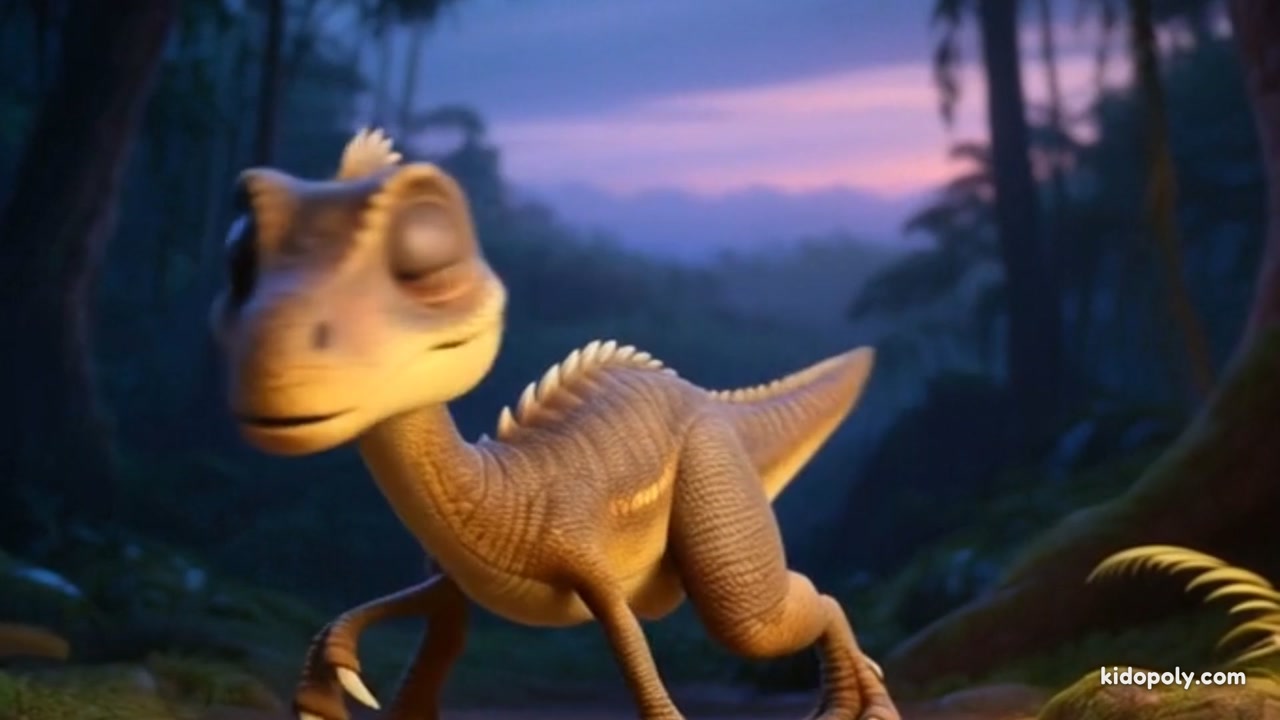
It is very possible! Since birds are the descendants of small, feathered dinosaurs, scientists think those ancient creatures might have made similar chirping, whistling, or cooing noises, especially the smaller species that lived in the treetops.

Watch More Videos

Discover fun educational videos about science, history, animals, and more.

Explore All Videos
Audience Debug