1What is a Dwarf Planet?
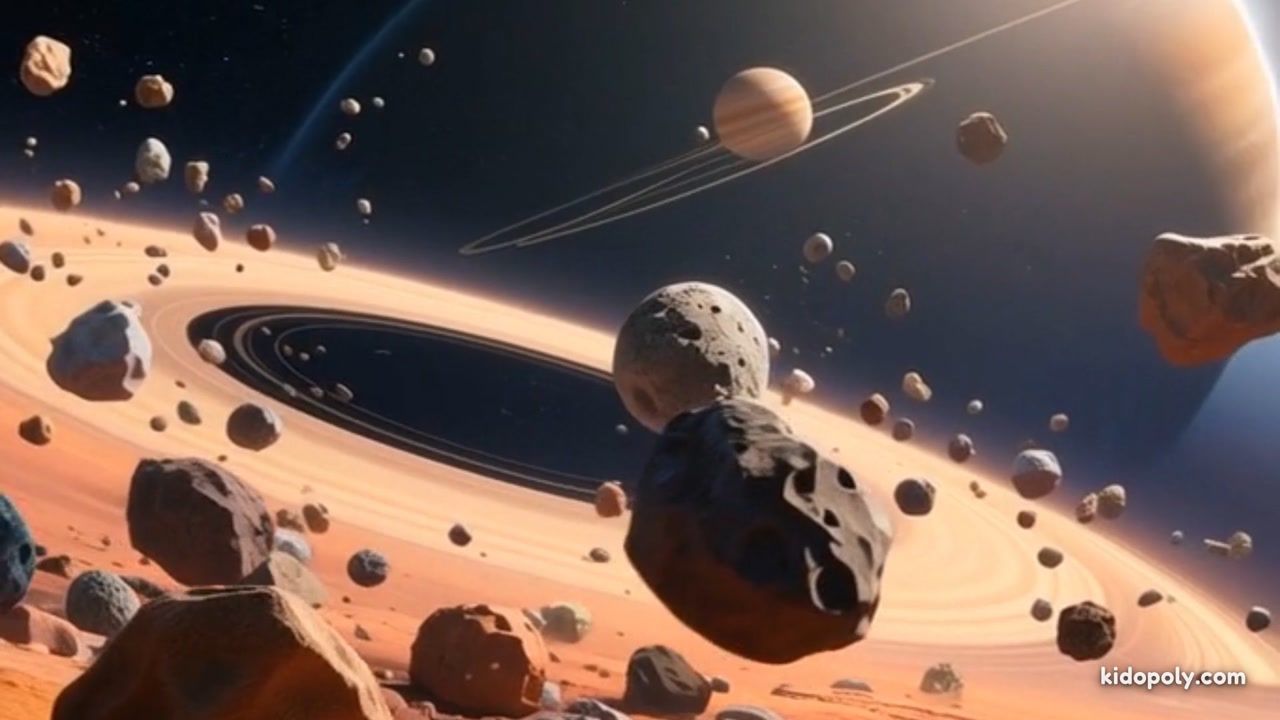
Dwarf planets are some of the most mysterious and cool objects in our solar system! While they look a lot like regular planets because they are round and orbit the Sun, they have one major difference. To be a full-sized planet, an object must be the "boss" of its orbital path by clearing away all the other space rocks and debris. Dwarf planets are a little bit smaller and haven't quite finished cleaning their neighborhoods yet. They share their paths around the Sun with many other asteroids and icy objects, making them the "junior members" of our cosmic family.
2Meet the Famous Five
While Pluto is the most famous member of the group, there are actually five officially recognized dwarf planets. Pluto was considered the ninth planet until 2006, but now it is part of this special category! Its neighbor, Eris, is located even further away in a freezing region called the Scattered Disc; it is actually more massive than Pluto! Closer to home, we find Ceres, the only dwarf planet located in the Asteroid Belt between Mars and Jupiter. There are also two others called Haumea and Makemake. Haumea is particularly strange because it spins so fast that it is shaped like a stretchy football instead of a perfect ball!
3The Power of Gravity
How do these objects get their round shape? It is all thanks to a force called gravity. When an object in space becomes large enough, its own gravity is strong enough to pull all its material toward the center. This process, which scientists call "hydrostatic equilibrium," squashes the object into a sphere. While most asteroids are lumpy and shaped like potatoes, dwarf planets are big enough to be shaped like marbles. Astronomers believe there could be hundreds or even thousands more of these tiny round worlds waiting to be discovered in the dark, icy reaches of the Kuiper Belt beyond Neptune!