Geology 1:00

Earth's History Puzzles for Kids

1Solving the World's Oldest Mystery

Every time a scientist finds a fossil, they are looking at a snapshot of history that is millions of years old! While we often think of huge dinosaur skeletons, the smallest clues can tell the biggest stories. Imagine finding a prehistoric mosquito trapped in sticky tree sap called amber, or a 200-million-year-old leaf print pressed into a stone. These fossils help us understand that our planet was a very different place long before humans arrived, filled with strange plants and incredible creatures that have long since vanished.

2How Nature Makes a Time Capsule

Turning into a fossil isn't easy—it is actually quite rare! When an animal or plant dies, it usually disappears, but if it is covered by layers of wet mud or volcanic ash very quickly, the oxygen is blocked out. Over thousands of years, water carries minerals into the tiny spaces of the bones or shells. Eventually, those minerals turn into solid stone, creating a heavy, rock-hard copy of the original organism. This is why we can still see the sharp teeth of a T-Rex or the delicate patterns of an ancient seashell today.

3More Than Just Old Bones

Palaeontologists don't just look for skeletons; they look for "trace fossils" too. These are things like footprints, burrows, or even fossilized poop, which scientists call coprolites! These clues tell us how fast dinosaurs ran, what they ate for lunch, and even if they lived in big families. By putting these pieces together, we can map out the entire history of life on Earth. It is like being a nature detective, using rocks as our magnifying glass to see deep into the past and solve the puzzles of our planet.
Video Transcript

Introduction

Imagine finding a clue from millions of years ago, perfectly preserved inside a rock! Fossils are like Earth's ancient puzzle pieces, showing us what plants and animals looked like long before humans existed. They form when dead organisms get buried quickly by mud or sand, and over vast amounts of time, their remains turn into stone, waiting to be discovered.

Key Facts

Did you know that not just bones, but also footprints, leaves, and even tiny insects can become fossils? Scientists called palaeontologists study these fossils to piece together the incredible story of life on Earth, understanding how creatures lived, what they ate, and how they changed over millions of years.

Think About It

Why are soft-bodied creatures, like jellyfish or worms, much harder to find as fossils compared to creatures with hard shells or bones?

The Answer

Soft-bodied creatures usually decay and disappear completely before they can be buried and preserved. For a fossil to form, the organism needs to be covered quickly by sediment, protecting it from decay. Hard parts like bones and shells are much more resistant and have a better chance of lasting long enough to become fossilised.

Frequently Asked Questions

How long does it take for something to become a fossil?

It usually takes at least 10,000 years for an organism to fully fossilize! Most fossils found in museums are much older than that, often dating back hundreds of millions of years to the time of the very first sea creatures.

Can humans become fossils too?

Yes, it is possible, but it requires very specific conditions. Scientists have found ancient human ancestors that have been fossilized over millions of years, which helps us understand how humans have changed and evolved over time.

Where is the best place to look for fossils?

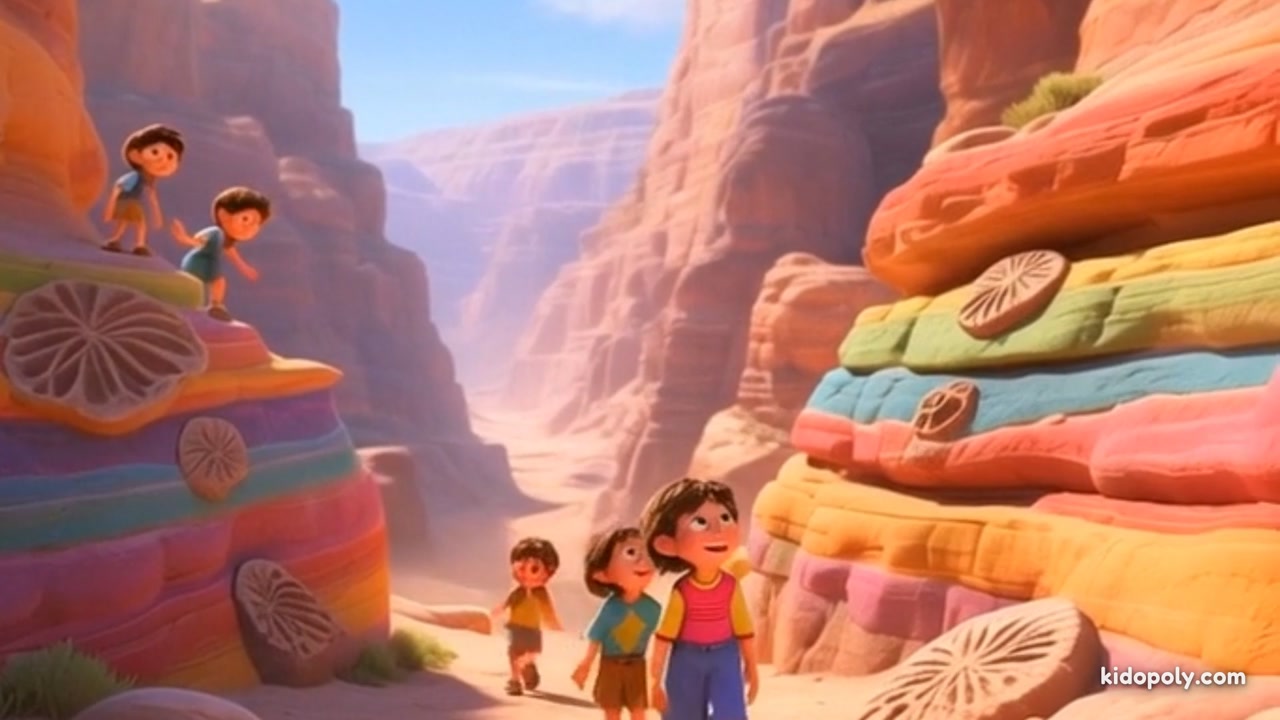
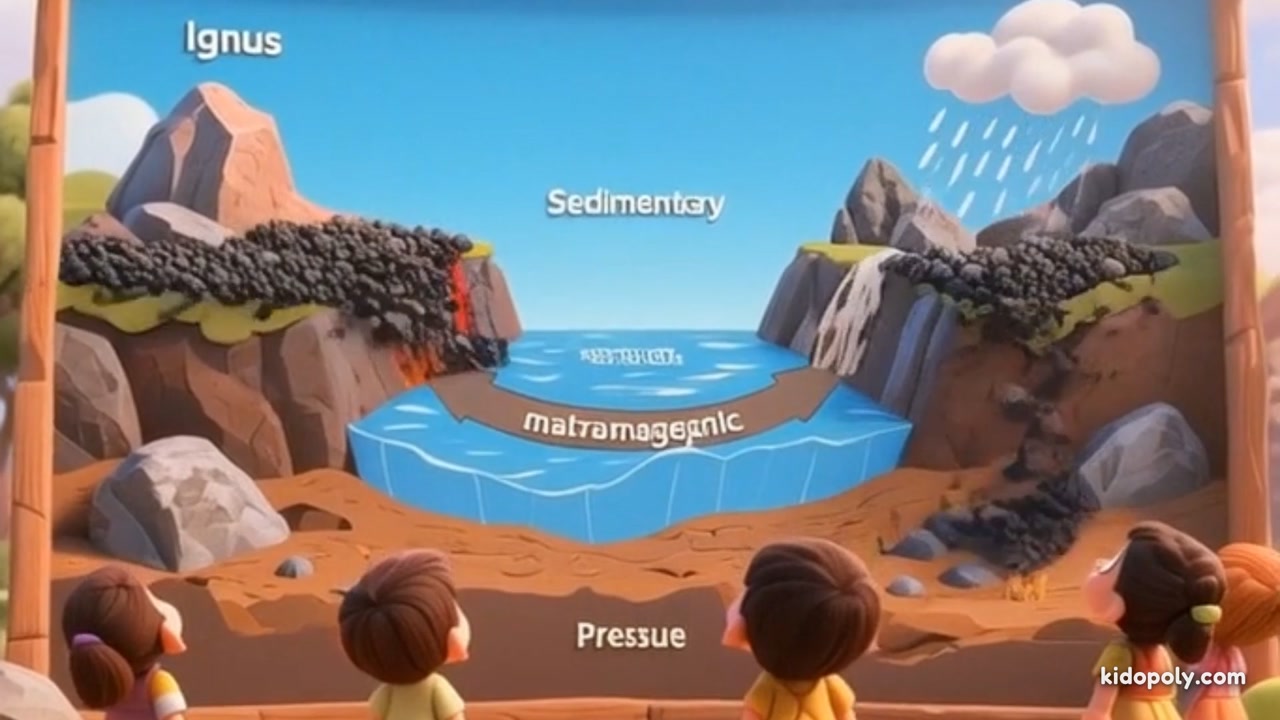
Fossils are most commonly found in sedimentary rocks, which are formed by layers of sand and mud. Places like cliffs, riverbeds, and beaches are great spots because the wind and water wear away the rock to reveal the hidden treasures inside.

Why are some sea fossils found on top of high mountains?

It sounds strange, but many mountaintops used to be at the bottom of the ocean! Over millions of years, the Earth’s giant tectonic plates pushed the land upward, lifting the ancient seabed—and the fossils trapped inside it—high into the sky.

Watch More Videos

Discover fun educational videos about science, history, animals, and more.

Explore All Videos
Audience Debug