1The Slow Power of Erosion
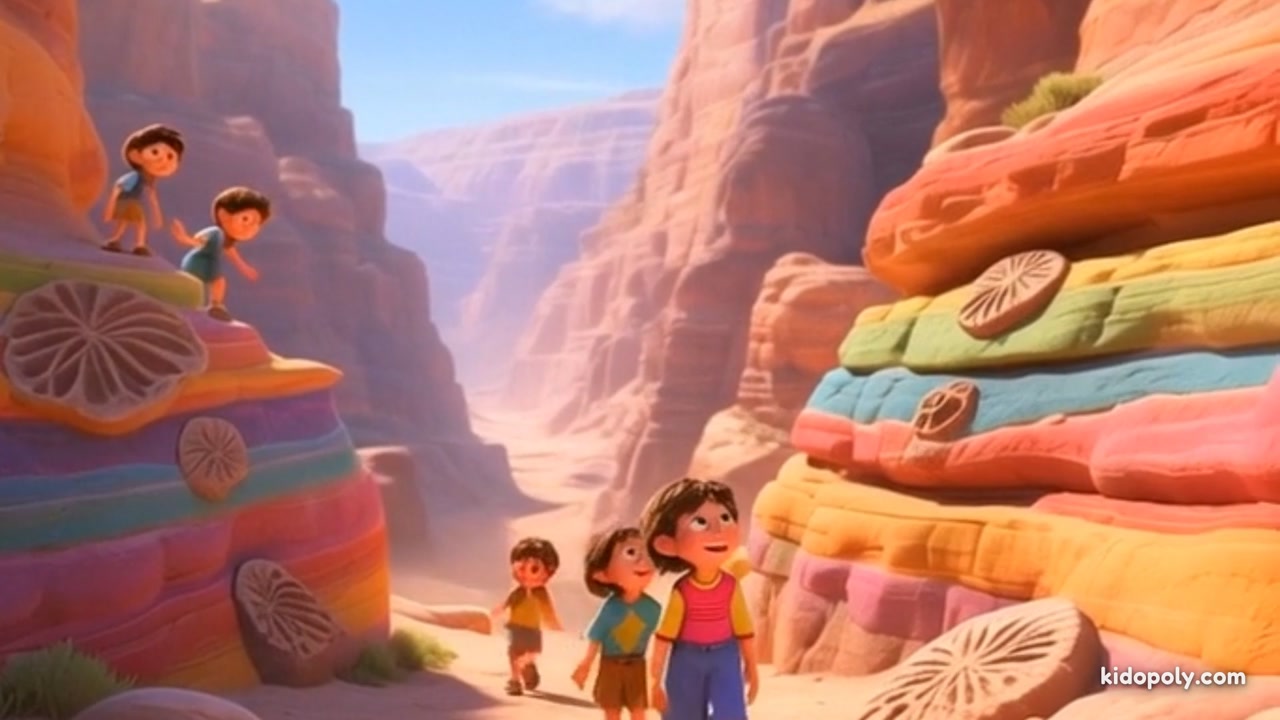
Did you know that water is one of the strongest forces on Earth? Even though it feels soft, running water can cut through solid rock just like a saw! This process is called erosion. Think of it like a patient artist slowly carving a masterpiece. Over millions of years, rivers can create massive structures like the Grand Canyon, which is over a mile deep and stretches for 277 miles. Wind and ice also play their part, chipping away at mountain peaks tiny grain by tiny grain. It happens so slowly that we usually don't notice it, but over a long time, erosion has the power to flatten entire mountain ranges.
2Speeding Mountains and Landslides
While erosion is slow, some geological changes happen in a flash! Landslides occur when a huge chunk of a mountain or hill loses its grip and tumbles down. This usually happens on steep slopes after a heavy rainstorm or an earthquake. When the soil gets too heavy and soaked with water, it turns into a slippery slide. A single landslide can move enough rock and soil to fill thousands of Olympic-sized swimming pools in just seconds! These moving masses of debris can travel at speeds over 50 miles per hour, which is faster than most cars drive through your neighborhood.
3A Planet That Never Stops Changing
Our Earth is a living, breathing planet that is constantly being redesigned by nature. From the tiny pebbles being washed down a backyard stream to the massive cliffs crashing down during a landslide, the landscape around us is never truly finished. Geologists, the scientists who study rocks, look at these changes to understand what the Earth looked like millions of years ago. By learning about erosion and landslides, we can see how the Earth balances itself out, using the unstoppable power of nature to move mountains and create the incredible scenery we see today.