Geology 1:00

Earth's Steam Show for Kids

1The Underground Oven

Imagine a world deep beneath your toes where the rocks are so hot they actually glow. This intense heat comes from magma, or melted rock, which acts like a giant stove burner inside the Earth. When rainwater seeps deep into the ground, it travels through a maze of rocky tunnels until it hits these hot spots. The water doesn't just get warm; it becomes "superheated," reaching temperatures well over 200 degrees Fahrenheit. Because the water is trapped deep underground, it is under much more pressure than a pot of water on your kitchen stove, which allows it to get incredibly hot without turning into steam right away.

2The Big Blast

Geysers are like Earth's natural pressure cookers. Because the water is trapped in narrow, pipe-like cracks, it can't move around easily to cool off. As the water at the bottom of the pipe gets hotter and hotter, it eventually forces some of the water above it out of the way. When that pressure is released, the bottom layer of water instantly flashes into steam, expanding 1,600 times its original size! This explosive force pushes everything upward in a spectacular burst, shooting thousands of gallons of water and steam over 100 feet into the air. It is a powerful reminder of just how much energy is moving around right under our feet.

3A Colorful Home for Life

Not all of Earth’s steam comes out with a bang; sometimes it creates peaceful, bubbling hot springs. These pools are more than just natural hot tubs; they are home to tiny organisms called thermophiles. These "heat-lovers" thrive in temperatures that would be dangerous for most other living things. They are the reason some pools in places like Yellowstone National Park look like bright rainbows. Different types of microbes live in different temperatures, painting the edges of the water with vibrant rings of red, yellow, and green. It is amazing to think that Earth’s heat can create both a powerful explosion and a beautiful, colorful home for life!
Video Transcript

Introduction

Deep beneath our feet, Earth holds a secret oven! Sometimes, this heat makes water very, very hot. When this superheated water finds cracks, it can burst out of the ground as towering geysers, shooting steam and water high into the air, or create bubbling hot springs perfect for a warm dip. It's like Earth is taking a steamy breath!

Key Facts

Did you know that the famous Old Faithful geyser in Yellowstone National Park erupts so regularly, you can almost set your watch by it? Some hot springs are home to special colourful tiny living things called thermophiles, which love hot water and paint the pools with vibrant colours like red, orange, and green!

Think About It

What makes the water in a geyser shoot up so high, instead of just bubbling gently like a pot on a stove?

The Answer

It is all about pressure! Underground water gets trapped and heated by Earth's hot rocks until it becomes superheated, turning into steam. When the pressure builds too much, the steam explosively pushes the water above it out of the ground in a magnificent burst.

Frequently Asked Questions

Why do some geysers erupt at the same time every day?

Some geysers, like Old Faithful, have very consistent 'plumbing' systems underground. After an eruption, it takes a specific amount of time for the rocky reservoir to refill with water and for the heat to build up enough pressure again. Because the shape of the cracks stays the same, the cycle repeats like a natural timer.

Is it safe to touch the water in a hot spring or geyser?

No, you should never touch the water in a geyser or a wild hot spring because it is usually much hotter than boiling water. In thermal parks, the water can be over 200 degrees Fahrenheit, which would cause a very serious burn instantly. It is always best to stay on the boardwalks and watch the steam show from a safe distance.

Are geysers and volcanoes the same thing?

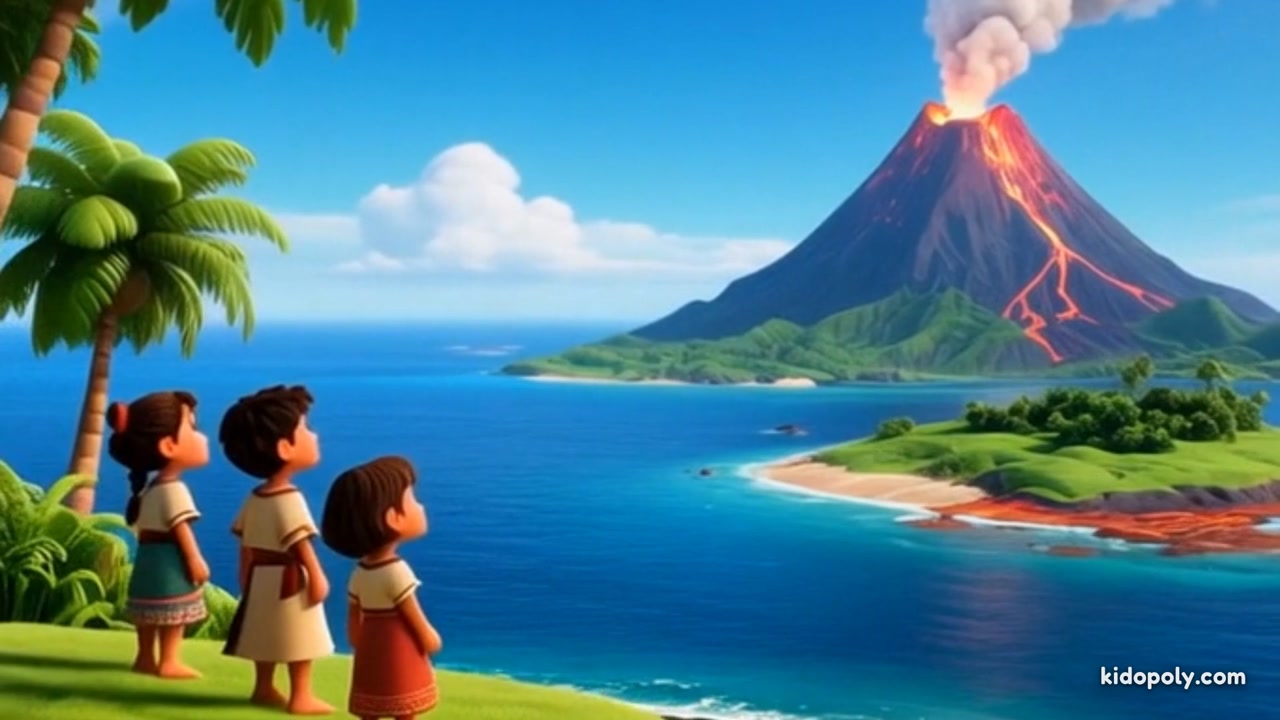
Geysers and volcanoes are related because they both use heat from deep inside the Earth, but they are not the same. A volcano erupts with molten rock called magma or lava, while a geyser erupts with superheated water and steam. However, geysers are almost always found in volcanic areas where magma is close enough to the surface to heat the groundwater.

What are those bright colors inside the hot spring pools?

Those beautiful colors come from trillions of tiny microscopic creatures called thermophiles. Different types of these microbes live in different temperatures of water, creating a 'map' of the heat. The center of the pool is often blue because it is the hottest part, while the orange and green rings show where cooler-loving microbes live.

Watch More Videos

Discover fun educational videos about science, history, animals, and more.

Explore All Videos
Audience Debug