1The Magical World of Hieroglyphs
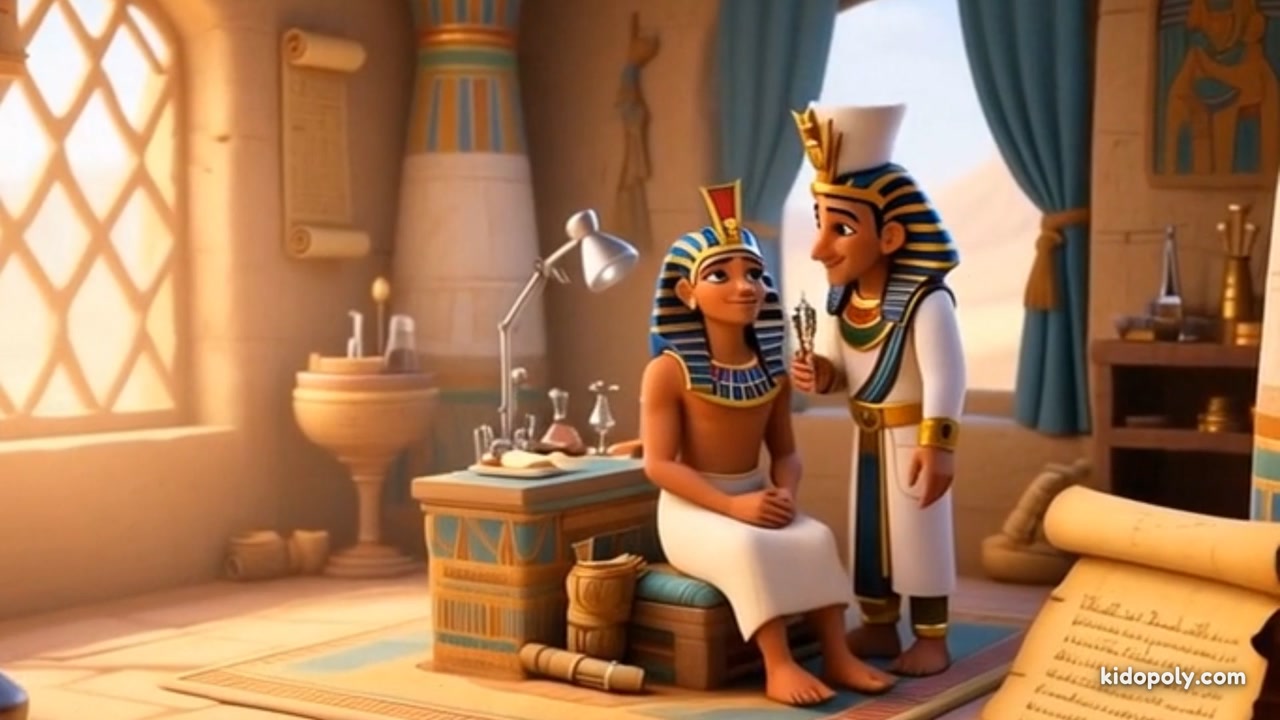
In Ancient Egypt, being a scribe was like having a superpower! While most people in the kingdom couldn't read or write, scribes spent up to 12 years in "scribe school" learning over 700 different hieroglyph symbols. These weren't just letters; they were beautiful pictures of animals, people, and objects. The Egyptians believed that words had magical powers, so writing down a person’s name was thought to help them live forever. This made scribes some of the most respected people in society, second only to the royal family and priests.
2Tools of the Royal Trade
Scribes didn't use notebooks or pens like we do today. Instead, they carried special wooden palettes that held cakes of black and red ink. They made black ink from soot and red ink from a mineral called ochre. To write, they used pens made from thin river reeds, chewing the ends to make them soft like a tiny paintbrush. Their paper, called papyrus, was made by pressing thin strips of reeds together in a cross-pattern. Because papyrus was expensive, students often practiced their signs on pieces of broken pottery or smooth limestone first.
3Busy Days in the Pharaoh's Palace
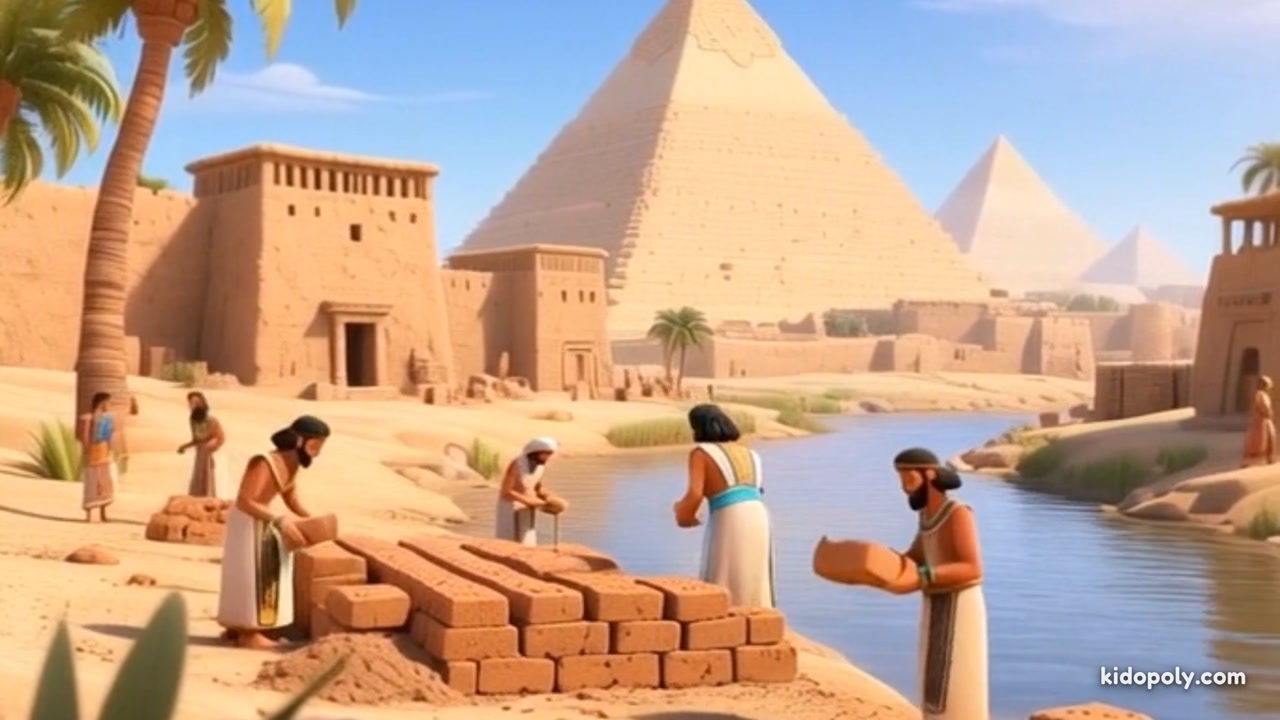
Scribes were the brains behind the Egyptian Empire. They worked in every part of the government, from counting the grain in the royal storehouses to writing down the laws of the land. Some scribes even worked as secret message carriers for the pharaoh or decorated the walls of giant tombs with spells from the Book of the Dead. They recorded the height of the Nile River floods every year, which helped the farmers know when to plant their crops. Without these skilled writers, we wouldn't know nearly as much about the amazing history of Ancient Egypt today!