Chemistry Magic 1:00

Enzyme Lock Key for Kids

1Tiny Molecular Machines

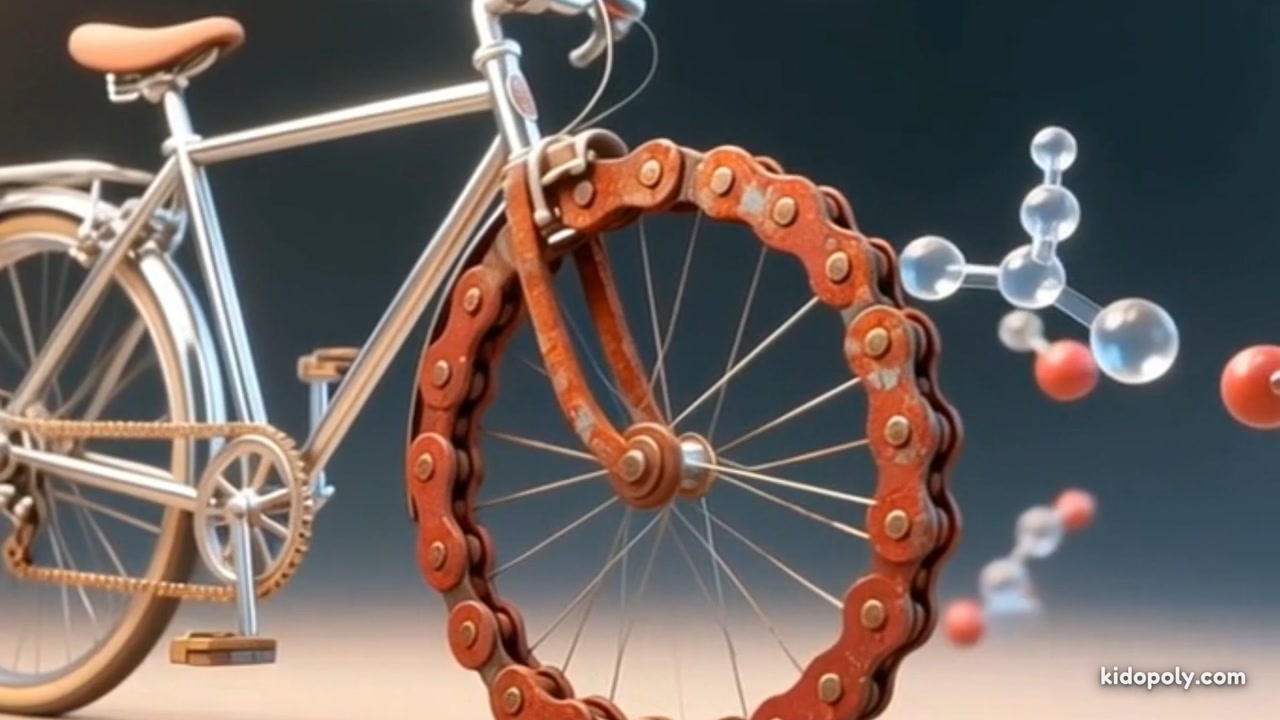
Imagine your body is a giant, bustling city where millions of tiny jobs need to get done every single second. Enzymes are the "super-tools" that make all of this happen! They are shaped just like biological locks, and the molecules they work with are the keys. Because their shapes are so specific, an enzyme designed to help you digest milk won't accidentally try to build a muscle instead. This "Lock and Key" model is the secret behind how your body stays organized, efficient, and healthy every day.

2The Perfect Fit

Inside your cells, these molecular machines are incredibly busy and selective. While most chemical reactions in nature happen very slowly, enzymes act like high-speed turbo boosters. They can speed up a chemical reaction by more than a trillion times! Without them, simple things like breathing, thinking, or moving would take way too long for us to survive. There are over 75,000 different types of enzymes in your body, and each one has a unique "active site"—a special pocket sculpted perfectly to fit its specific molecular partner.

3Nature’s High-Speed Magic

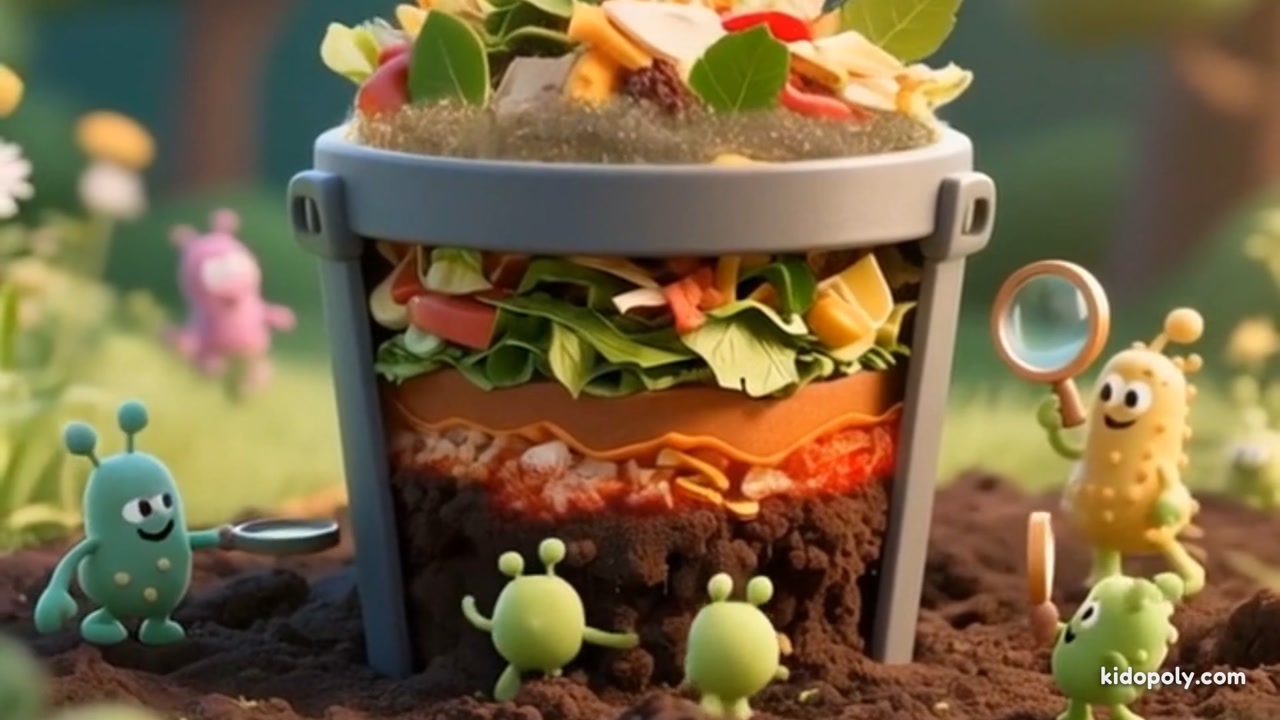
What is even more amazing is how fast these workers move. Some of these tiny specialists can perform their molecular magic over a million times every single second! They can either snap two molecules together to build something new or chop a large molecule into smaller pieces for energy. By being so picky about which "keys" they let into their "locks," enzymes prevent chemical chaos. This ensures that every reaction in your body happens at exactly the right time and in the right place to keep life running smoothly.
Video Transcript

Introduction

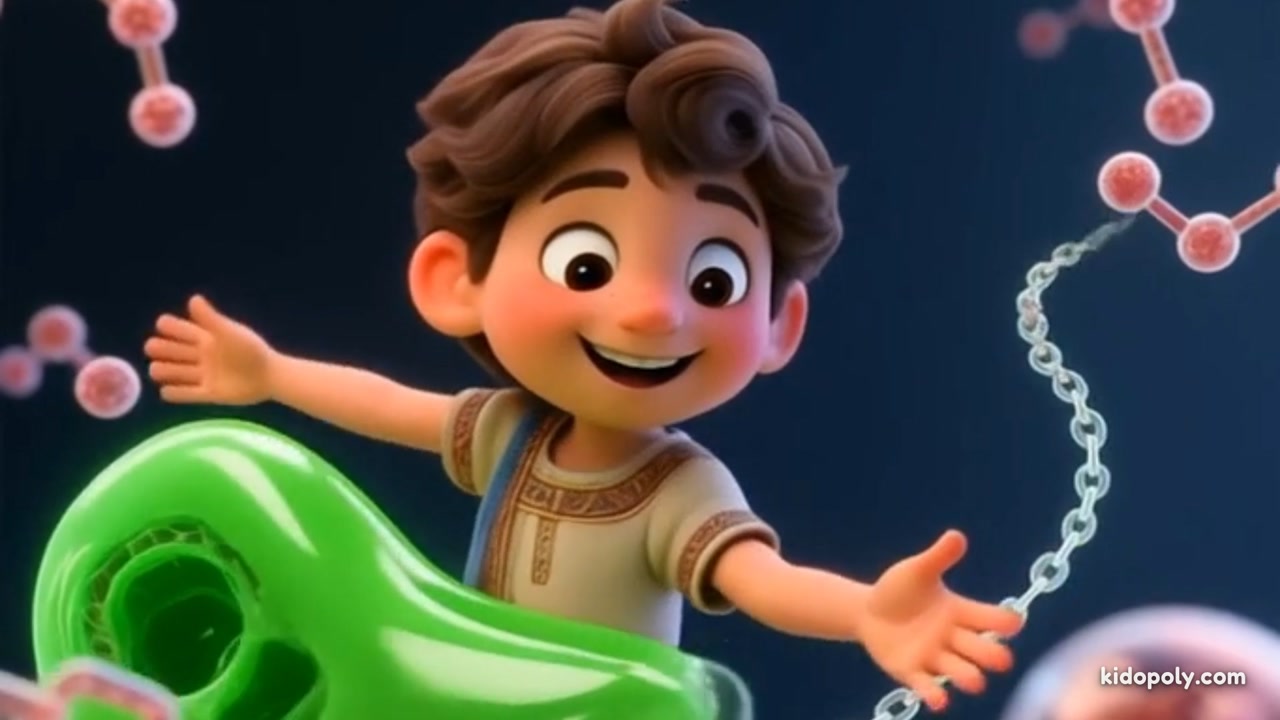
Enzymes are like tiny molecular machines with built-in locks and keys! Each enzyme has a precisely shaped active site that only fits with specific molecules, like a key that only opens one lock. When the right molecule fits, the enzyme can break it apart or stick molecules together, powering all the chemistry of life.

Key Facts

Did you know your body contains over 75,000 different types of enzymes, each with its own special job? Did you know enzymes can speed up chemical reactions by more than a trillion times compared to no enzyme at all? Did you know some enzymes can perform their molecular magic over a million times per second?

Think About It

Why do you think enzymes are so incredibly specific that they only work with certain molecules and not others?

The Answer

Enzymes evolved over millions of years to have exactly the right shape for their job! Their active sites are precisely sculpted to fit specific molecules perfectly. If enzymes were not selective, they would cause chaos by triggering random chemical reactions. This specificity ensures that only the right reactions happen at the right time in living cells.

Frequently Asked Questions

What is an enzyme's active site?

An active site is a special, uniquely shaped pocket on an enzyme where the magic happens. Just like a puzzle piece, only one specific molecule can fit into this pocket to start a chemical reaction.

Can one enzyme do many different jobs?

No, enzymes are very specialized! Because of the Lock and Key rule, each of the 75,000 types of enzymes in your body is built for one specific task, like breaking down food or repairing your DNA.

What would happen if we didn't have enzymes?

Without enzymes, the chemical reactions that keep us alive would happen much too slowly to work. Some reactions that take a fraction of a second with enzymes might take years to happen on their own!

How does an enzyme know which molecule to work with?

It all comes down to the shape! Enzymes and molecules bump into each other constantly, but they only stick together if their shapes match perfectly, ensuring only the right reactions occur.

Watch More Videos

Discover fun educational videos about science, history, animals, and more.

Explore All Videos
Audience Debug