Art 1:00

Temporary Art for Kids

1The Beauty of the "Now"

When we think of art, we often imagine heavy stone statues or paintings hanging in museums for hundreds of years. However, some of the most breath-taking masterpieces are designed to last only a few hours! This is called "ephemeral art." Artists use materials like fluffy snow, crunchy autumn leaves, or even simple water to create works that celebrate the present moment. Because these pieces don't last forever, they encourage us to look closely and appreciate what is right in front of us before the wind or rain changes it into something else.

2Incredible Sand Mandalas

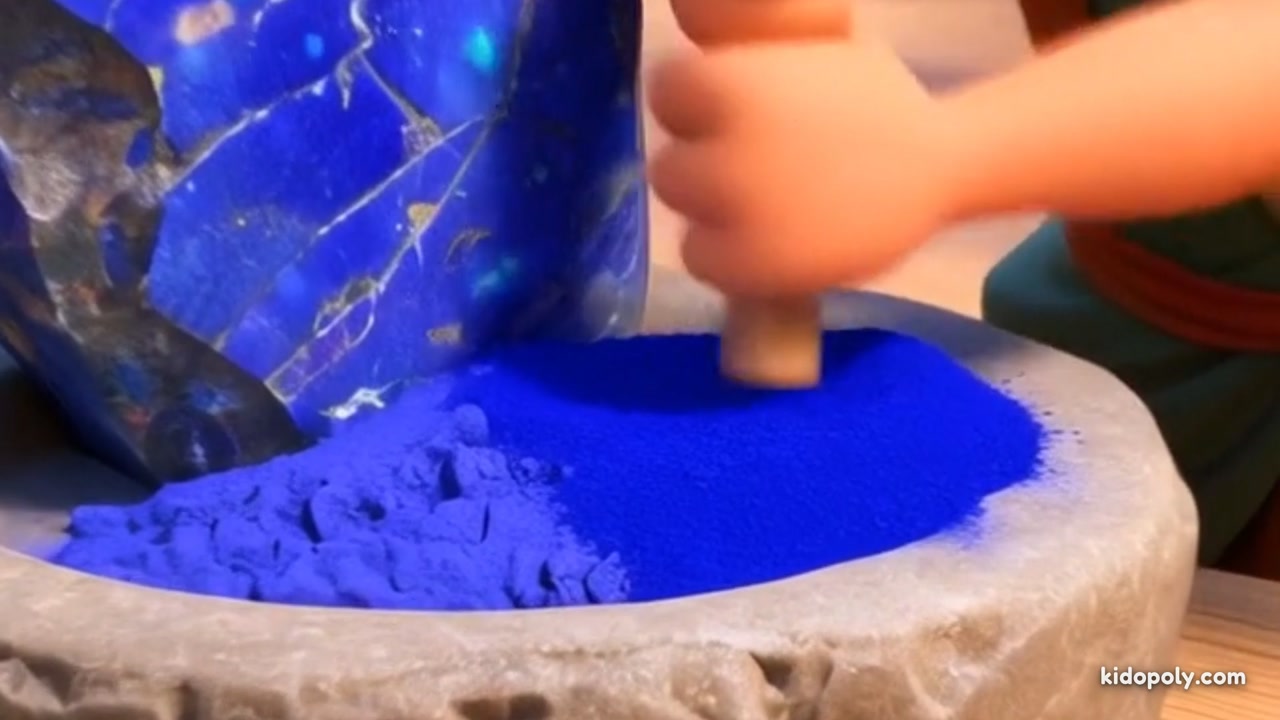
One of the most famous examples of temporary art comes from Tibetan Buddhist monks. These artists spend up to 100 hours carefully placing millions of grains of colored sand to create a "mandala," which is a complex and beautiful circular design. After the masterpiece is finally finished, the monks perform a special ceremony and sweep all the sand away into a single pile. This ritual is meant to teach us that life is always changing and that the journey of making something is just as important as the final product.

3Art That Melts and Washes Away

Nature acts as a giant canvas for temporary artists all over the world. In cold climates, teams of sculptors use chainsaws and chisels to carve massive, glowing castles out of 200-pound blocks of ice. These frozen palaces look like they belong in a fairy tale, but they eventually turn back into water when spring arrives. Similarly, street artists use vibrant chalk to turn ordinary grey pavements into 3D illusions. Even though a single rainstorm can wash their hard work away, the art lives on through the photos and the smiles of everyone who walked past it.
Video Transcript

Introduction

Not all art is made to last forever. Some artists create beautiful pieces that are temporary, designed to disappear, like sand sculptures washed away by the tide or ice carvings that melt in the sun. These artworks remind us to enjoy the moment and appreciate the creative process, even if they won't be around tomorrow.

Key Facts

Did you know, Tibetan Buddhist monks create intricate sand mandalas that can take weeks to make, only to be swept away in a ritual showing life's impermanence? Did you know, ice sculptures are popular in cold climates and at festivals, where they glow beautifully but eventually melt back into water? Did you know, some artists create drawings on pavements using chalk that disappear with the next rain shower, making each viewing a unique experience.

Think About It

If art is made to disappear, like a sand sculpture, does it still count as art?

The Answer

Yes, absolutely! Art is not just about a final product that lasts forever; it's also about the idea, the creation process, the experience of making it, and the feelings it creates for those who see it. Temporary art teaches us about the beauty of the present moment and that even short-lived things can be incredibly meaningful.

Frequently Asked Questions

What happens to temporary art when it disappears?

While the physical art might melt or wash away, it lives on through photographs, videos, and the memories of the people who saw it. For many artists, the fact that the art is gone makes the experience of seeing it even more special and rare.

Why would an artist spend weeks on something that won't last?

Many artists believe that the most important part of art is the 'process,' or the time spent creating it. Making temporary art is a way to practice patience and to remind viewers to enjoy the beauty of the world right now.

Can I make my own temporary art at home?

Yes, you can! You can create 'gravity art' by balancing stones at the park, draw with a spray bottle of water on a hot sidewalk, or arrange colorful fallen leaves into a pattern in your backyard. The best part is that you can let nature 'clean up' your workspace when you are finished.

What is the most famous type of temporary art?

Sand sculptures and ice carvings are very famous, but the Tibetan sand mandalas are legendary because they are so detailed. Artists use small metal tubes called 'chak-purs' to drop one grain of sand at a time, creating patterns that look like they were printed by a machine!

Watch More Videos

Discover fun educational videos about science, history, animals, and more.

Explore All Videos
Audience Debug