Birds 1:00

Feather Makeover for Kids

1The Magic of Moulting

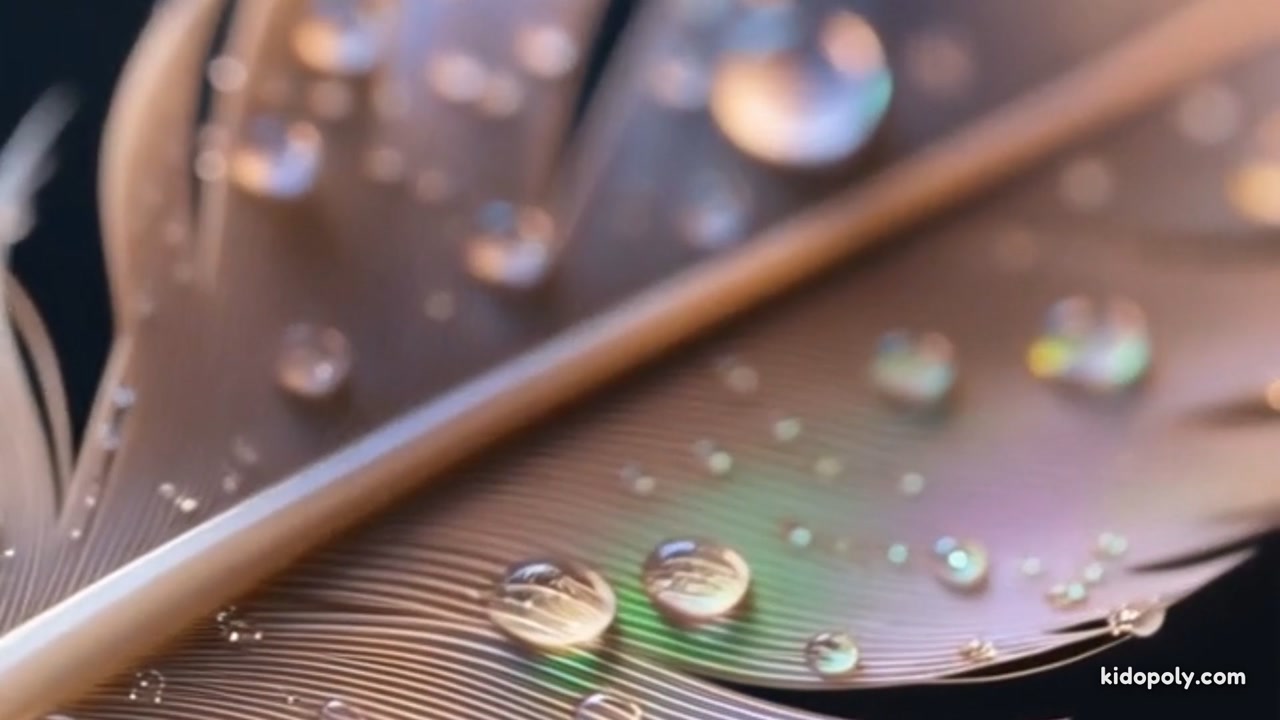
Did you know that birds are some of the busiest animals in nature when it comes to their wardrobe? Unlike us, birds cannot just buy a new coat when the weather gets cold or their old one gets a hole. Instead, they grow an entirely new set of feathers in a process called "moulting." Over time, feathers take a real beating from the wind, rain, and the friction of flying through the air. They can become frayed, broken, or even lose their waterproof coating. By growing a fresh set, birds ensure they are always ready for takeoff and protected from the elements.

2A Fresh Start for Flight

Losing feathers can be tricky business. If a bird lost all its feathers at once, it wouldn't be able to fly or stay warm! To solve this, most birds moult gradually, replacing just two or three feathers at a time so they can still zip through the sky. However, some birds like ducks and geese do things differently. They undergo a "simultaneous moult," losing all their wing feathers at once. During this time, they stay hidden in tall grass or on the water for about 3 to 4 weeks until their new flight feathers grow back. It is like a secret hide-and-seek game while they wait for their new wings to arrive.

3More Than Just Good Looks

A feather makeover isn't just about flying; it is also about staying healthy and finding friends. New feathers provide the best insulation, trapping heat close to the bird's body to keep them cozy during chilly nights. Some birds even change color during their moult! For example, a male Goldfinch might look dull green in the winter but grow bright, sunny yellow feathers in the spring to attract a mate. This "breeding plumage" is like putting on a fancy tuxedo for a special party. From staying dry to looking sharp, a feather makeover is vital for every bird's survival.
Video Transcript

Introduction

Imagine getting a brand new outfit every year! Birds do something similar, regularly changing all their feathers in a process called moulting. Their feathers wear out from flying and weather, so growing fresh, strong ones is vital for flying, keeping warm, and even attracting a mate. It is like a complete feather makeover!

Key Facts

Did you know that birds cannot fly when they are losing lots of flight feathers at once, so some types of ducks lose all their wing feathers at the same time and hide until new ones grow? Some birds moult gradually, replacing just a few feathers at a time, so they can still fly. When a bird moults, new feathers push the old ones out, like losing baby teeth!

Think About It

Why is it so important for birds to get a 'feather makeover' by losing old feathers and growing new ones?

The Answer

Over time, feathers get worn down, broken, or faded from flying, battling the weather, and general wear and tear. Old feathers become less efficient for flight and do not provide good insulation. Growing new, strong feathers keeps the bird healthy, helps it fly better, stays warm and dry, and sometimes even changes its colour for the mating season to attract a partner.

Frequently Asked Questions

How often do birds get a feather makeover?

Most birds moult at least once a year, usually after their babies have grown up or before they start a long migration. Some birds are extra busy and moult twice a year to change from their bright summer colors into camouflaged winter feathers.

Does it hurt when a bird loses its feathers?

No, moulting doesn't hurt at all! It is very similar to when humans lose their baby teeth or when you clip your fingernails. The old feather is pushed out naturally by a brand-new feather growing underneath it.

Can all birds fly while they are moulting?

Most birds can still fly because they only lose a few feathers at a time, keeping their wings balanced. However, certain water birds like ducks and swans lose all their flight feathers at once and must stay on the ground or water for several weeks until the new ones grow in.

Why do feathers wear out in the first place?

Feathers are made of a strong protein called keratin, but they get damaged by sunlight, rubbing against branches, and the constant stress of flapping. Without a regular makeover, a bird's feathers would eventually become too broken to lift them into the air or keep them dry.

Watch More Videos

Discover fun educational videos about science, history, animals, and more.

Explore All Videos
Audience Debug