Birds 1:00

Feather Secret Powers for Kids

1The Marvel of Feather Engineering

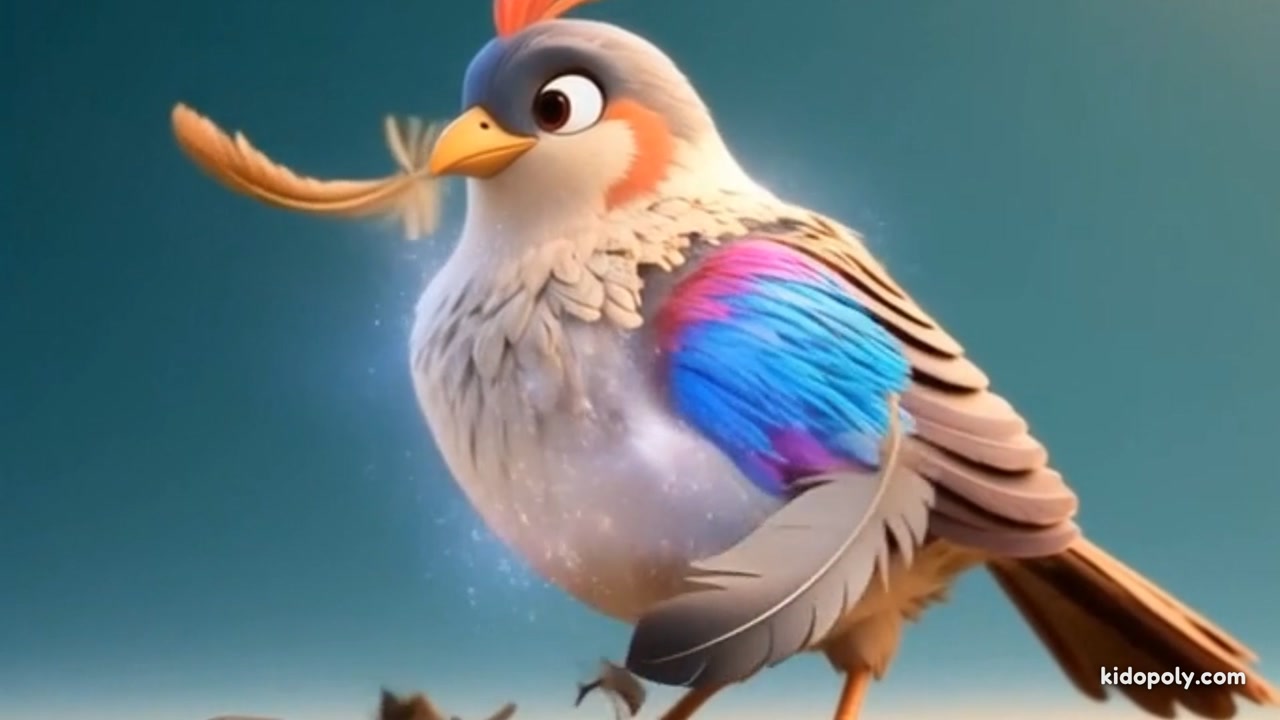
Did you know that feathers are made of a protein called keratin? This is the exact same material that makes up your fingernails and hair! While feathers look soft, they are actually masterpieces of natural engineering. A bird’s skeleton is often very light to help it fly, but in many species, the feathers actually weigh more than the bird's entire bony skeleton. Each individual feather has a central shaft called a rachis, with hundreds of tiny branches called barbs coming off it. These barbs are held together by millions of microscopic hooks, allowing the bird to "zip" its feathers back together with its beak if they get ruffled.

2Nature’s Ultimate Waterproof Raincoat

Feathers do much more than just look pretty; they act as a high-tech survival suit. Most birds have a special oil gland near the base of their tail. When they preen, they use their beaks to spread this oil across their feathers, creating a waterproof barrier. Combined with the tight, interlocking structure of the barbs, this prevents water from reaching the bird's skin. This is why a duck can spend all day floating on a freezing pond and stay perfectly dry and warm underneath its outer layer. It is like wearing a built-in raincoat and a life vest at the same time!

3More Than Just Flight

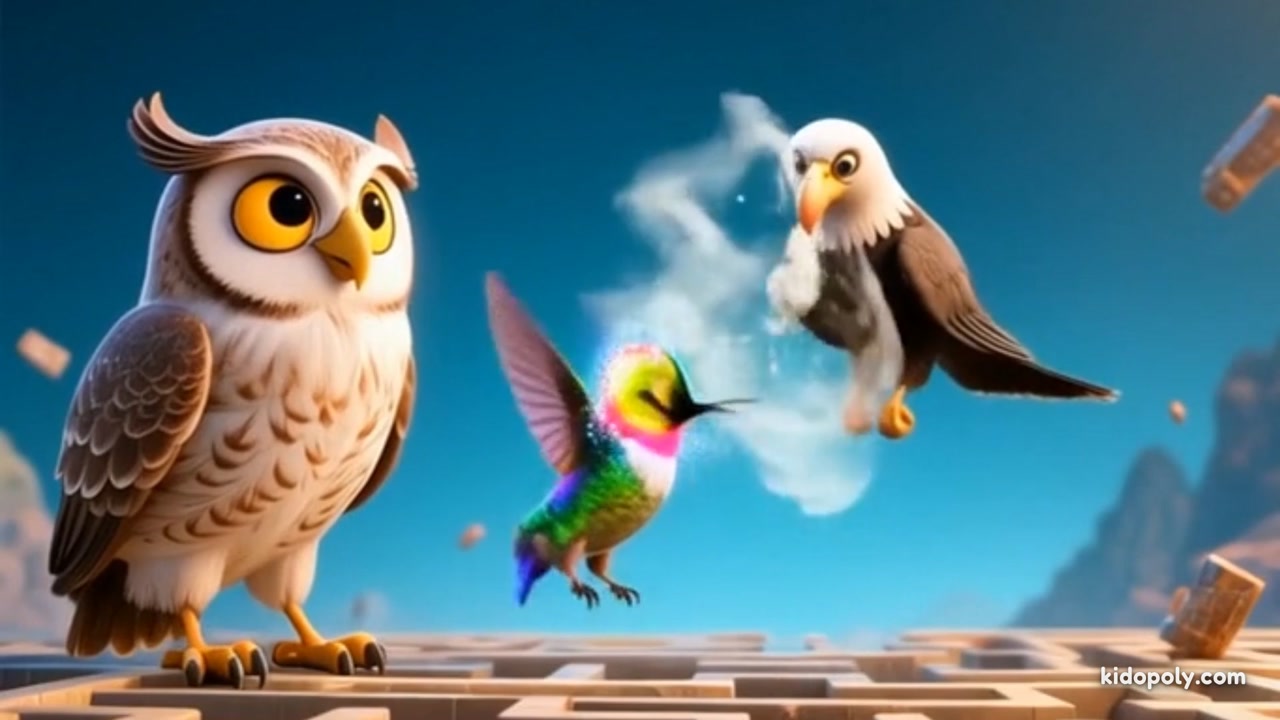
While we usually think of feathers for flying, they have several other "secret powers." Owls, for example, have feathers with special fringed edges that break up the air as they fly, making their movement almost completely silent so they can surprise their prey. Other birds use "structural color," where the shape of the feather reflects light to create brilliant blues and greens that aren't actually caused by paint-like pigments. From the stiff tail feathers that woodpeckers use like a kickstand to the fancy plumes used for showing off, feathers are the most versatile tools in the animal kingdom.
Video Transcript

Introduction

Feathers are not just for flying; they have many secret superpowers! Each feather is a masterpiece of engineering, designed to keep birds warm, dry, and even hidden. They are incredibly light yet strong, helping birds float through the air or survive in icy conditions, making them truly amazing natural tools.

Key Facts

Did you know a single feather can have millions of tiny hooks and loops that zip together like Velcro, making it super strong and airtight for flying? This amazing structure also helps birds shed water, keeping them dry even in the heaviest rain. Some feathers even have special colours that help birds blend into their surroundings, like a secret costume!

Think About It

How do a bird's feathers help it stay warm in very cold weather, even when it is snowing?

The Answer

Birds have a special layer of fluffy down feathers close to their bodies, hidden underneath their outer feathers. These down feathers trap air, creating a warm insulating layer, just like a cosy winter jacket. This trapped air stops body heat from escaping, keeping the bird warm and toasty, even in freezing temperatures.

Frequently Asked Questions

What happens if a bird's feathers get damaged?

Birds perform a process called molting, where they drop their old, worn-out feathers and grow brand-new ones. This usually happens once or twice a year to ensure their 'flight suit' stays in top condition.

Are all feathers the same?

No, birds have different types of feathers for different jobs! Flight feathers are stiff and strong, down feathers are soft and fluffy for warmth, and contour feathers give the bird its shape and color.

How many feathers does a bird have?

It depends on the size of the bird! A tiny hummingbird might have around 1,000 feathers, while a large whistling swan can have more than 25,000 feathers covering its body.

Can feathers help a bird hide?

Yes, many birds use feathers for camouflage, which is like a secret costume. Their feathers might have patterns that look like dead leaves or tree bark, helping them stay invisible to predators.

Watch More Videos

Discover fun educational videos about science, history, animals, and more.

Explore All Videos
Audience Debug