1Tiny Chefs with Big Jobs
Imagine millions of microscopic workers inside your kitchen, busy turning plain ingredients into delicious treats! This isn't science fiction—it is the magic of fermentation. In this process, tiny living things called microorganisms, like beneficial bacteria and yeasts, eat the sugars and starches in food. As they eat, they release things like lactic acid or carbon dioxide gas. This change doesn't just make the food taste different; it actually creates new vitamins and helpful nutrients that weren't there before! It is like a secret upgrade for your snacks.
2A Bubbling History Lesson
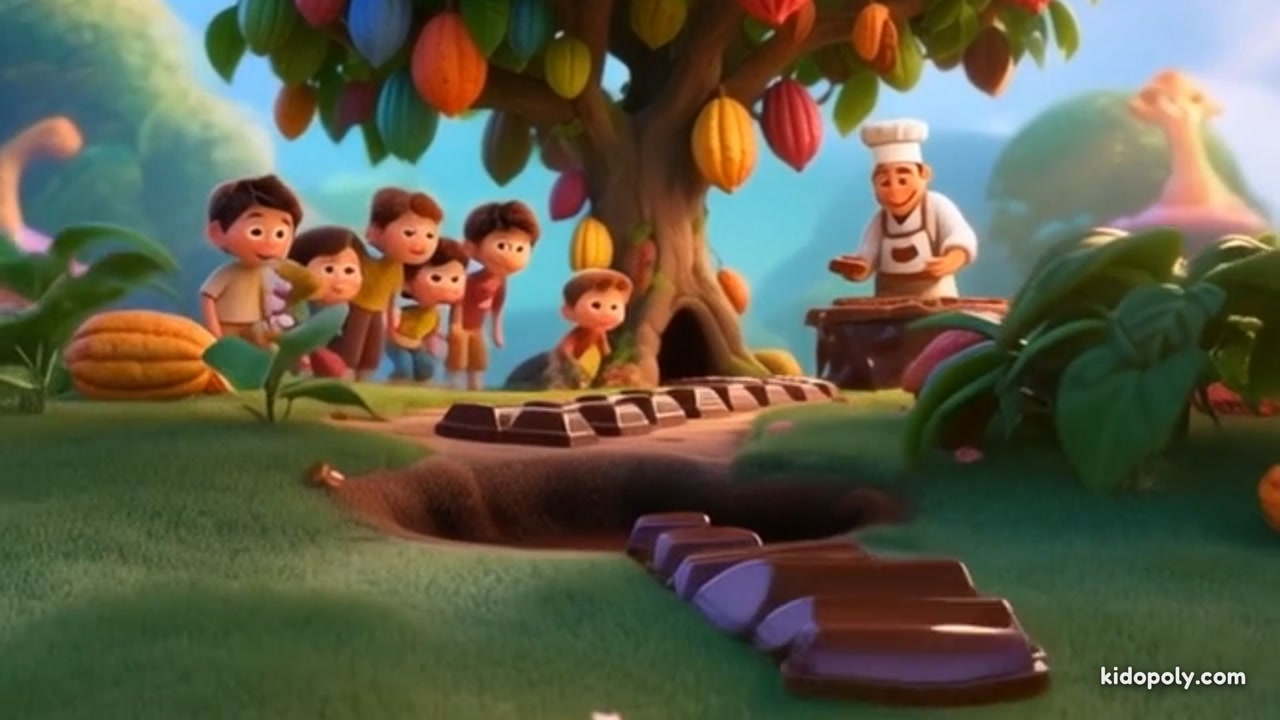
Humans have been using this invisible science for a very long time—over 9,000 years! Long before people had refrigerators, they discovered that fermented foods didn't spoil as quickly. In ancient Egypt, bakers used yeast to make the very first leavened bread. Without those tiny yeast cells "burping" out carbon dioxide gas, every loaf of bread you eat would be as flat and hard as a cracker! Even the chocolate in your candy bar starts out as a bitter bean that must be fermented for about five to seven days to develop its sweet, rich flavor.
3Why Fermented Food is Super Food
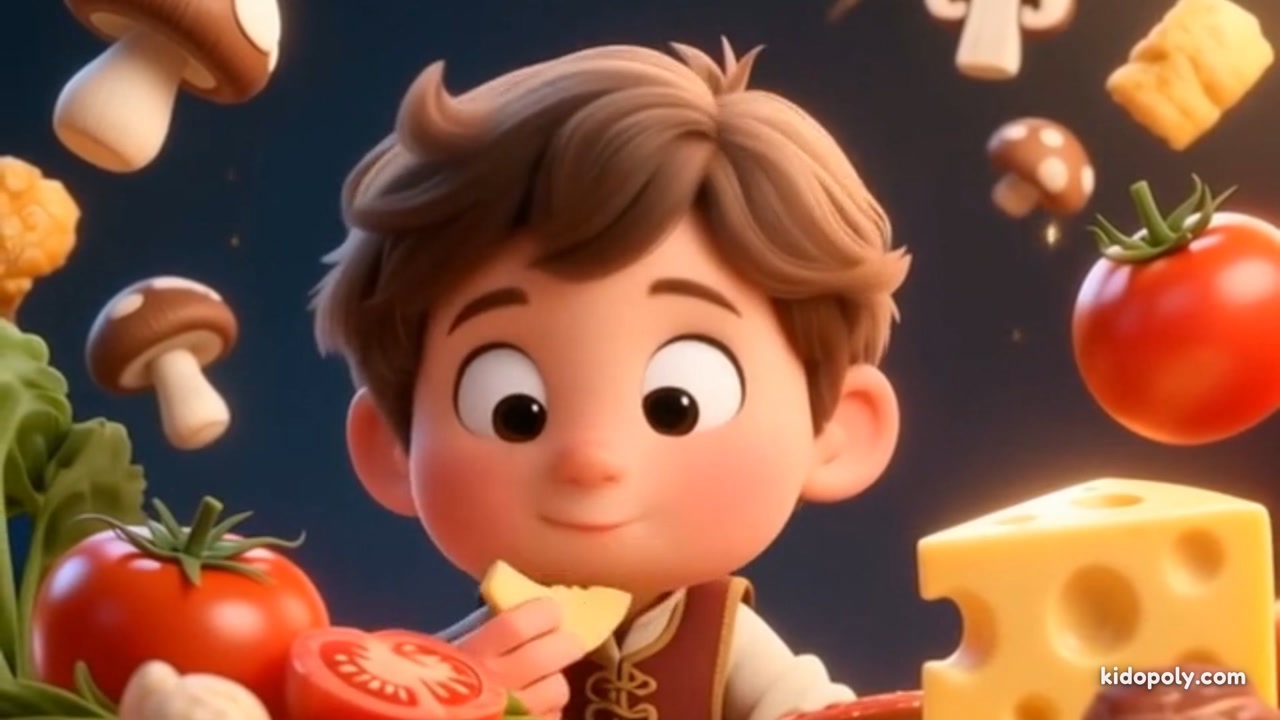
Many of the world's most famous foods wouldn't exist without these helpful microbes. When you eat yogurt, pickles, or certain types of cheese, you are consuming billions of "probiotics." These are the "good" bacteria that live in your digestive system and help you stay healthy. They act like a tiny security team in your tummy, helping you digest your lunch and protecting you from "bad" germs. From the fizzy bubbles in a drink to the tangy zip of a sourdough crust, fermentation is the oldest and coolest food trick in history!