1From Pictures to Symbols
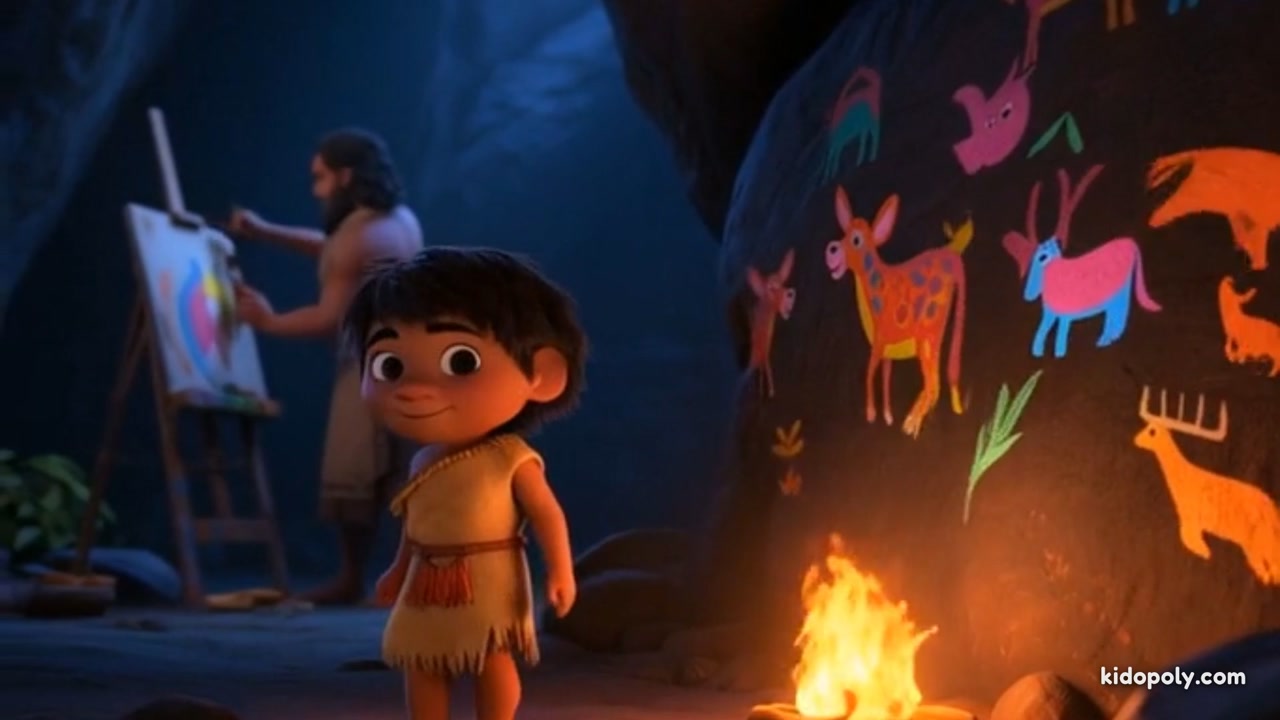
Before there were alphabets like the one we use today, people used their artistic skills to communicate! About 5,000 years ago, early civilizations realized that drawing a simple picture of a sun could represent the word "day" or "light." Over many centuries, these drawings became simpler and faster to draw, eventually turning into symbols. This major jump from drawing pictures of things to using symbols for sounds allowed humans to share complicated ideas, like how they felt or what they dreamed about, without even being in the same room!
2The World’s First Stylus
In ancient Mesopotamia, people developed a writing system called cuneiform. Instead of using pens and paper, they used a sharpened reed called a stylus to press triangular shapes into soft, wet clay. Imagine doing your homework on a heavy brick! Once the clay dried in the sun, it became a permanent record that could last for thousands of years. Archaeologists have found over 2 million of these clay tablets, which tell us everything from ancient shopping lists and receipts to epic stories about heroes and kings.
3The Sacred Carvings of Egypt
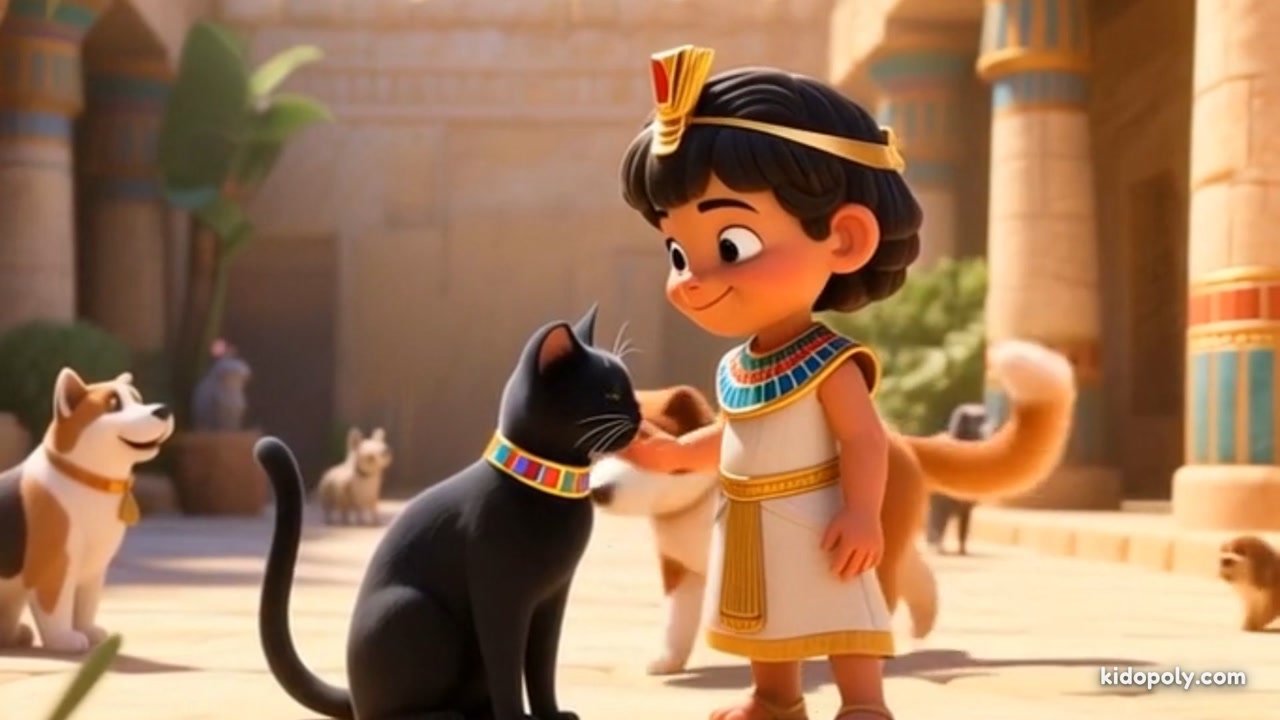
While people in Mesopotamia were pressing clay, the ancient Egyptians were developing their own beautiful system called hieroglyphics. These weren't just everyday notes; the Egyptians called their writing "the words of the gods." They carved these intricate symbols into stone walls of giant temples and painted them inside hidden tombs. Some symbols stood for whole words, while others stood for single letter sounds. It was like a giant, beautiful puzzle that took modern experts a very long time to solve, eventually revealing the secrets of how people lived in the land of the pharaohs.