1A Cloud You Can Touch
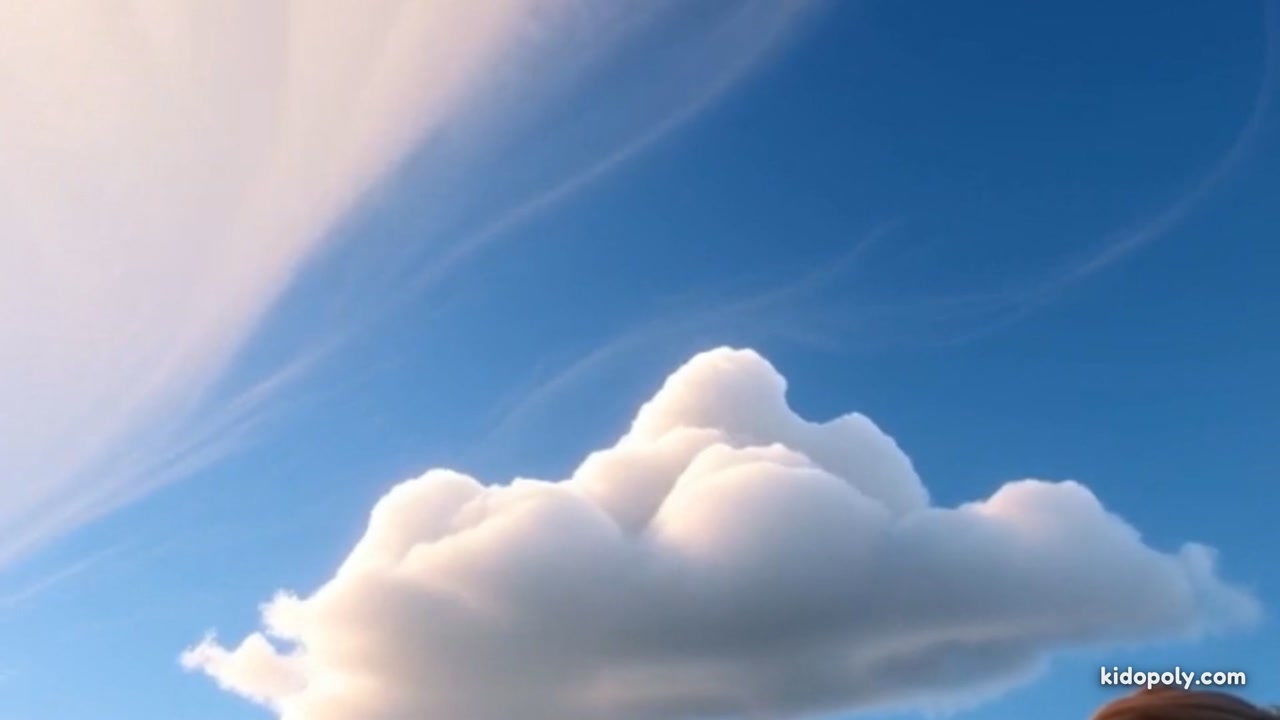
Have you ever stepped outside on a "soupy" morning and felt the damp air on your skin? That is because fog is actually a stratus cloud that decided to visit the ground! Stratus clouds usually hang low in the sky like a big, gray blanket, but when they form right where we walk, we call it fog. It is made of millions of tiny water droplets so small and light that they float in the air instead of falling as rain. When billions of these droplets bunch together, they block the light, making everything look white and mysterious like a giant cotton ball.
2The One Kilometre Rule
Scientists use a specific rule to tell the difference between fog and mist: it all depends on your visibility. Visibility is a word that describes how far you can see clearly. If the air is so thick that you cannot see a landmark—like a house or a tall tree—that is just one kilometre (about 0.6 miles) away, then you are standing in fog! If the air is damp and blurry but you can see further than one kilometre, it is officially called mist. Mist is much thinner because the water droplets are not as crowded, which is why you can see through it much better than a heavy morning fog.
3Drinking from the Air
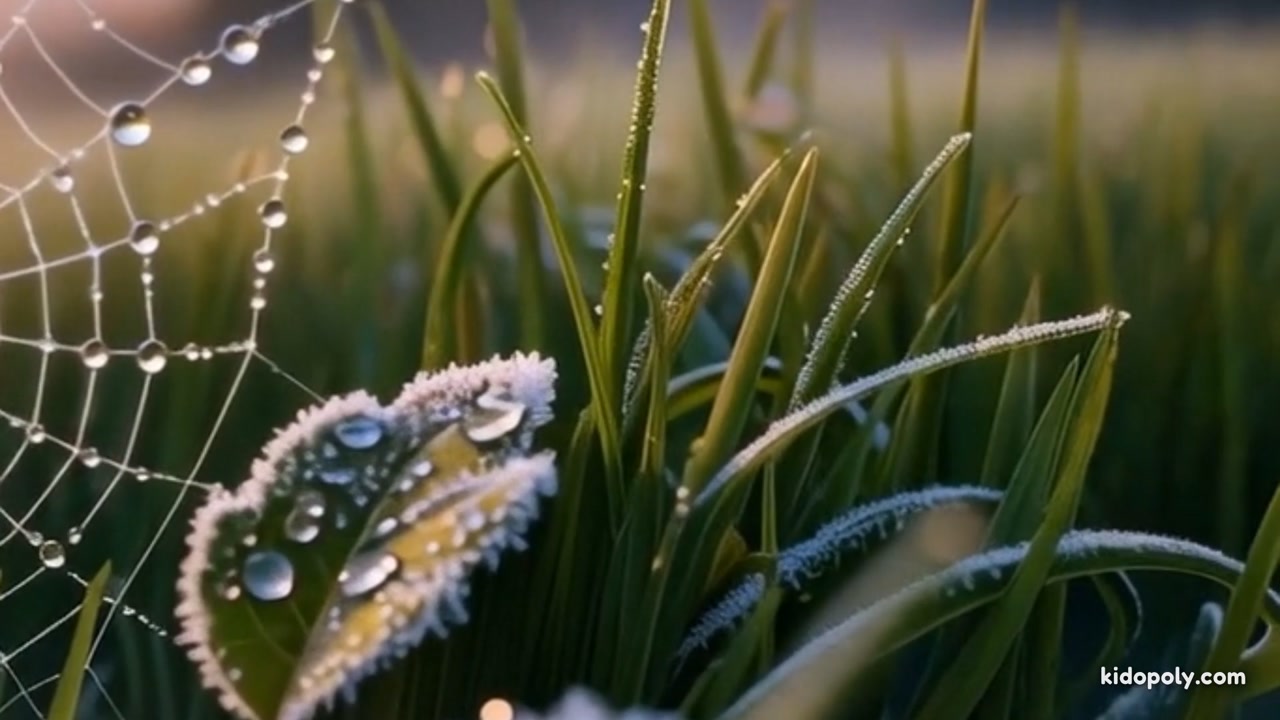
Mist and fog are not just for looking at—they are actually life-savers for some animals in nature! In the Namib Desert, where it almost never rains, a special kind of beetle stands on its head when the mist rolls in from the ocean. The tiny water droplets catch on the beetle's bumpy back and roll down into its mouth for a refreshing drink! This process is called moisture harvesting. So, the next time you see a misty morning, remember that somewhere in the world, a tiny creature might be using that very same cloud to stay alive and hydrated!