Weather 1:00

Hailstone Layers for Kids

1The Wild Ride of an Ice Crystal

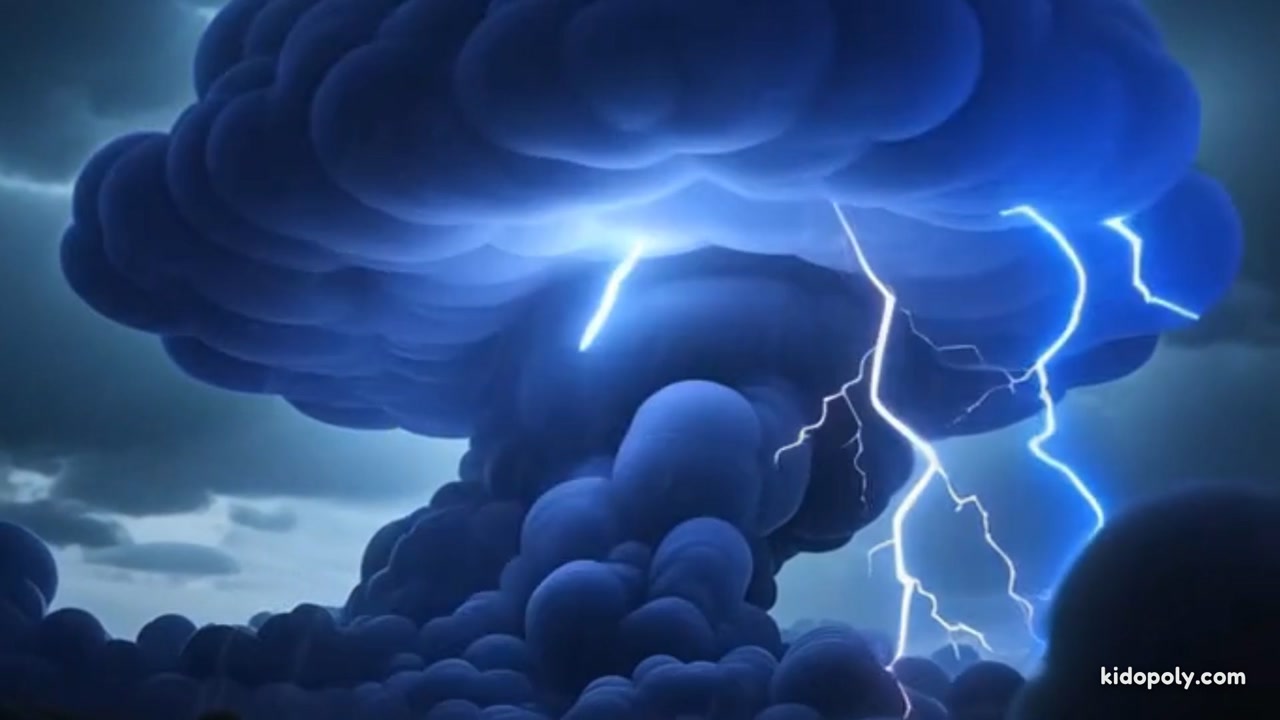
Imagine a tiny drop of water inside a massive, dark thunderstorm cloud. Instead of falling as rain, a powerful wind called an "updraft" blasts it high into the freezing sky. At the top of the cloud, where it is way below freezing, the water turns into a hard ice crystal. This is the start of a hailstone! From here, the ice gets caught in a loop, falling down into wetter parts of the cloud and being pushed back up into the freezing zone over and over again. Each time it makes this trip, it picks up more water and freezes a brand-new layer of ice.

2Decoding the Frozen Rings

If you carefully cut a large hailstone in half, you will see layers that look just like the rings inside a tree trunk. These layers tell a story about the hailstone's journey. Some layers are clear ice, which forms when the hailstone is in a slightly warmer part of the cloud and the water freezes slowly. Other layers look milky or "opaque" because the water froze so fast that it trapped tiny air bubbles inside. By counting these rings, scientists can figure out exactly how many times the hailstone was tossed up and down by the storm's powerful winds!

3Faster Than a Racecar

While most hailstones are tiny like peas, some can grow to be truly massive if the storm is strong enough. The largest hailstone ever recorded in the United States was nearly eight inches wide—about the size of a bowling ball! Because they are so heavy, they fall from the sky incredibly fast, sometimes reaching speeds over 100 miles per hour. This is why it is always important to stay indoors during a hailstorm. Each little ice ball is a souvenir from a high-speed, frozen rollercoaster ride happening miles above your head!
Video Transcript

Introduction

Imagine a tiny ice crystal taking an amazing rollercoaster ride inside a giant thunderstorm! That is how a hailstone grows. It gets tossed up and down through very cold air, collecting new layers of ice each time, until it is heavy enough to fall to the ground. If you slice a hailstone, you can see these incredible layers, just like the rings inside a tree!

Key Facts

Did you know the largest hailstone ever found in the United States was nearly eight inches wide, about the size of a bowling ball? Also, hailstones can fall incredibly fast, sometimes over one hundred miles per hour! And each layer you see inside a hailstone tells you it took another trip up and down inside the powerful thunderstorm cloud.

Think About It

If a hailstone has many clear and opaque layers inside it, what does that tell you about the thunderstorm it came from?

The Answer

Many layers inside a hailstone mean it spent a long time being tossed up and down inside a very powerful thunderstorm! Each layer forms when it gets lifted into different freezing and non-freezing parts of the cloud, adding more ice before it finally becomes too heavy and falls.

Frequently Asked Questions

How do hailstones get so big?

Hailstones grow big when powerful winds called updrafts keep them suspended inside a thunderstorm for a long time. As the ice ball stays in the cloud, it keeps hitting water droplets that freeze onto it, adding more and more layers until it is too heavy for the wind to hold up.

Why do some hailstone layers look white and others look clear?

Clear layers form when the ice freezes slowly, allowing air bubbles to escape. Milky or white layers happen when the water freezes almost instantly in very cold air, trapping tiny bubbles of air inside the ice, which gives it that opaque look.

Is hail the same thing as snow?

No, hail and snow are very different! Snow forms when water vapor turns straight into ice crystals in cold winter weather, while hail forms during powerful thunderstorms, usually when it is warm on the ground but freezing high up in the atmosphere.

How many layers can a hailstone have?

A hailstone can have dozens of layers depending on how long it stayed inside the storm cloud. Each pair of clear and white layers usually represents one full trip up and down through the cloud's freezing and non-freezing zones.

Watch More Videos

Discover fun educational videos about science, history, animals, and more.

Explore All Videos
Audience Debug