1The Wild Ride of an Ice Crystal
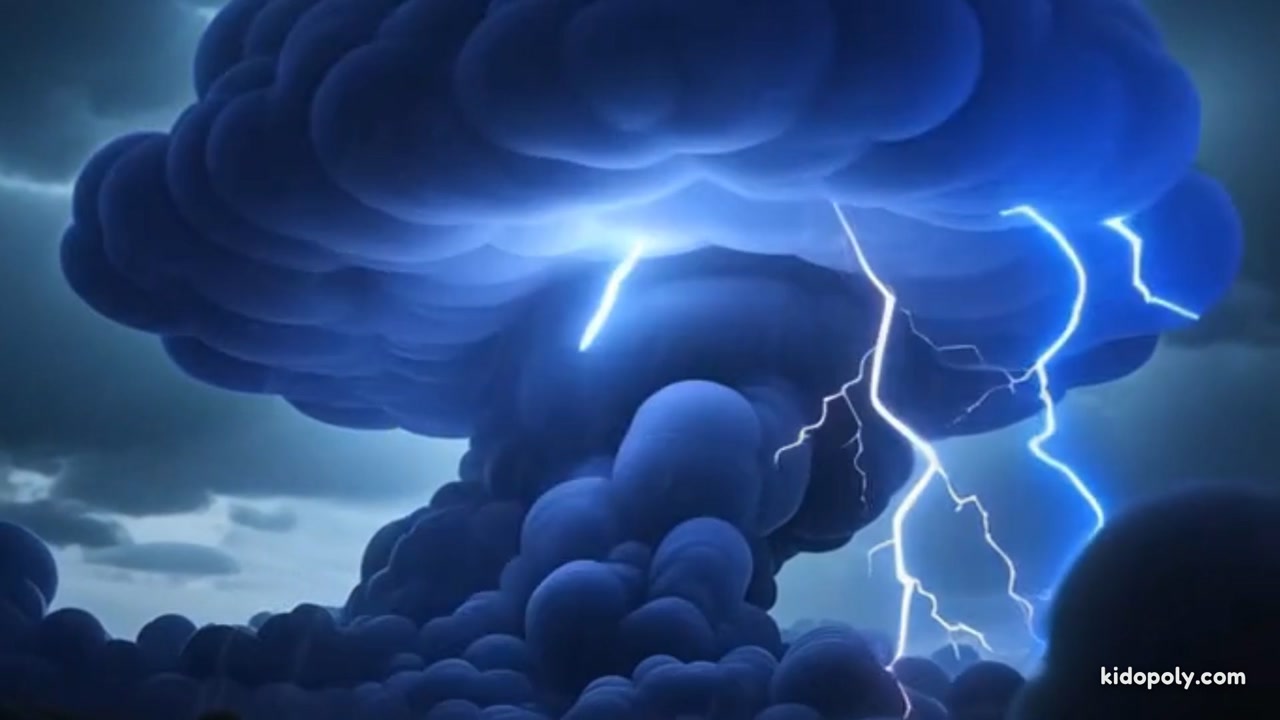
Imagine a tiny drop of water inside a massive, dark thunderstorm cloud. Instead of falling as rain, a powerful wind called an "updraft" blasts it high into the freezing sky. At the top of the cloud, where it is way below freezing, the water turns into a hard ice crystal. This is the start of a hailstone! From here, the ice gets caught in a loop, falling down into wetter parts of the cloud and being pushed back up into the freezing zone over and over again. Each time it makes this trip, it picks up more water and freezes a brand-new layer of ice.
2Decoding the Frozen Rings
If you carefully cut a large hailstone in half, you will see layers that look just like the rings inside a tree trunk. These layers tell a story about the hailstone's journey. Some layers are clear ice, which forms when the hailstone is in a slightly warmer part of the cloud and the water freezes slowly. Other layers look milky or "opaque" because the water froze so fast that it trapped tiny air bubbles inside. By counting these rings, scientists can figure out exactly how many times the hailstone was tossed up and down by the storm's powerful winds!
3Faster Than a Racecar
While most hailstones are tiny like peas, some can grow to be truly massive if the storm is strong enough. The largest hailstone ever recorded in the United States was nearly eight inches wide—about the size of a bowling ball! Because they are so heavy, they fall from the sky incredibly fast, sometimes reaching speeds over 100 miles per hour. This is why it is always important to stay indoors during a hailstorm. Each little ice ball is a souvenir from a high-speed, frozen rollercoaster ride happening miles above your head!