Ancient Civilizations 1:00

Harappan Drainage Smart for Kids

1The Master Builders of the Indus Valley

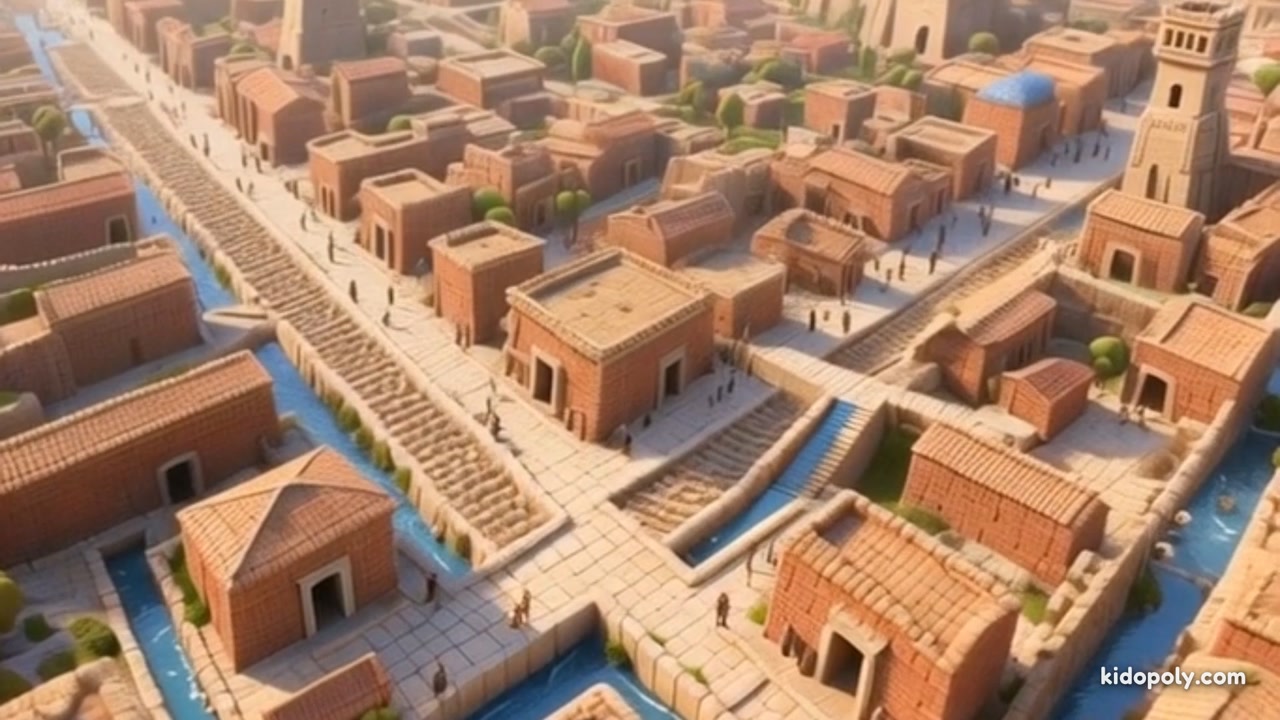
Imagine living in a city more than 4,000 years ago that was just as organized as a modern neighborhood! The Harappan people of the Indus Valley were incredible engineers who built their cities using a perfect grid system. This meant all the streets were straight and crossed each other at right angles, creating neat blocks for houses. Unlike many other ancient people who built houses wherever they liked, the Harappans followed a master plan that included something revolutionary: a way to get rid of dirty water without ever touching it!

2Secrets Under the Streets

What made these cities truly "smart" was what lay hidden beneath the ground. Almost every house in a Harappan city had its own private bathroom with floors made of waterproof, baked bricks. Dirty water flowed out of the house into small drains that connected to much larger sewer lines running under the main streets. These main drains were covered with flat stones or bricks to keep the smell away and the city beautiful. They even engineered the drains with a slight slope so that gravity would naturally pull the waste out of the city and toward the fields.

3Ancient Health and Hygiene

The Harappans were among the first people in history to understand that staying clean helps everyone stay healthy. To keep their amazing drainage system working, they built large brick manholes at regular intervals. This allowed workers to climb down and clean out any blockages, just like city workers do today! Because of this careful planning, Harappan cities were much healthier than most cities that came thousands of years later. Their smart drainage systems prove that even in ancient times, human beings were finding high-tech solutions to keep their communities thriving.

Video Transcript

Introduction

Imagine a city with clean streets and fresh water, thousands of years ago! The ancient Harappan cities in the Indus Valley had amazing drainage systems. Every house had a bathroom, and wastewater flowed away through covered drains under the streets, keeping the city much cleaner than others of its time.

Key Facts

Did you know that Harappan cities were built with a sophisticated plan, often featuring straight streets and a grid layout? Their drainage systems were so advanced that they even had manholes for cleaning and inspection, much like modern sewer systems! This careful planning helped keep everyone healthy.

Think About It

Why was having good drainage and clean water so important for ancient Harappan cities?

The Answer

Good drainage and clean water are essential for keeping people healthy. By efficiently removing waste and providing fresh water, the Harappans prevented the spread of diseases. This made their cities much healthier and more comfortable places to live for thousands of people.

Frequently Asked Questions

How did Harappan drains move water without electricity?

The Harappan engineers used gravity to move water! They built their drains with a very gentle downward slope, which allowed wastewater to flow naturally from the houses out to the main sewer lines and away from the city.

Did ancient Harappan houses have real bathrooms?

Yes, they did! Archaeologists have found that almost every home had a dedicated bathroom area with a sloping floor made of tight-fitting bricks. These bathrooms were connected to the street drains by terracotta pipes.

Why did the Harappans use manholes in their streets?

They built manholes so that the drainage system could be inspected and cleaned. By leaving removable covers at certain spots, they could clear out sand or trash that might clog the pipes, ensuring the city stayed clean and flood-free.

What were Harappan drains made of?

Most of the drains were built using standard-sized baked bricks and mortar. To make them extra sturdy and waterproof, they sometimes used a special material called gypsum or bitumen to seal the joints and prevent leaks.

Watch More Videos

Discover fun educational videos about science, history, animals, and more.

Explore All Videos
Audience Debug