1Painting in the Deep Dark
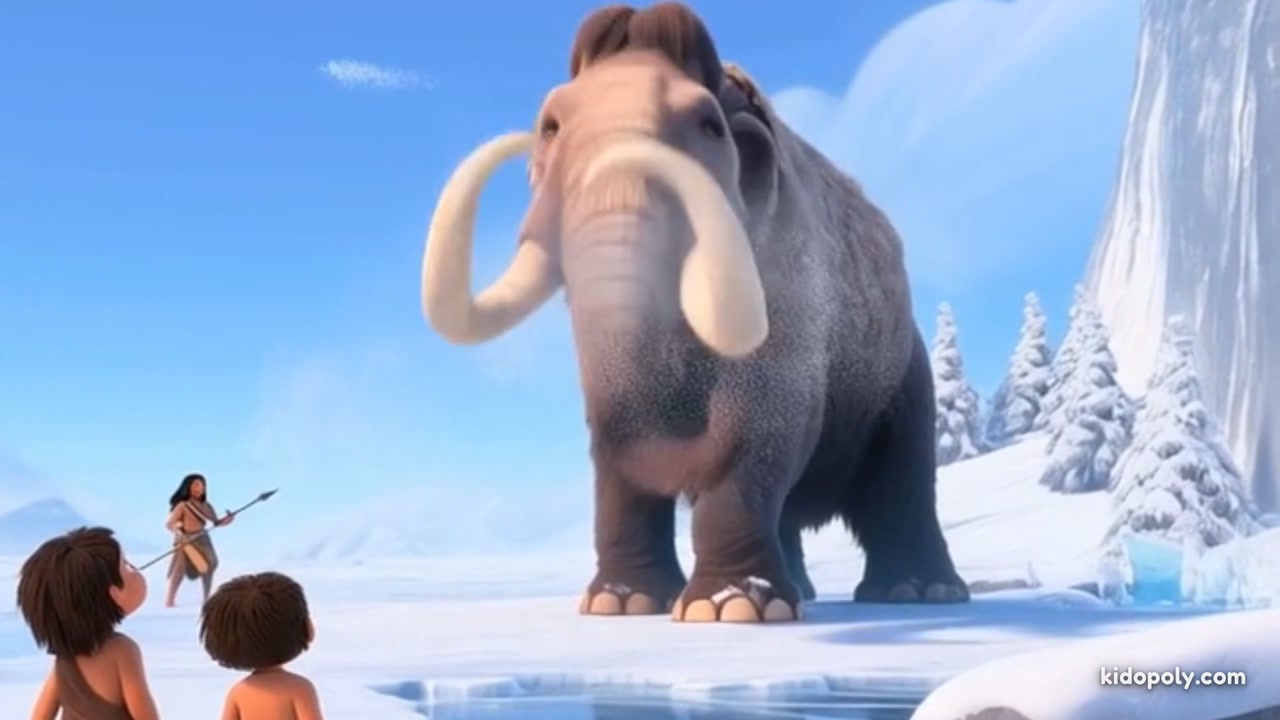
Imagine walking miles into a pitch-black cave with only a flickering torch to guide you. This is exactly what the very first artists did over 30,000 years ago! During the Ice Age, early humans used the walls of deep caverns as their canvases. They didn't just paint simple doodles; they created massive, realistic portraits of the animals they saw every day. From powerful bison with bulging muscles to woolly mammoths with long, curving tusks, these galleries show us that people have always loved to tell stories through art. Because these paintings are tucked away in hidden chambers, they have been protected from wind and rain for thousands of years.
2The Secret Prehistoric Paint Recipe
Since there were no craft stores in the Stone Age, these clever artists had to be scientists too! They looked to nature to find their colors. To get vibrant reds and earthy yellows, they ground up minerals like iron-rich ochre. For black, they used charcoal from their fires. But powder won't stay on a wall by itself, so they created a secret "glue." They mixed their colorful powders with water, plant juices, or even animal fat and spit. To apply the paint, they used their fingers, pads of moss, or brushes made from animal hair. Some artists even blew paint through hollow bird bones to create a cool spray-paint effect around their hands!
3Why Did Early Humans Create Art?
Historians believe these cave paintings were much more than just pretty pictures. Because many of these artworks are found in hard-to-reach places where people didn't actually live, they might have been part of special ceremonies. Some think the paintings were used to wish for good luck before a big hunt or to thank the spirits of the animals. Others believe the caves were like ancient classrooms where elders taught children about the creatures of the world. By looking at these 15,000-year-old masterpieces today, we get a rare glimpse into the minds, beliefs, and incredible talents of our earliest ancestors.