Ancient Civilizations 1:00

Mystery Cities for Kids

1The World’s First Smart Cities

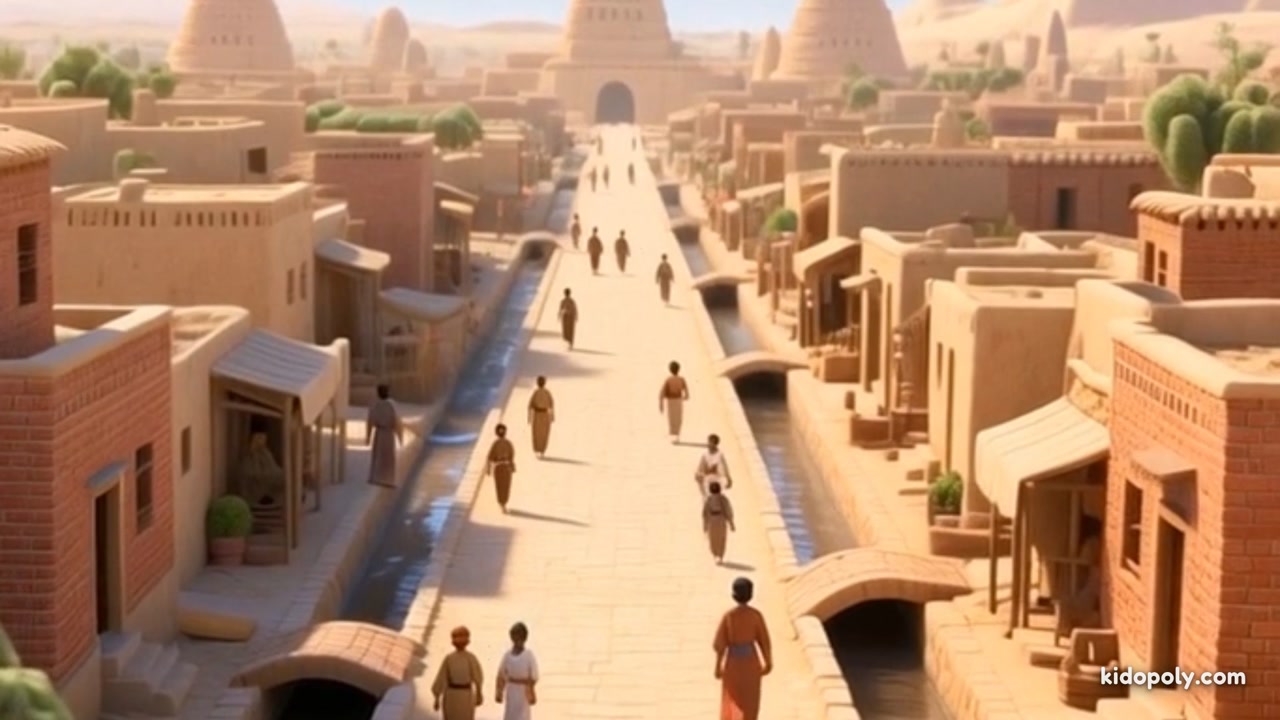
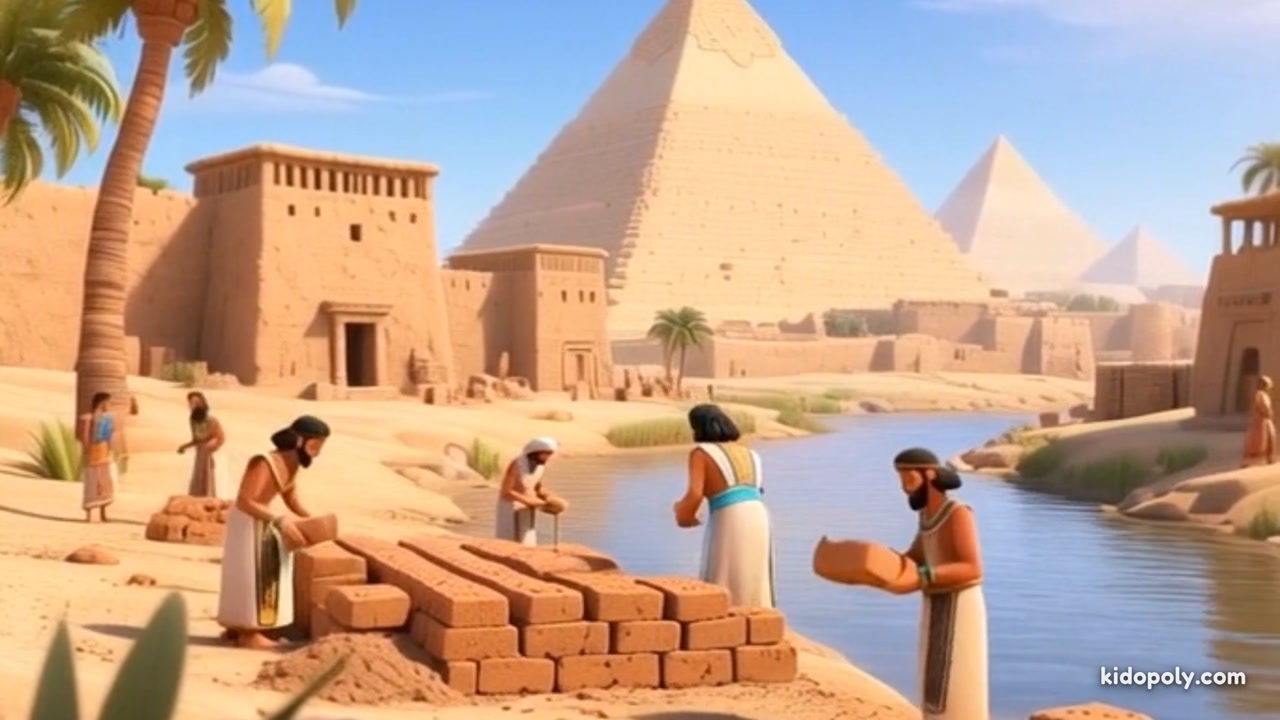
Around 4,500 years ago, while the ancient Egyptians were busy building the pyramids, a group of incredible engineers in the Indus Valley were building the world’s first "planned" cities. Mohenjo-Daro and Harappa were home to over 40,000 people each! Unlike other ancient towns that grew in messy tangles, these were laid out in perfect blocks, almost like a giant LEGO city. The streets were perfectly straight, and the houses were made of strong, baked clay bricks that were all exactly the same size, no matter which city you visited. This shows that the people were master builders who used math to make everything perfect.

2High-Tech Ancient Plumbing

One of the most mind-blowing things about these mystery cities was their plumbing. Long before modern bathrooms, these ancient citizens had indoor toilets! They built a brilliant drainage system where waste was carried away from homes through covered sewers made of brick. They even had "rubbish chutes" to keep their neighborhoods clean. It was probably the cleanest place on Earth at the time, showing that these people really cared about being healthy and organized. They even built a massive "Great Bath" in Mohenjo-Daro, which was like a giant public swimming pool used for special ceremonies.

3The Secret of the Missing Kings

The biggest secret of all is that archaeologists cannot find a single palace, golden throne, or giant statue of a king. In almost every other ancient empire, like Egypt or Mesopotamia, there was a powerful leader in charge of everyone. In the Indus Valley, it seems like everyone worked together as one big team. Instead of one ruler, experts think groups of merchants or wise elders made the decisions. This "mystery of the missing kings" makes the Indus Valley one of the coolest puzzles in history, proving that people can achieve amazing things through cooperation and community rules.
Video Transcript

Introduction

Long ago, in a place called the Indus Valley, people built amazing cities like Mohenjo-Daro and Harappa. What makes them so mysterious? These cities were incredibly planned, with straight streets and clever drains, but archaeologists have not found giant palaces or royal tombs, suggesting they might have been run very differently from other ancient empires.

Key Facts

Did you know that the bricks used in these cities were almost exactly the same size, no matter where they were found? This shows incredible planning and skill. Also, most houses had their own bathrooms connected to a brilliant city-wide drainage system, which was very advanced for its time. Unlike other ancient civilisations, there is little evidence of a single powerful king or queen ruling these vast cities, which is a big puzzle!

Think About It

How do you think such a huge and organised civilisation could exist without a powerful king or queen telling everyone what to do?

The Answer

Archaeologists are still not entirely sure! One idea is that the people had strong community rules or a shared understanding of how to live and build together. Perhaps instead of one ruler, decisions were made by groups of wise people or elders, ensuring everyone cooperated to keep their cities clean and orderly. It shows how people can achieve amazing things through teamwork.

Frequently Asked Questions

Why are they called "Mystery Cities"?

They are called mystery cities because we still cannot read their written language, which looks like tiny pictures on square stone seals. Because we can't read their records, we don't know the names of their leaders or exactly why they eventually left their beautiful homes.

How old are the cities of the Indus Valley?

These incredible cities were built around 4,500 years ago, which is roughly the same time the Great Pyramid of Giza was being built in Egypt. They thrived for over 600 years as some of the most advanced places to live in the ancient world.

What happened to the people who lived there?

This is one of history's biggest cold cases! Scientists think that the climate might have changed, causing the great rivers to dry up or flood too often, making it hard to grow food. Eventually, the citizens likely moved away to find better land, leaving their cities to be buried by dust and sand for thousands of years.

Did kids in the Indus Valley have toys?

Yes, they definitely did! Archaeologists have found small clay carts, whistles shaped like birds, and even tiny toy monkeys that could slide down a string. It shows that even thousands of years ago, children loved to play and use their imaginations just like you do today.

Watch More Videos

Discover fun educational videos about science, history, animals, and more.

Explore All Videos
Audience Debug