1Underground Cities and Tunnels
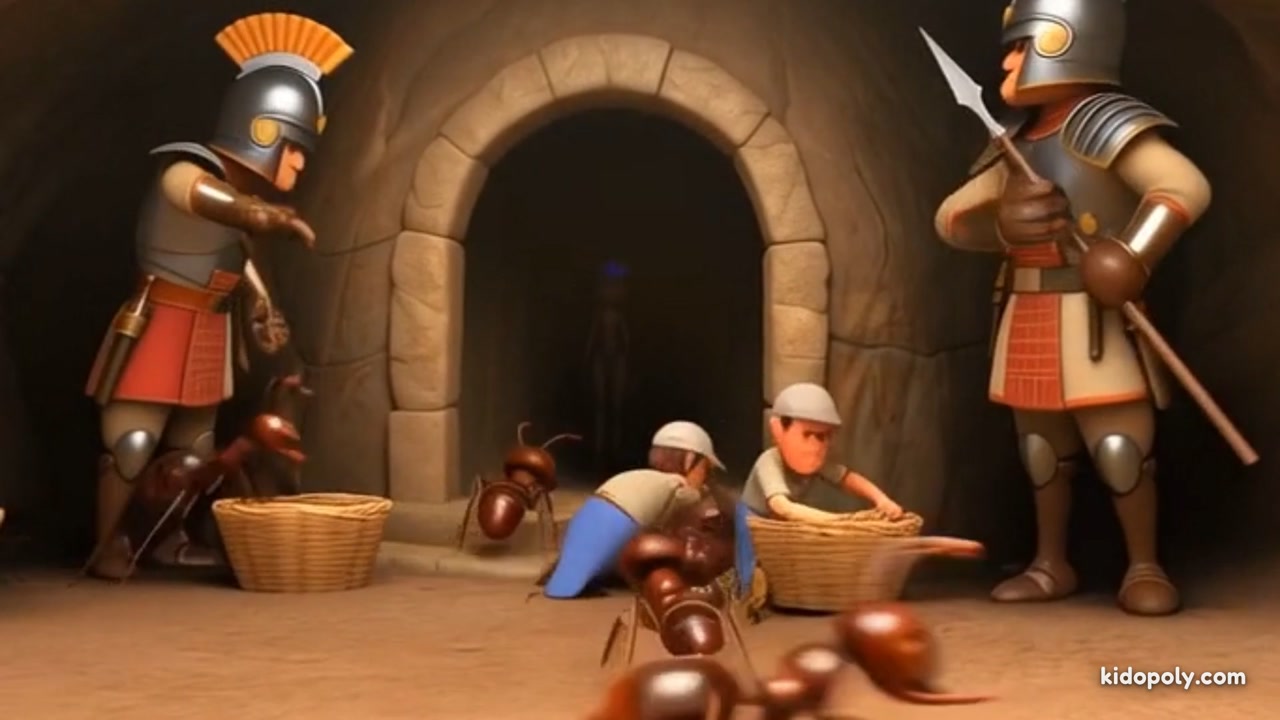
Did you know that some ant colonies are like giant underground cities? While we see a small hill on the surface, beneath the soil is a massive network of tunnels and rooms. These insects are so organized that they build separate chambers for different purposes, such as nurseries for baby ants, storage rooms for food, and even "trash rooms" to keep the colony clean! Some super-colonies can stretch for thousands of miles, proving that even the smallest creatures can create the biggest neighborhoods on Earth.
2High-Tech Termite Skyscrapers
Termites are the ultimate engineers of the insect world. They build towering mounds that can reach over 20 feet high—that’s taller than a two-story house! Because it gets very hot in the savanna, these "skyscrapers" have a built-in ventilation system. By building a series of chimneys and vents, termites allow hot air to rise and escape while drawing cool air in at the bottom. This keeps the internal temperature steady, which is essential for growing the fungus they eat. It is like having central air conditioning without needing any electricity!
3Mobile Homes and Silk Stitches
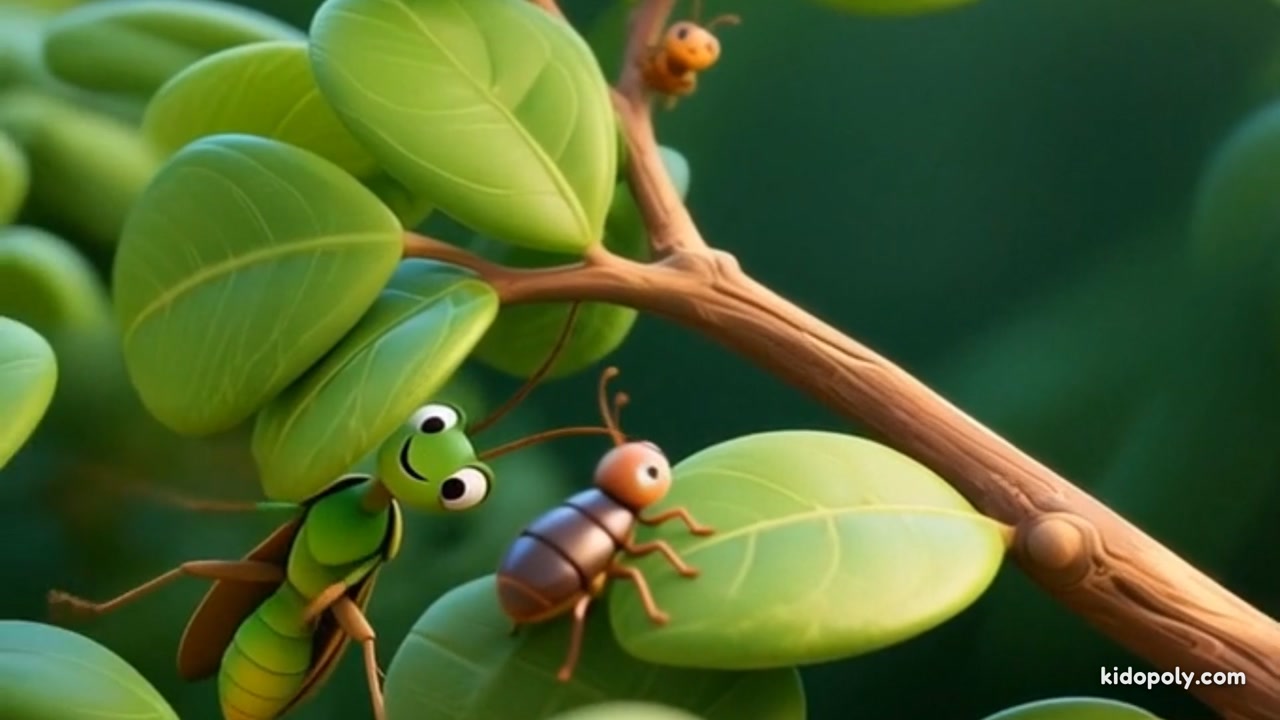
In the water, the caddisfly larva is a master of "upcycling." These tiny creatures spin silk to glue together bits of sand, pebbles, and twigs to make a protective tube. This tube acts like a mobile home and a suit of armor, keeping them safe from hungry fish! Meanwhile, in the trees, weaver ants use their own larvae as "glue sticks." They gently squeeze the larvae to produce silk, which they use to sew leaves together into strong, waterproof nests. These insects show us that with enough teamwork and creativity, you can build a home out of almost anything.