Insects 1:00

Wing Wonders for Kids

1Nature’s Tiny Masterpieces

Insect wings are some of the most complex structures in the animal kingdom! While we mostly notice colorful butterflies, other insects have wings that look like stained glass windows or even dried leaves. Dragonflies, for example, have two sets of thin, veined wings that allow them to hover and fly backwards like tiny helicopters. These wings are incredibly strong yet light, made of a material called chitin. For many bugs, their wings act as a cloak of invisibility; the "Dead Leaf Butterfly" has wings that look exactly like a brown, crunchy leaf when closed, keeping it safe from hungry birds.

2The Secret of Structural Color

Have you ever touched a butterfly wing and seen "dust" on your fingers? That dust is actually thousands of tiny, overlapping scales! Most of the colors we see in nature come from pigments, which are natural dyes. However, the most brilliant, metallic blues and shimmering greens are created by "structural color." Instead of using paint, the wing’s surface is shaped into microscopic ridges and holes that trap and bounce light in special ways. It is exactly like the way a CD or a soap bubble changes color when you tilt it in the sun. This means the color never fades, helping insects signal to their friends from far away.

3Stealth Mode and Super Speed

Wings aren't just for show—they are high-tech tools for survival. Some moths have evolved "furry" wings covered in specialized scales that work like a stealth cloak. When a bat sends out sound waves to find a snack, the moth’s fuzzy wings absorb the sound instead of bouncing it back, making the moth invisible to the bat's ears! Other insects use a "flash" defense, keeping bright colors hidden under dull top wings, then suddenly snapping them open to startle a predator. With over 160,000 species of moths and butterflies alone, there is always a new wing wonder to discover in your own backyard!
Video Transcript

Introduction

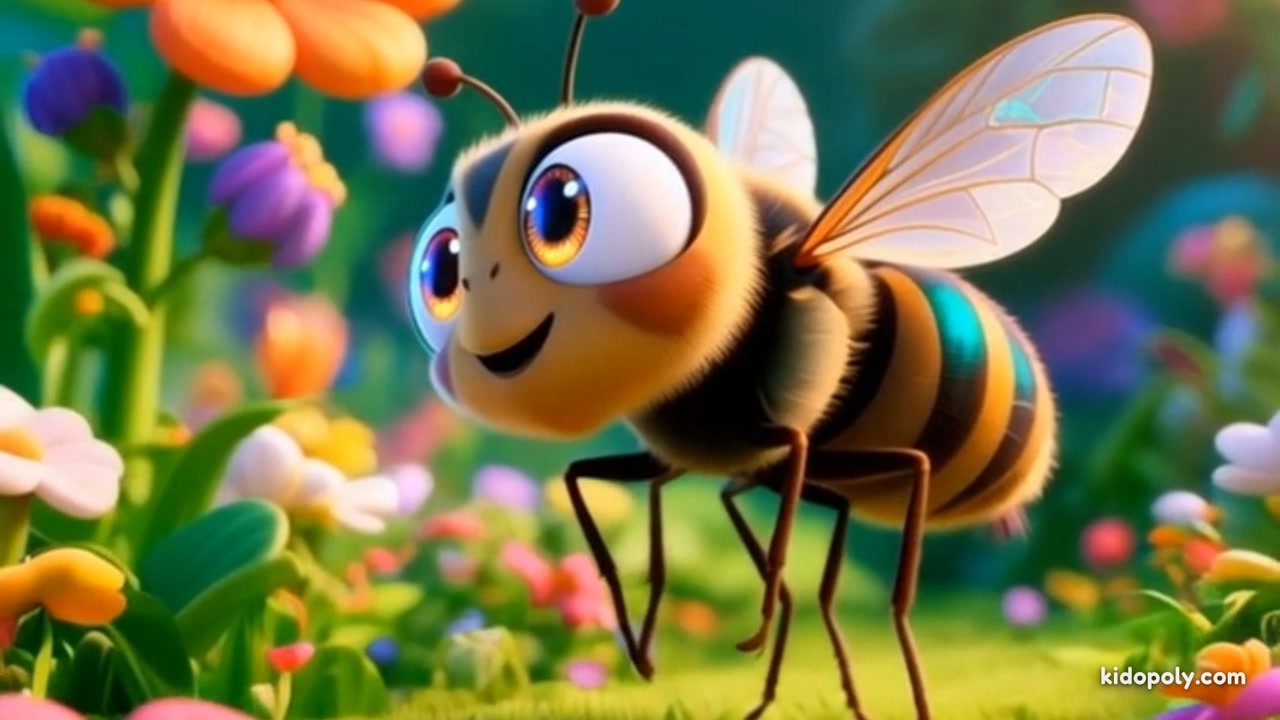
Look closely at an insect's wings, and you will discover a world of wonder! More than just for flying, wings can be covered in amazing patterns and colours, tiny hairs, or even look like clear glass. These incredible designs help insects hide, find friends, or even scare away predators with a sudden flash of colour.

Key Facts

Did you know that a butterfly's beautiful wing colours come from tiny, overlapping scales, not paint? Some colours are made by pigments, while others, like shimmering blues, are created by the way light bounces off the scales' structure. Certain moths have furry wings to help them fly quietly and absorb radar from bats, making them harder to find!

Think About It

How do insects create such brilliant and sparkling colours on their wings without using any paint?

The Answer

Insects create amazing colours in two main ways. Some use pigments, which are like tiny bits of natural colour in their scales. Other colours, like the shimmery, iridescent blues and greens, are called 'structural colours'. These happen when light hits the tiny, specially shaped structures on their wings and bounces off in a way that makes different colours appear, just like a soap bubble or a rainbow.

Frequently Asked Questions

Why do butterflies have scales on their wings?

These tiny scales protect the wings, help regulate the insect's body temperature, and create the beautiful patterns we see. They also make the wings waterproof, helping raindrops slide right off so the butterfly doesn't get too heavy to fly!

Can an insect's wings grow back if they get torn?

Unfortunately, most adult insects cannot regrow or repair their wings because the wings are not made of living cells. While they can often still fly with small chips or tears, they must be very careful to protect their wings for their entire adult lives.

How fast can an insect flap its wings?

It varies a lot! While a large butterfly might flap its wings 5 to 12 times per second, a tiny midge can flap its wings over 1,000 times per second. This incredibly fast vibration is actually what creates the 'buzzing' sound you hear from bees and flies.

Why are some insect wings completely clear?

Clear wings, like those on dragonflies or wasps, are often 'naked' wings without scales. This makes them very lightweight and much harder for predators to spot while the insect is zooming through the air at high speeds.

Watch More Videos

Discover fun educational videos about science, history, animals, and more.

Explore All Videos
Audience Debug