Countries 1:00

Language Tapestry for Kids

1A Symphony of Many Voices

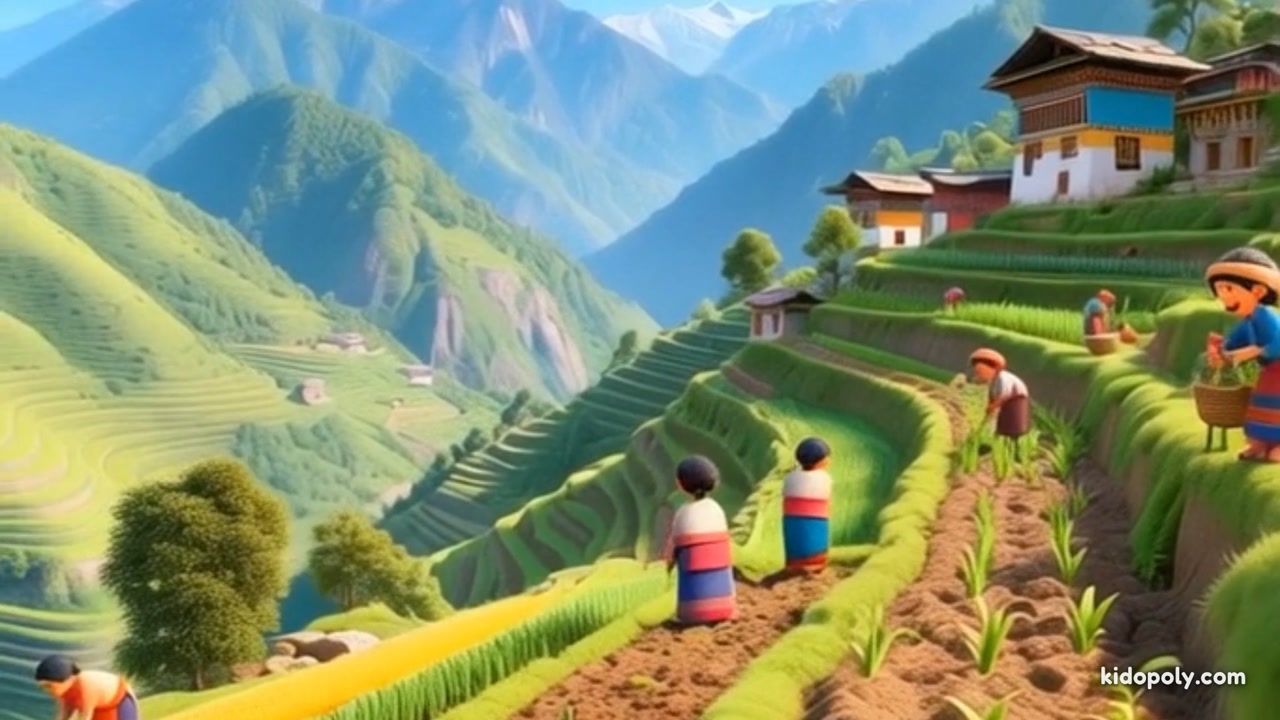
When we think of a country, we often imagine everyone speaking the same way, but many nations are actually like giant libraries filled with thousands of different stories! In Papua New Guinea, there are over 800 distinct languages spoken across its islands and highlands. This means that if you traveled just a few miles down a river or over a mountain, you might find a village where the words for "sun" or "friend" are completely different from the ones you just heard. This incredible variety is called linguistic diversity, and it makes these places some of the most culturally colorful spots on our planet.

2Building Bridges with Words

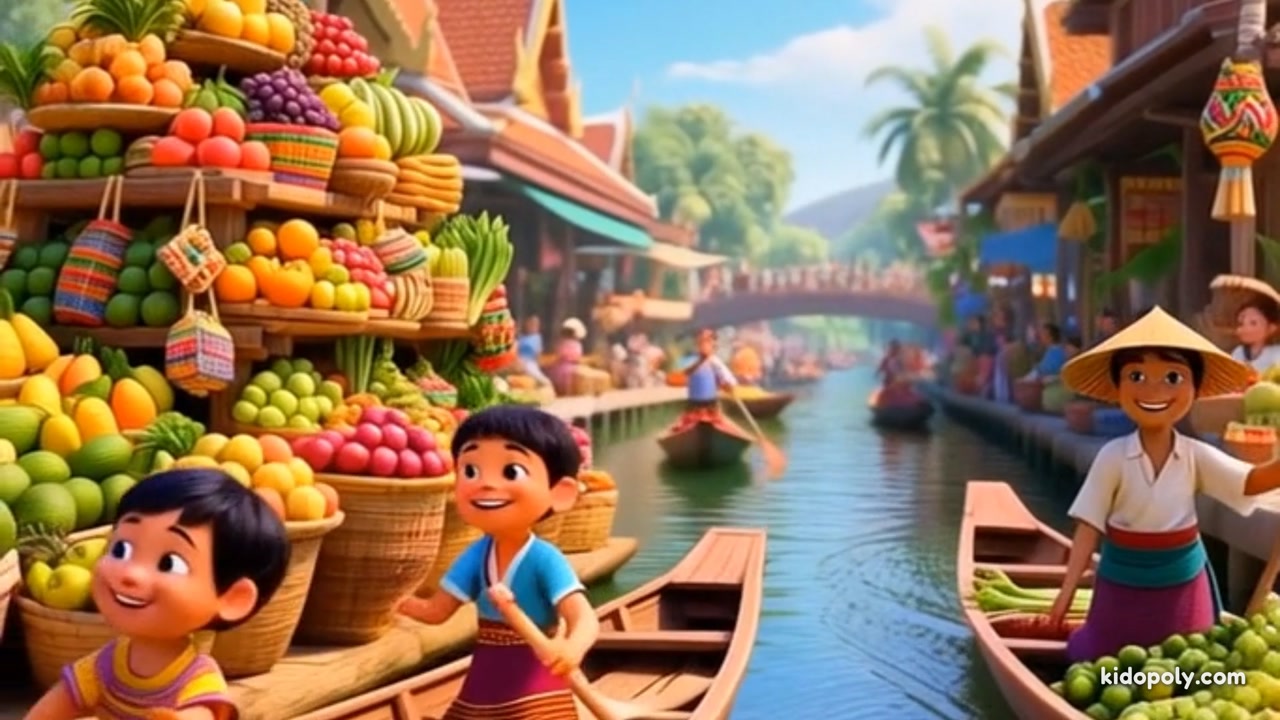
You might wonder how people buy groceries or go to school if everyone speaks a different tongue. To solve this, people often use a "bridge language," also known as a lingua franca. In India, while there are 22 official languages—including Hindi, Bengali, and Punjabi—English is frequently used as a common way for people from different states to communicate. Some communities even develop "pidgin" languages. These are clever mash-ups that take bits and pieces of different vocabularies to create a brand-new way of talking that everyone can understand. It is like building a tower using LEGO bricks from five different sets!

3Multilingual Superpowers

Growing up in a "Language Tapestry" country is like having a brain superpower. Many children in these regions are multilingual, meaning they can switch between three, four, or even five languages as easily as you change your shoes! Scientists have found that learning many languages helps the brain become more flexible and better at solving complex puzzles. By learning a few words of a neighbor's language, people show respect and kindness. It proves that even when our sounds are different, our human desire to connect, share stories, and make friends is exactly the same everywhere.
Video Transcript

Introduction

Imagine a country where hundreds of different languages are spoken! In places like Papua New Guinea or India, you might hear a new language every time you visit a different village or city. It is like a beautiful tapestry woven with many different sounds and words. How do people understand each other?

Key Facts

Did you know Papua New Guinea has over 800 known languages, more than any other country in the world? In India, there are more than 20 official languages and hundreds more spoken regularly! Often, people learn several languages to communicate with their neighbours, friends, and family.

Think About It

If everyone in your country spoke a different language, how would you find a way to talk to each other?

The Answer

In countries with many languages, people often use a common language for business or schooling, like English or a widely spoken local language. They might also use 'pidgin' languages, which are mixes of different languages, or simply learn a few words in many different tongues! It shows how clever humans are at communicating.

Frequently Asked Questions

Which country has the most languages in the world?

Papua New Guinea holds the world record with over 800 known languages. Even though the country isn't very large, its rugged mountains and thick jungles kept different groups of people separated for thousands of years, allowing unique languages to grow in every valley.

What is a 'bridge language'?

A bridge language, or lingua franca, is a common language that people choose to use so they can understand each other even if their home languages are different. For example, many people around the world use English or Swahili as a bridge language for business, science, and travel.

How many languages are spoken in India?

India has 22 official languages, but that is just the beginning! There are actually several hundred languages and thousands of dialects spoken across the country, with many people speaking at least two or three of them fluently.

Are new languages still being discovered?

Yes, linguists are still finding 'hidden' languages in remote areas of the world today. Because some languages are only spoken by a few hundred people in small villages, researchers work hard to record them so the unique words and histories are never forgotten.

Watch More Videos

Discover fun educational videos about science, history, animals, and more.

Explore All Videos
Audience Debug