1Inside the Electric Storm
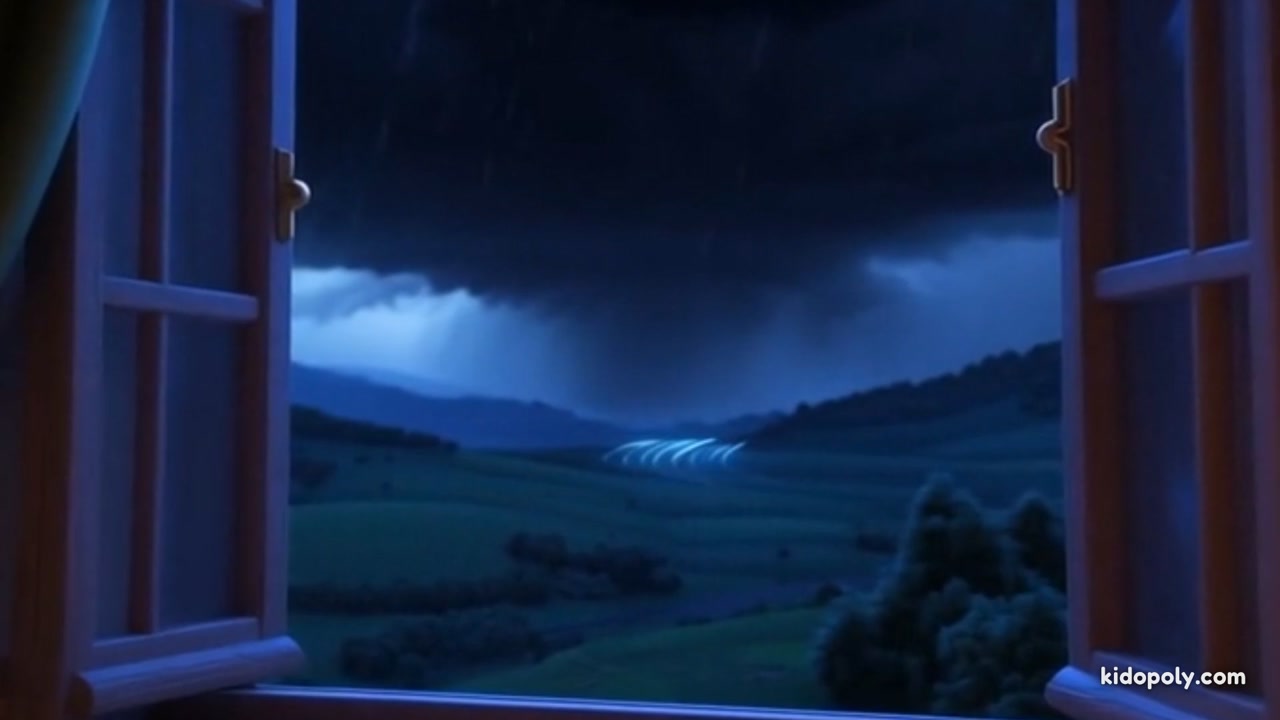
Have you ever rubbed your feet on a carpet and then felt a tiny 'zap' when you touched a doorknob? That is static electricity, and lightning is essentially a giant version of that same spark! Inside a dark cumulonimbus storm cloud, millions of tiny bits of ice and water droplets are constantly swirling around. When these particles bump and crash into each other, they swap electrical charges. The lighter ice crystals become positively charged and float to the top of the cloud, while the heavier slush and ice pellets become negatively charged and sink to the bottom. This creates a huge electrical tension between the cloud and the ground below, acting like a giant natural battery waiting to be released.
2The Upward Journey of a Bolt
Most people think that a lightning bolt simply shoots down from the sky, but the process is actually much more complex. It begins with an invisible 'step leader' that zig-zags down from the cloud looking for the easiest path to the ground. When it gets close enough, it meets a 'streamer' of positive charge rising up from objects like trees, buildings, or even the ground itself. When they connect, a massive surge of electricity called the 'return stroke' shoots back up into the cloud at about 200 million miles per hour! This is the bright flash we actually see. Even though the bolt looks thick, it is usually only about the width of a thumb—roughly 5 centimeters across.
3Hotter Than the Sun
A single bolt of lightning is incredibly powerful, packing enough energy to light up a whole city for a fraction of a second. It is also one of the hottest things in nature, reaching temperatures of 30,000 degrees Celsius (54,000 degrees Fahrenheit). That is five times hotter than the surface of the Sun! This intense heat causes the air around the lightning to expand so fast that it creates a sonic boom, which is the rumbling thunder you hear shortly after the flash. Because light travels 186,000 miles per second but sound only travels about 1,100 feet per second, the delay between the flash and the boom tells you exactly how far away the storm is moving.