1How Does the Magic Happen?
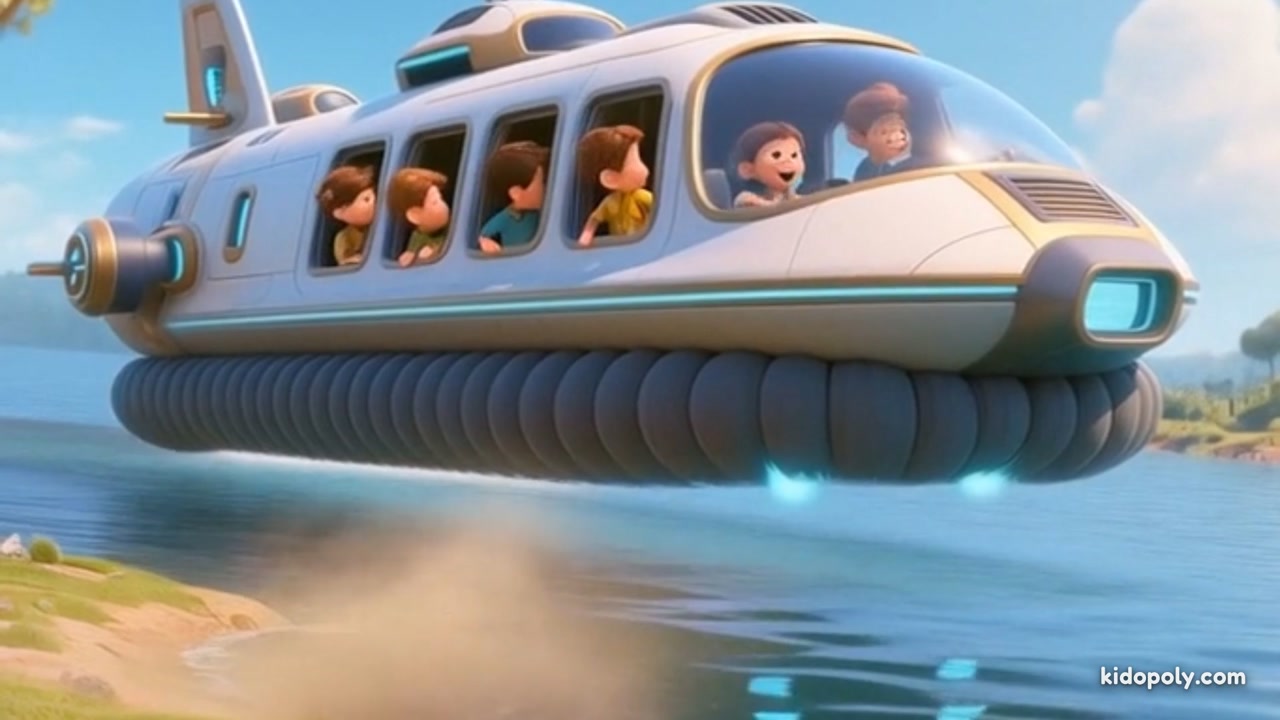
Maglev is short for "magnetic levitation," and it sounds like something from a science fiction movie! While normal trains have heavy wheels that roll along metal tracks, maglev trains don't touch the ground at all. Instead, they use two sets of super-strong magnets. One set is used to repel the train and push it up, making it hover about 1 to 10 centimeters above the guideway. The other set of magnets uses shifting magnetic fields to pull the train forward from the front and push it from behind. Because the train is floating, there is no "rolling resistance," which is why it feels like you are riding on a giant, high-tech cloud!
2Built for Super Speed
Without wheels rubbing against tracks, there is no friction to slow the train down. This allows maglev trains to reach record-breaking speeds that would make a race car jealous. In Japan, the L0 Series maglev reached a staggering 603 kilometers per hour (375 miles per hour)! At those speeds, you could travel across entire countries in just a couple of hours. Even though they go incredibly fast, they are much safer than traditional trains because the train's structure actually wraps around the guideway, making it almost impossible for it to come off the track.
3A Green and Quiet Way to Travel
Maglev trains aren't just fast; they are also helpful to the environment. Because they run entirely on electricity and don't have engines burning fuel, they produce zero emissions while they are moving. They also use less energy than traditional trains because they don't have to fight against friction. Another amazing benefit is how quiet they are. On a regular train, you hear a loud "clack-clack" sound from the wheels hitting the track joints. A maglev train glides through the air so smoothly that the only sound you usually hear is the wind rushing past the windows!