Ocean 1:00

Ocean's Falling Food for Kids

1A Shimmering Underwater Shower

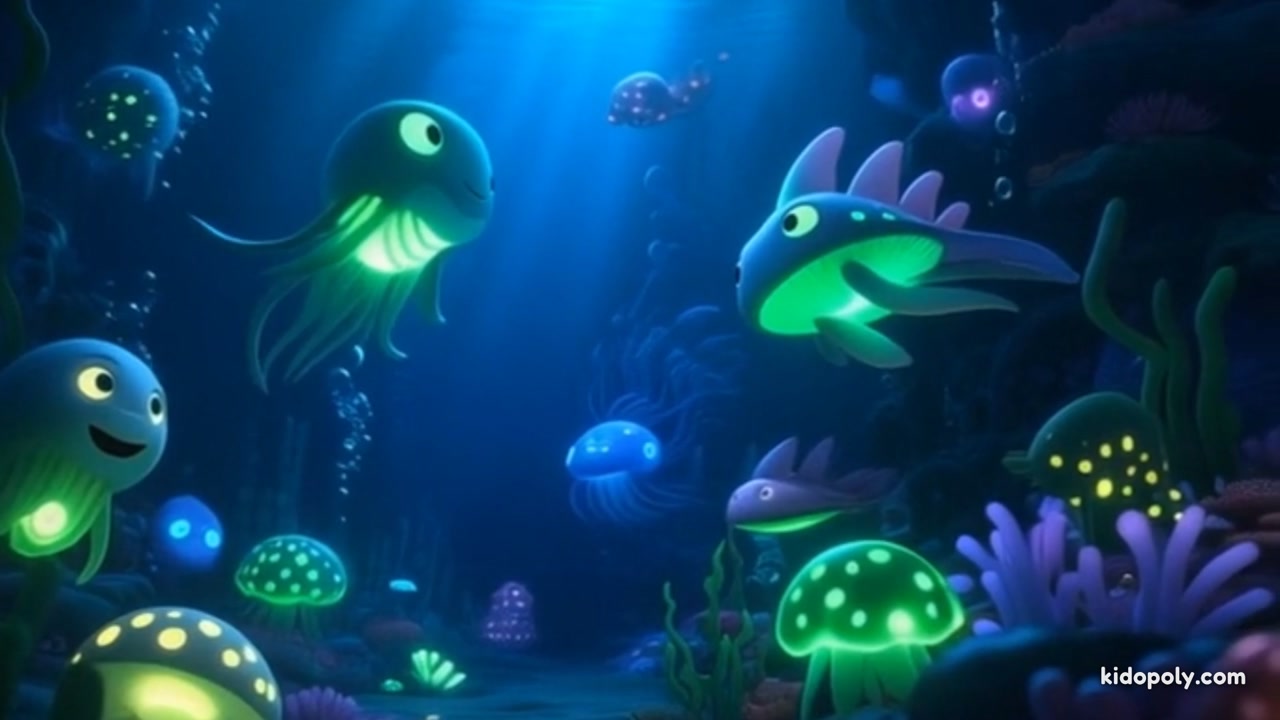
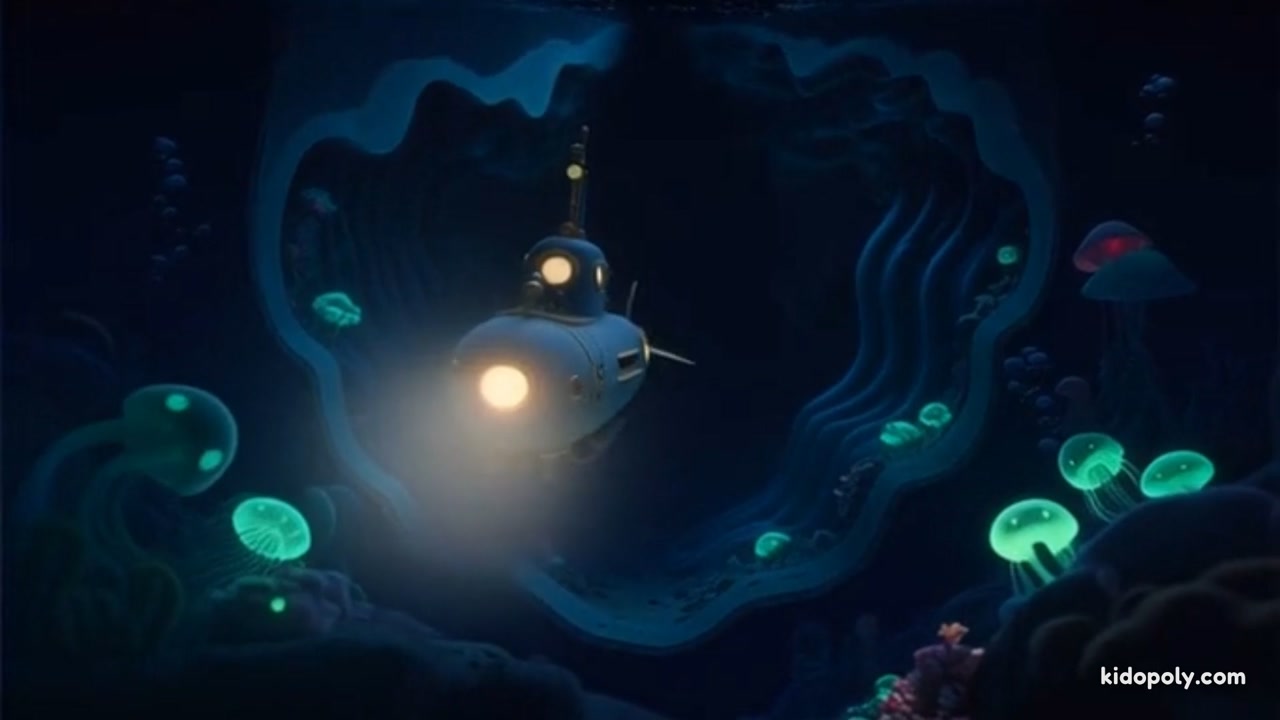
Did you know that it "snows" in the deep, dark parts of the ocean? It isn’t made of cold, frozen water like the snow we use to build snowmen. Instead, "marine snow" is made of tiny bits of organic material that start at the surface and drift downward. This includes tiny pieces of dead plankton, bits of seaweed, and even microscopic fish scales! To a deep-sea explorer in a submarine, it looks like a gentle, shimmering shower of white flakes floating through the water, creating a beautiful and mysterious scene in the darkness.

2A Long Journey to the Deep

The ocean is incredibly deep—sometimes over 30,000 feet down! Because the flakes are so small and light, they don't just sink like a stone. It can take several weeks for a single "snowflake" to travel from the sunlit surface all the way down to the muddy ocean floor. During this long trip, the flakes often stick together to form bigger clumps called aggregates. These clumps act like tiny delivery packages, carrying carbon and nutrients from the warm upper ocean down into the freezing, high-pressure world of the abyss.

3Feeding a Mysterious World

Down in the deepest parts of the sea, there is no sunlight at all, which means no plants or algae can grow there. This creates a big problem: how do animals find dinner? This is where marine snow becomes a real hero! For creatures like the vampire squid, sea cucumbers, and tiny glowing bacteria, this falling food is their primary source of energy. It is the foundation of a massive deep-sea food web, proving that even the tiniest bits of "snow" are vital for keeping the ocean's most mysterious inhabitants alive and healthy.
Video Transcript

Introduction

Imagine snow falling, but underwater! In the ocean's huge depths, tiny bits of dead plants, animals, and even poop slowly drift down from above. This special 'marine snow' looks like a gentle, shimmering shower. It might sound strange, but for many amazing creatures living in the very deep ocean, this falling food is their only source of dinner!

Key Facts

Did you know marine snow can take weeks to reach the ocean floor from the surface? It is like a very, very slow-motion snowfall! Also, marine snow is super important because it carries food and nutrients down to creatures that live where no sunlight ever reaches. Without it, those mysterious deep-sea animals would have nothing to eat!

Think About It

If the deep ocean is too dark for plants to grow, how do animals living there find enough food to survive?

The Answer

Animals in the deep ocean rely on marine snow, which is made of tiny pieces of food falling from the sunlit waters above. These bits are food for creatures like tiny bacteria, which are then eaten by bigger animals, creating a whole food web that depends on this special 'snow' for energy.

Frequently Asked Questions

What is marine snow actually made of?

Marine snow is a mix of tiny dead plants called phytoplankton, small pieces of dead animals, and even fish poop! These bits are held together by a sticky goo that helps them form white flakes as they drift down through the water.

Why is it called snow if it isn't made of ice?

Scientists call it "snow" because the white flakes look exactly like a winter snowstorm when they are caught in the lights of a submarine. While the deep ocean is very cold, these flakes are actually a shower of food rather than frozen water.

How do animals in the dark find the snow?

Many deep-sea animals have special bodies designed to catch these falling bits, like feathery fans or sticky tentacles. Some creatures, like sea lilies, stay rooted to the ocean floor and wait for the snow to land right on them so they can eat it.

Is marine snow important for the whole planet?

Yes, it is very important! It helps move carbon from the atmosphere down to the bottom of the ocean, which helps regulate Earth's temperature. It is a major part of the "Global Carbon Pump" that keeps our planet's environment in balance.

Watch More Videos

Discover fun educational videos about science, history, animals, and more.

Explore All Videos
Audience Debug