Ancient Civilizations 1:00

Mud Brick Wonders for Kids

1The Secret Recipe for Ancient Cities

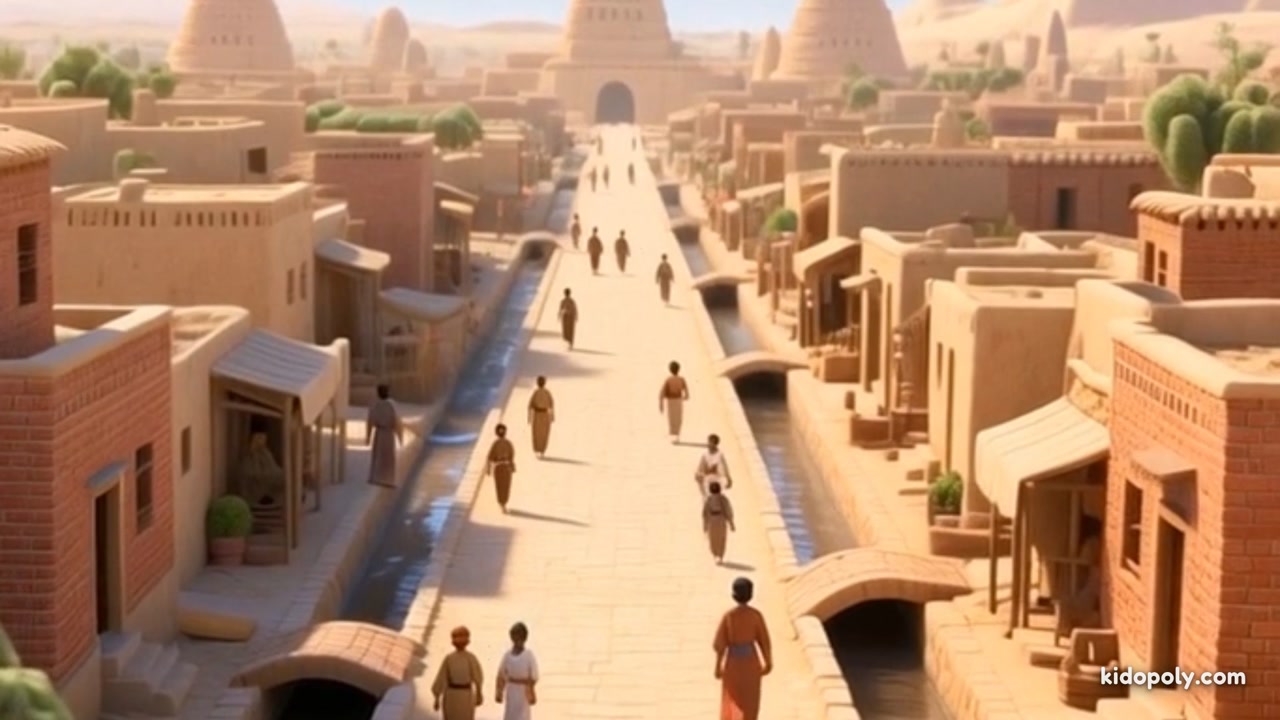
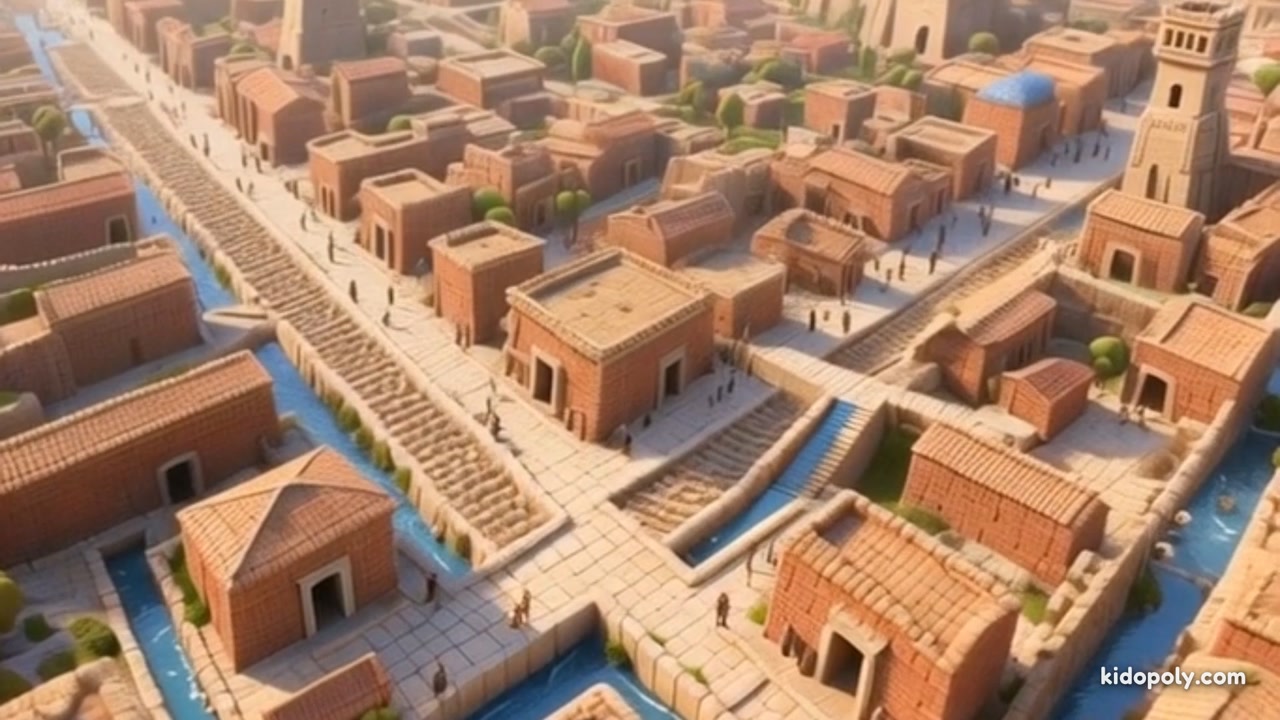
Imagine building a whole city using nothing but the ground beneath your feet! In ancient Mesopotamia, that is exactly what happened. Because there weren't many trees for wood or big rocks for stone, people looked to the riverbanks of the Tigris and Euphrates. They discovered that by mixing thick river mud with chopped straw or reeds, they could create a super-strong "batter." The straw acted like a skeleton inside the brick, holding it together so it wouldn't crack as it dried. They poured this mixture into wooden molds and let the hot desert sun bake them into hard, sturdy blocks.

2Skyscrapers Made of Mud

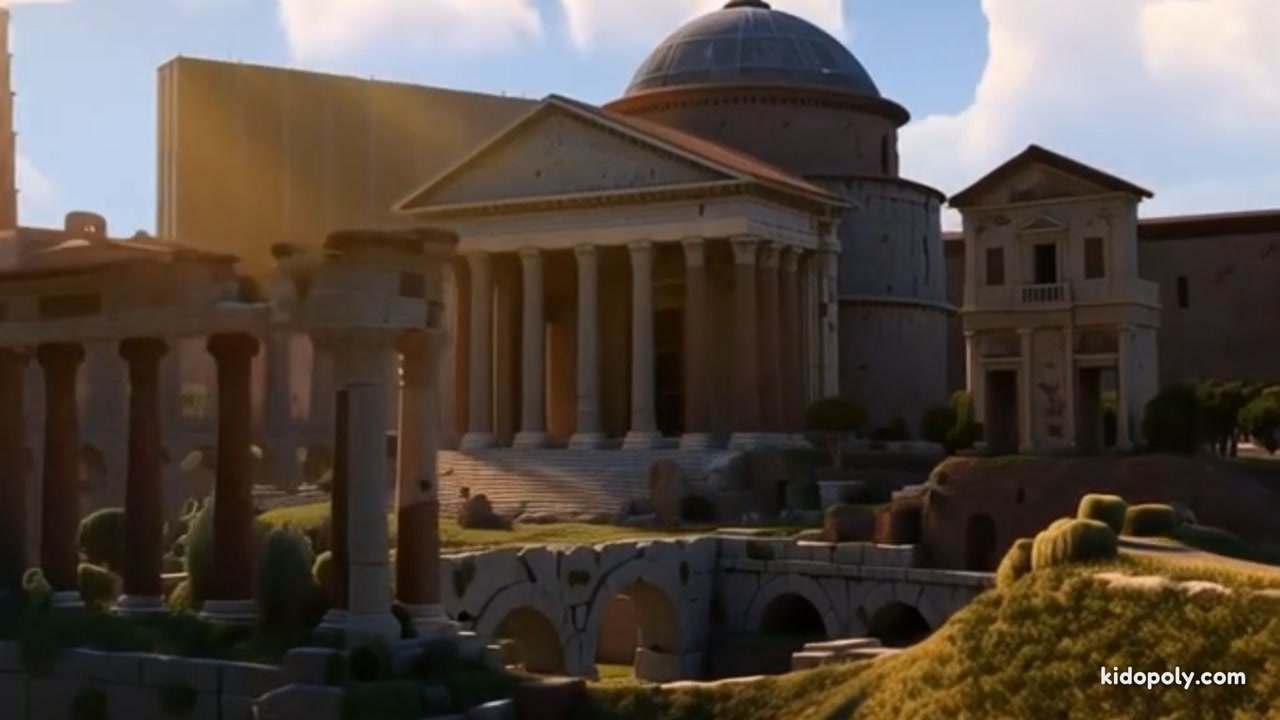
These simple bricks allowed the Mesopotamians to become the world’s first master builders. They didn't just build small huts; they constructed massive "Ziggurats," which were giant stepped temples that looked like mountains reaching for the sky! Some of these structures used millions of bricks. To make sure their buildings stayed standing, they invented clever designs like arches and domes. By leaning bricks against each other in a curve, they could support heavy roofs and create wide-open rooms without needing any wooden beams at all.

3A Strong Foundation for History

Even though these bricks were made of just dirt and grass, they were incredibly tough. Some of the walls in the city of Uruk were over 6 miles long and thick enough for chariots to drive on top! While most bricks were dried in the sun, sometimes builders would "fire" or bake the bricks in a very hot oven called a kiln. This made them waterproof and almost as hard as stone. Because of these amazing inventions, Mesopotamian cities grew to be the biggest on Earth, proving that with a little imagination, even mud can turn into a wonder of the world!
Video Transcript

Introduction

Long, long ago, in a land called Mesopotamia, people built giant cities and towering temples using a very simple material: mud! They mixed mud with straw, dried it in the sun, and created strong bricks. These mud bricks were the building blocks of some of the world's first-ever cities, making huge structures possible.

Key Facts

Did you know that ancient Mesopotamians were experts at making mud bricks? They would often use reeds or straw mixed into the mud to make the bricks even stronger, just like adding steel bars to modern concrete! Some of the earliest forms of arches and domes were created using these simple mud bricks.

Think About It

Why was mud such an important building material for ancient Mesopotamian cities?

The Answer

Mesopotamia had very few forests for wood or quarries for stone, but it had plenty of mud from its rivers. By mixing mud with straw and drying it, people could create strong, free building blocks. This allowed them to construct large homes, walls, and temples for their growing cities.

Frequently Asked Questions

Why did they add straw to the mud?

Adding straw or reeds was a genius move because it acted as a binder to strengthen the material. Without the straw, the mud would shrink and crack as the water evaporated in the sun, but the straw fibers held everything in place, making the bricks much more reliable for tall walls.

What happens if it rains on a mud brick house?

Since most Mesopotamian bricks were sun-dried, they could slowly melt if they got too wet for a long period. To prevent this, builders often covered the outside of important buildings with a layer of plaster or special 'fired' bricks that had been baked in an oven to make them waterproof.

Are there still mud brick buildings today?

Yes, archaeologists have found the remains of mud brick temples and houses that are over 5,000 years old! While many have crumbled back into the earth over time, the foundations and some massive structures, like the Ziggurat of Ur, still stand in modern-day Iraq as a reminder of ancient engineering.

How many bricks did it take to build a temple?

Building a massive temple or Ziggurat was a huge job that required millions of individual mud bricks. Thousands of workers would spend months molding and drying the blocks before stacking them up to create the towering structures that served as the heart of ancient Mesopotamian cities.

Watch More Videos

Discover fun educational videos about science, history, animals, and more.

Explore All Videos
Audience Debug