1The Ultimate Nature Reboot
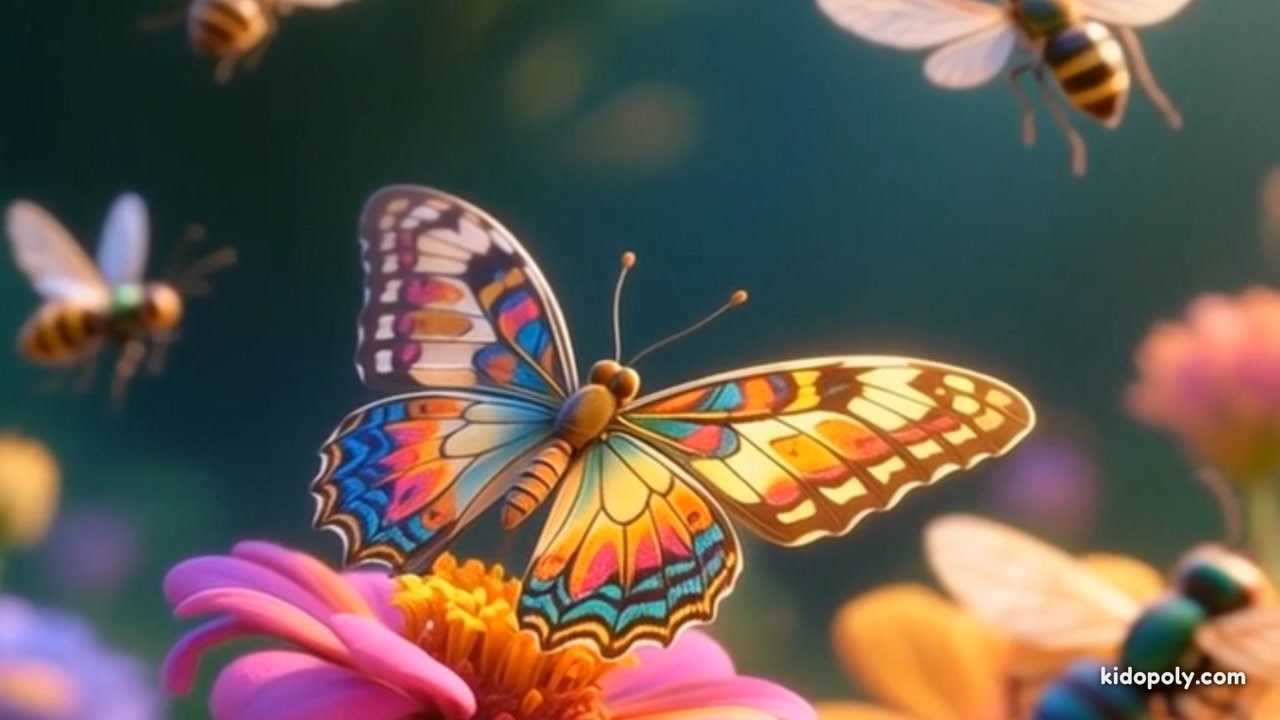
Metamorphosis is more than just growing up; it’s a total body makeover! While humans grow from small babies into larger adults, insects like butterflies, beetles, and bees undergo a process called "complete metamorphosis." This cycle has four amazing stages: egg, larva (the hungry caterpillar), pupa (the changing stage), and adult. During the pupa stage, the insect’s body essentially liquefies. It turns into a nutrient-rich "soup" of cells that uses every bit of energy to build complex new parts, like delicate wings, long antennae, and compound eyes.
2Life as an Eating Machine
Before the big change happens, an insect must prepare. For a butterfly, this is the larva or caterpillar stage. A caterpillar’s only job is to eat as much as possible! In fact, a caterpillar can grow so fast that it increases its weight by over 3,000 times in just a few weeks. Imagine if a human baby grew that much—it would be as heavy as two school buses! Because their skin doesn't stretch, they have to "molt" or shed their skin several times as they get bigger, preparing for the final transformation inside the chrysalis.
3Why Nature Uses This Magic
You might wonder why nature creates such a complicated process. The secret is survival! By having different life stages, the "baby" insect and the "adult" insect don't have to compete for the same food or space. Caterpillars spend their time crawling and munching on leaves, while butterflies fly high to find nectar and mates. This means a single habitat can support many more insects because they are living completely different lifestyles. It’s a brilliant way to ensure that these tiny creatures can thrive in almost every corner of our planet!