Countries 1:00

Midnight Sun Lands for Kids

1The Land of the No-Night Sun

Have you ever wanted a bedtime that never came? In places inside the Arctic Circle, the sun stays above the horizon for 24 hours straight! This incredible phenomenon is known as the "Polar Day." From late May to mid-July in parts of Norway, Sweden, and Finland, the sun doesn't set at all. Instead of getting dark, the sky often turns a beautiful mix of pink, gold, and orange, making it look like a sunset that lasts for hours and hours. It is like the world has its own natural nightlight that never turns off, giving kids extra time to explore the great outdoors.

2Why the Sun Stays Awake

This happens because Earth is a little bit "tippy." Our planet sits on an invisible line called an axis, which is tilted at about 23.5 degrees. As Earth orbits the sun, the North Pole leans toward the sun during the summer months. Because of this tilt, the very top of the world stays in the sunlight even as the Earth spins around each day. It is like standing right under a lamp while spinning a basketball—the top of the ball stays bright the whole time! In some northernmost towns, like Longyearbyen in Norway, the sun stays up for over 120 days without a single sunset.

3Life in the Endless Light

Living with 24/7 sunshine sounds like a dream, but it can be a bit confusing for your body! Local families use heavy "blackout" blinds or thick curtains to trick their brains into thinking it is nighttime so they can get some sleep. Even though it is bright out, kids still have to follow their routines and go to bed at their usual time. Animals have to adapt, too. Some Arctic reindeer stop following a strict sleep schedule and just eat whenever they feel hungry! During summer festivals, people celebrate with midnight hikes or even soccer matches, taking advantage of every second of extra light before the dark winter returns.

Video Transcript

Introduction

Imagine a place where the sun never sets for weeks or even months! In countries far up north, like Norway, Finland, and Sweden, people experience the amazing Midnight Sun. This happens in summer, turning night into a bright, endless day. How do people sleep or tell the time when it's always light?

Key Facts

Did you know the sun stays visible all night long because of how Earth tilts on its axis as it orbits the sun? Some people put up thick curtains to make their rooms dark enough for sleeping. This endless daylight means more time for outdoor adventures like hiking, fishing, or playing at midnight!

Think About It

If the sun never went down for weeks, how would you know when to go to bed or wake up for school?

The Answer

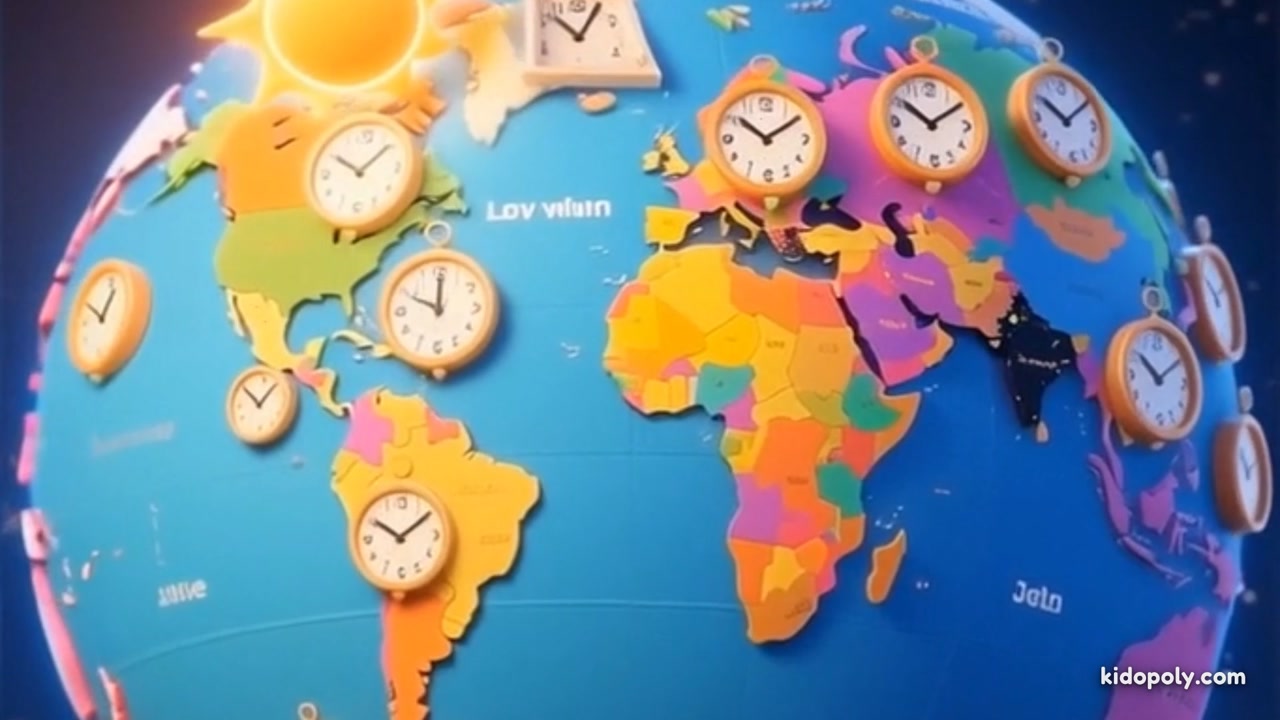
In Midnight Sun countries, people often rely on clocks and routines much more than the sunlight. They use special blackout blinds or thick curtains to make their bedrooms dark for sleeping. Animals also adapt, some becoming more active during these brighter 'nights'!

Frequently Asked Questions

Where can I see the Midnight Sun?

You can see it in countries that have land inside the Arctic Circle, such as Norway, Iceland, Finland, Sweden, Canada, and the United States (Alaska). It also happens in Antarctica at the South Pole during their summer season.

Does it ever happen in the South Pole?

Yes, but it happens at the opposite time of the year! While the North Pole has the Midnight Sun in June and July, the South Pole experiences it in December and January because that is when the bottom of the Earth tilts toward the sun.

Why is the light called the Golden Hour?

When the sun is very low in the sky at midnight, the light becomes soft and warm, casting a beautiful golden glow over the landscape. This makes the scenery look magical and is a favorite time for photographers to take pictures.

How do people know when to eat dinner or sleep?

People living in these lands rely on clocks, watches, and strict daily schedules to stay on track. Without a clock, it would be very easy to stay up all night playing because your brain doesn't get the 'it is dark' signal to feel tired!

Watch More Videos

Discover fun educational videos about science, history, animals, and more.

Explore All Videos
Audience Debug