Animals 1:00

Copycat Octopus Wonders for Kids

1The Master Actor of the Ocean

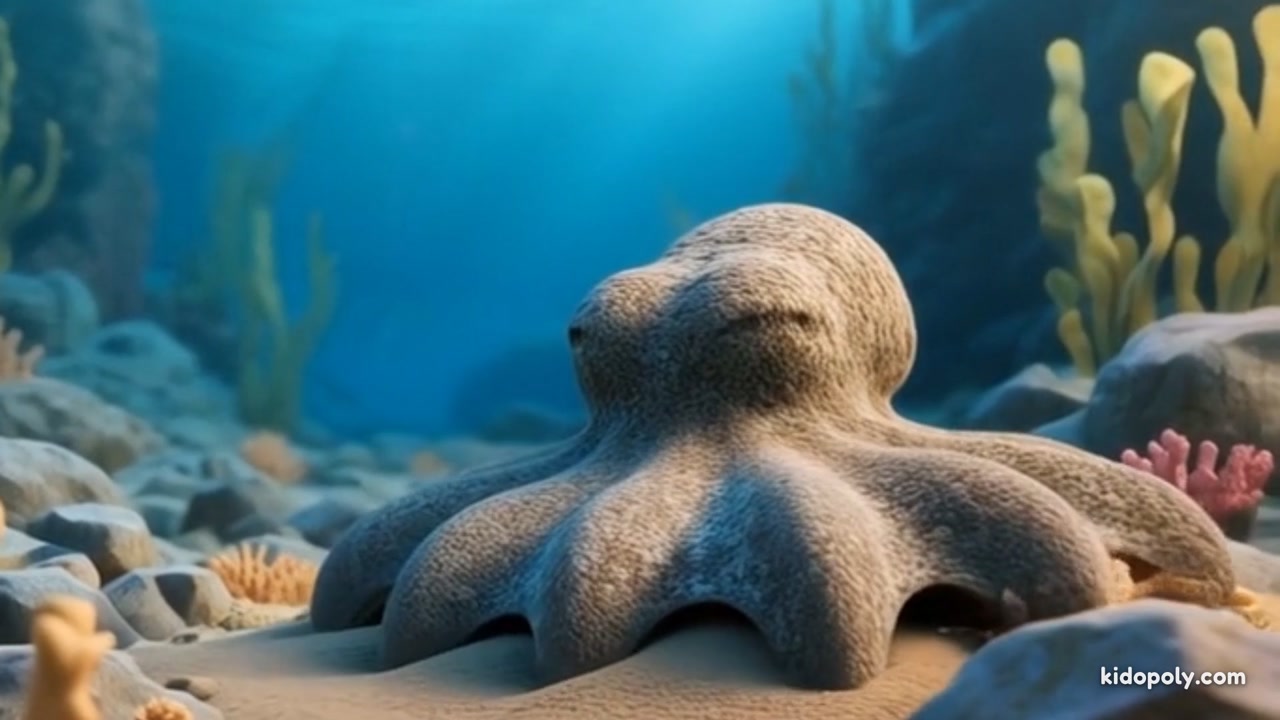
Imagine being able to turn into anyone you wanted just by changing your clothes! The mimic octopus does exactly that under the sea. First found by researchers in the muddy waters of Indonesia in 1998, this soft-bodied cephalopod doesn't just hide; it performs. While most octopuses blend into rocks or sand to disappear, the mimic uses its eight flexible arms to strike specific poses, making itself look like completely different creatures. It is one of the only animals in the world known to impersonate a wide variety of species to trick its enemies.

2A Wardrobe of 15 Costumes

Scientists have discovered that this smart octopus can pretend to be at least 15 different sea creatures! It chooses its "costume" based on exactly which predator is nearby. If a hungry damselfish comes near, the octopus might pull six of its arms into a hole and wave two arms in the water to look exactly like a venomous sea snake. To swim safely across open water, it flattens its body and trails its arms to look like a poisonous flat sole fish. It can even puff its arms out to look like a spiky, dangerous lionfish, keeping everyone at a distance.

3More Than Just Hide and Seek

What makes the mimic octopus truly special is its incredible brain power. This behavior is called "dynamic mimicry," which requires the octopus to recognize a threat and decide which animal would be the scariest to that specific predator. To complete the look, it uses color-changing cells called chromatophores to shift its skin patterns in a flash. It can even change its skin texture to look bumpy or smooth! This master of disguise shows us that being smart and creative is just as important as being strong when you live in the wild ocean.
Video Transcript

Introduction

The mimic octopus is a true master of disguise, but it does more than just blend in with its surroundings! This clever creature actively imitates other dangerous animals to trick predators and prey. It can change its colour, skin texture, and even its body shape and movement to perfectly copy creatures like venomous sea snakes, spiky lionfish, or flat sole fish. It is like having a costume closet in its skin!

Key Facts

Did you know the mimic octopus can pretend to be at least 15 different animals, choosing which one to imitate based on the threat it faces? It was only discovered in 1998, surprising scientists with its incredible ability to not just hide, but to act like other species!

Think About It

How is what the mimic octopus does different from regular camouflage, where an animal just blends into its surroundings?

The Answer

Camouflage is about hiding by matching the colours and patterns of the background, so you are hard to see. The mimic octopus, however, takes it a step further. It actively changes its shape and behaviour to look exactly like another animal, often one that is dangerous or unappetising to predators. It is not just hiding; it is pretending to be something else entirely to scare predators away.

Frequently Asked Questions

Where does the mimic octopus live?

These amazing creatures are mostly found in the warm, tropical waters of the Indo-Pacific, specifically around Indonesia and Malaysia. They prefer living in shallow, muddy areas at the bottom of the ocean where there aren't many rocks to hide behind, making their disguises very important.

Can the mimic octopus copy a human?

While they are very intelligent, they only copy other sea animals that they see in their natural habitat. They focus on imitating creatures that are dangerous or taste bad to predators, such as sea snakes, jellyfish, and stingrays, rather than land-dwelling mammals.

How fast can it change its appearance?

A mimic octopus can change its color, skin texture, and body shape in less than a second! They use special muscles and tiny pigment sacs in their skin to transform their look instantly whenever they sense even a small amount of danger.

What do mimic octopuses like to eat?

Even though they spend a lot of time pretending to be other things, they still have to hunt for their own meals. They usually eat small crustaceans like crabs and shrimp, often using their clever disguises to sneak up on their prey without being noticed.

Watch More Videos

Discover fun educational videos about science, history, animals, and more.

Explore All Videos
Audience Debug