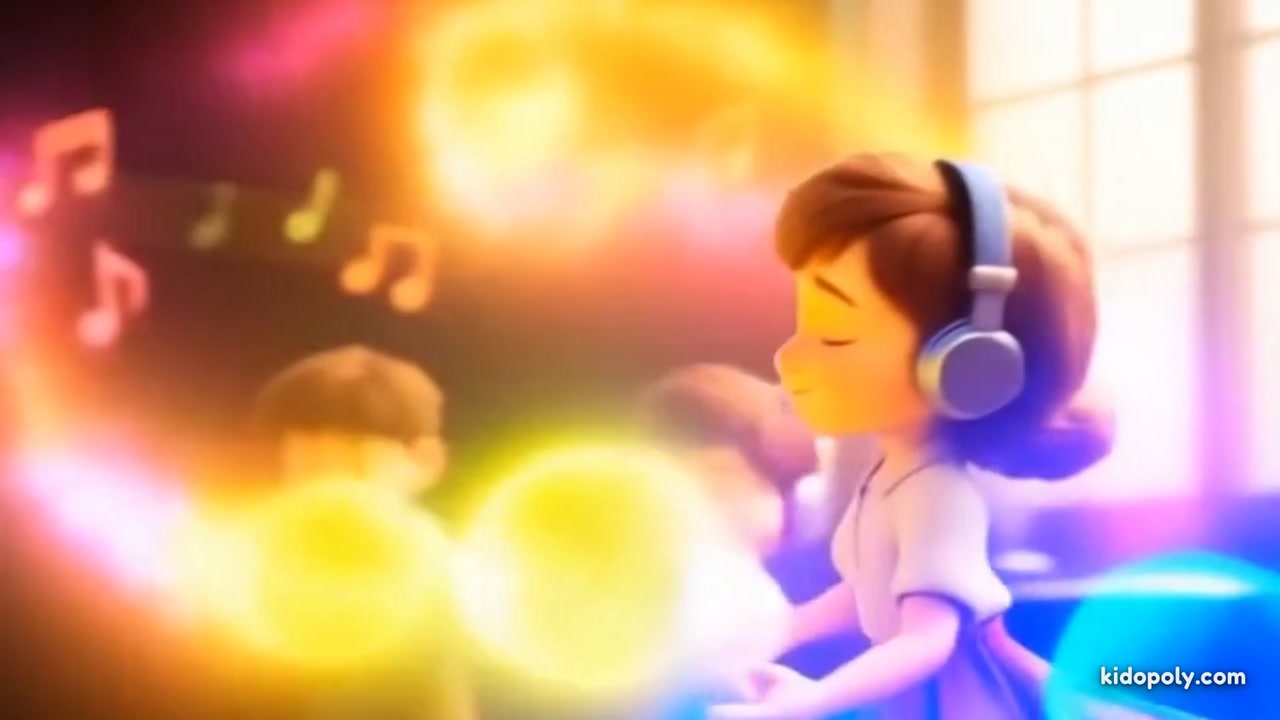
1The Brain's Musical Symphony
Music isn't just sound; it is a chemical reaction in your brain! When you hear a melody you love, your brain releases a special chemical called dopamine. This is the same "reward" chemical that makes you feel excited when you win a game or eat your favorite snack. Because of this, listening to your favorite tunes can actually reduce stress hormones like cortisol by up to 25%, helping you feel happier almost instantly. Your brain is wired to respond to rhythm and harmony, turning every song into an emotional experience.
2Rhythm and Your Heartbeat
Have you ever felt your heart race during a fast song? This happens because of a process called "entrainment." Your heart and breathing actually try to synchronize with the tempo, or speed, of the music. A fast song at 120-140 beats per minute (BPM) can make you feel energized and alert, while a slow song at 60 BPM can lower your blood pressure and help your muscles relax after a busy day. It is like the music is a remote control for your body’s internal systems!
3The Universal Secret Language
Even though people speak thousands of different languages around the world, music is the one "secret language" everyone understands. Researchers have found that people from completely different cultures can identify the same emotions in a song, even if they have never heard that style of music before. This is because certain patterns of sound—like rising scales for joy or long, low notes for sadness—connect directly to the way humans express feelings naturally. Music helps us connect with others without ever having to say a single word.