Music 1:00

Music and Emotions for Kids

1The Brain's Musical Symphony

Music isn't just sound; it is a chemical reaction in your brain! When you hear a melody you love, your brain releases a special chemical called dopamine. This is the same "reward" chemical that makes you feel excited when you win a game or eat your favorite snack. Because of this, listening to your favorite tunes can actually reduce stress hormones like cortisol by up to 25%, helping you feel happier almost instantly. Your brain is wired to respond to rhythm and harmony, turning every song into an emotional experience.

2Rhythm and Your Heartbeat

Have you ever felt your heart race during a fast song? This happens because of a process called "entrainment." Your heart and breathing actually try to synchronize with the tempo, or speed, of the music. A fast song at 120-140 beats per minute (BPM) can make you feel energized and alert, while a slow song at 60 BPM can lower your blood pressure and help your muscles relax after a busy day. It is like the music is a remote control for your body’s internal systems!

3The Universal Secret Language

Even though people speak thousands of different languages around the world, music is the one "secret language" everyone understands. Researchers have found that people from completely different cultures can identify the same emotions in a song, even if they have never heard that style of music before. This is because certain patterns of sound—like rising scales for joy or long, low notes for sadness—connect directly to the way humans express feelings naturally. Music helps us connect with others without ever having to say a single word.
Video Transcript

Introduction

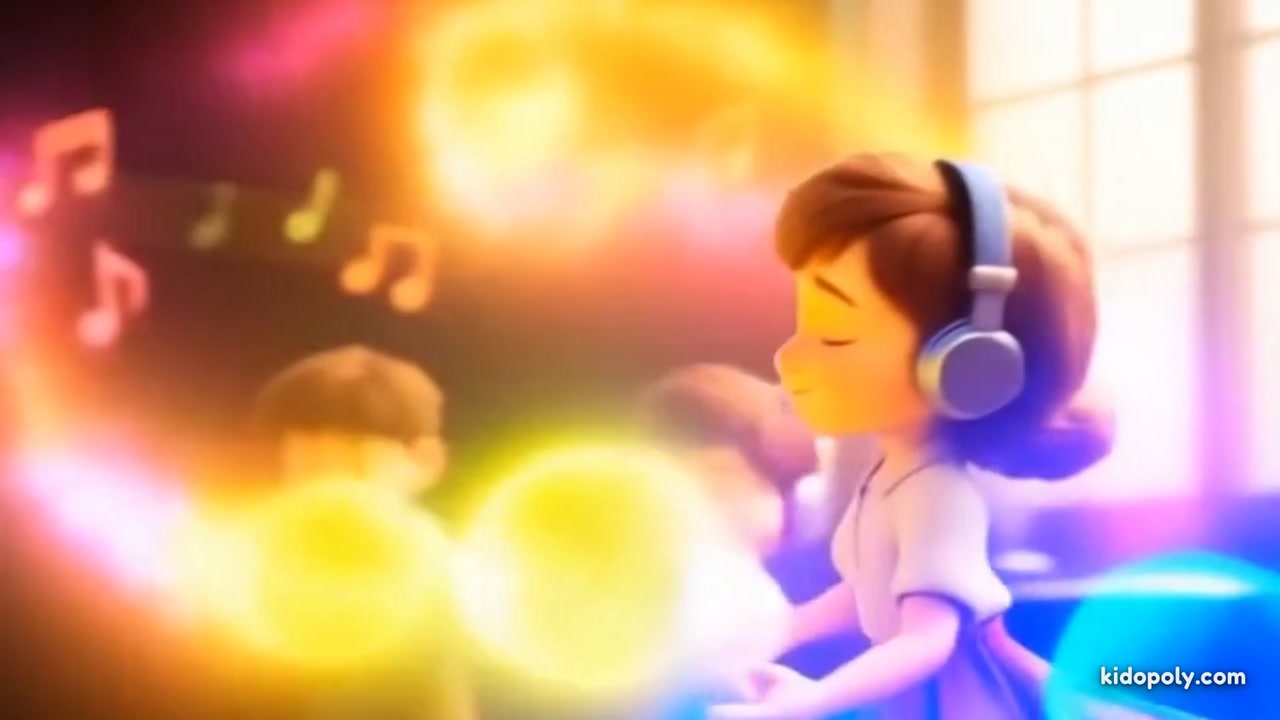
Have you ever noticed how some songs make you feel happy and want to dance, while others make you feel calm or even a little bit sad? Music has a special power to touch our feelings deep inside. It can change our mood in an instant, helping us to celebrate, remember, or even just relax. Understanding how music connects with our emotions is like discovering a secret language of feelings.

Key Facts

Did you know when you listen to music you love, your brain can release special chemicals like dopamine, which makes you feel happy and rewarded? Or that faster tempo music can make your heart beat a little quicker, while slower music can help you feel more relaxed and bring your heart rate down? Scientists are still studying exactly how music affects different parts of our brain to create such a wide range of feelings.

Think About It

Why does a sad song sometimes make us feel good, even though it is about something unhappy?

The Answer

A sad song can actually make us feel good because it helps us understand and process our own feelings. When we hear music that sounds sad, it can let us know that it is okay to feel those emotions. It can also be comforting to know that other people feel that way too, and the music helps us connect with those shared human experiences without having to say a word.

Frequently Asked Questions

Why do some songs make us want to dance?

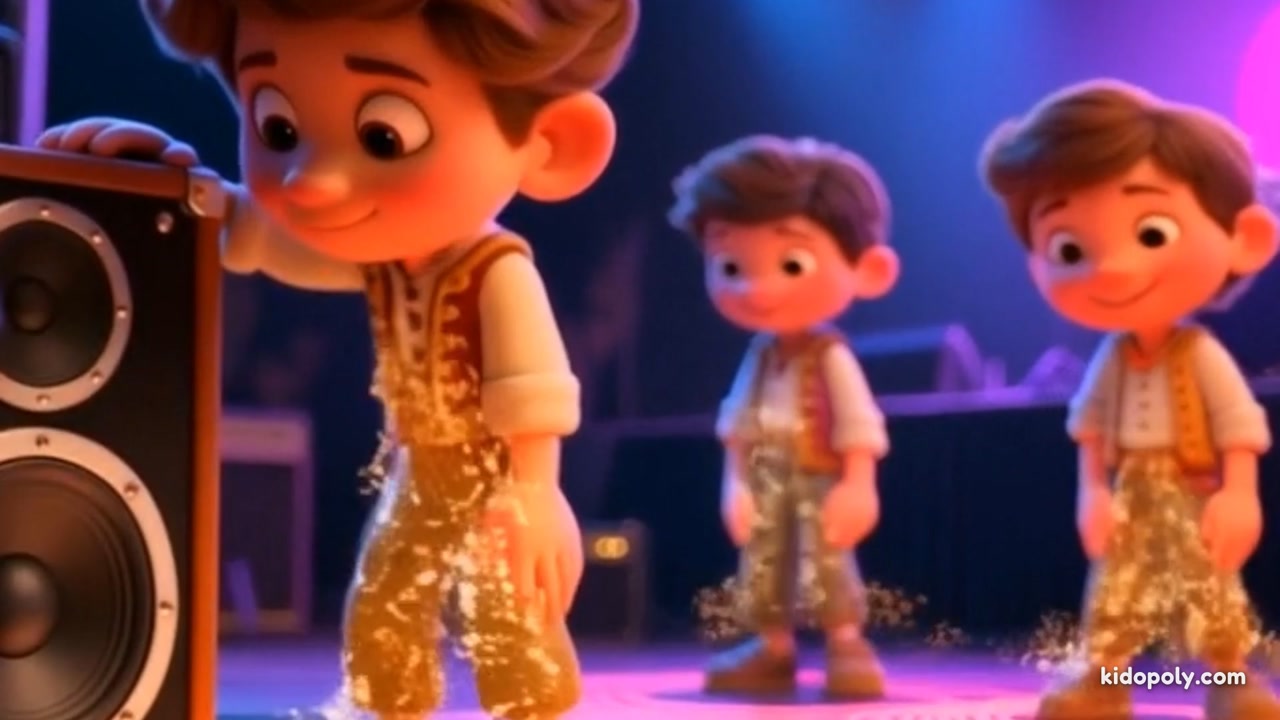
When we hear a strong beat, our brain's motor cortex—the part that controls movement—gets excited and sends signals to our muscles. This creates a natural urge to move because our bodies want to synchronize with the rhythm of the music.

Can music help you study or do homework?

Yes, certain types of music can improve focus! Calm, instrumental music without lyrics often helps kids concentrate better because it blocks out distracting background noises without making the brain work too hard to follow words.

Why does movie music sound so scary sometimes?

Film composers use specific sounds, like very low frequencies or sudden, sharp noises, to trigger our brain’s "fight or flight" response. These sounds mimic noises made by predators in nature, which makes us feel suspense and excitement during a scene.

How many different emotions can music express?

While we usually think of just happy or sad, scientists believe music can trigger at least 13 distinct types of emotions. These include feelings like amusement, dreaminess, and even triumph, and each person might feel them differently based on their own memories.

Watch More Videos

Discover fun educational videos about science, history, animals, and more.

Explore All Videos
Audience Debug