Music 1:00

Music Storytellers for Kids

1The Musical Toolbox

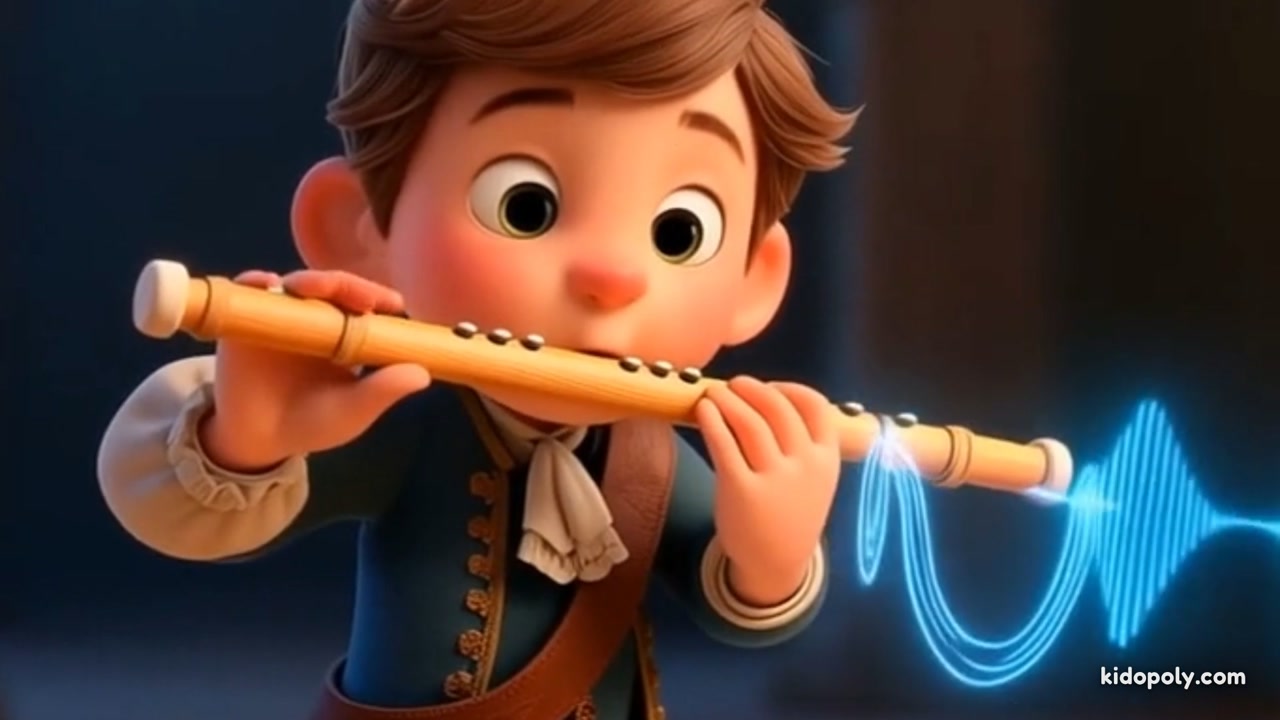
Think of a composer as an artist, but instead of using paint and brushes, they use sounds and rhythms to create a masterpiece. Every instrument in an orchestra has its own unique personality that helps tell a story. For example, a flute might sound like a lighthearted bird fluttering through a forest, while a deep, brassy tuba might represent a slow-moving giant. By choosing specific instruments, composers can describe a character's size, speed, and even their mood before they ever say a single word on screen!

2The Magic of Character Themes

Have you ever noticed that a specific song plays every time a certain hero or villain appears? This is called a "leitmotif." It is a short musical phrase that belongs to a specific character. A famous example is the deep, breathing rhythm of Darth Vader’s theme in Star Wars, which tells the audience that something dangerous is coming. Another classic is Peter and the Wolf, where the cat is represented by a sneaky clarinet and the brave Peter is represented by cheerful string instruments. These musical clues help our brains follow the plot and understand exactly who is on screen.

3Setting the Scene with Sound

Music doesn't just describe people; it describes the world they live in. To make a scene feel cold and icy, a composer might use high, twinkling notes on a glockenspiel. To make a scene feel like a high-speed chase, they use a fast "tempo," which is the speed of the beat. In professional ballets like The Nutcracker, the music tells the entire story from start to finish. Without a single line of dialogue, the changing melodies and rhythms show us when there is a battle, a celebration, or a magical dream, guiding our imagination on a 100% musical adventure.
Video Transcript

Introduction

Have you ever watched a movie and noticed how the music makes exciting scenes feel even more thrilling, or sad scenes feel more emotional? Music is a powerful storyteller, able to create moods, build tension, and describe characters without a single word! From ballet to film scores, composers use instruments, melodies, and rhythms to paint vivid pictures in our minds and guide us through amazing adventures.

Key Facts

Did you know that in many cartoons, specific musical notes or short tunes are used over and over again for a character, so you recognise them just by their sound? Or that composers for movies sometimes use very high, screechy sounds to make things feel scary, and deep, rumbling sounds to make something feel powerful or dangerous? Music in ballets often tells an entire story, with each dance movement perfectly matched to the changing melody and rhythm, expressing everything from love to conflict.

Think About It

How can music tell a story or describe a character without using any words?

The Answer

Music tells stories by using different elements like tempo, melody, harmony, and instrument choice to create feelings and images. Fast, loud music might suggest excitement or danger. Slow, soft music might suggest sadness or peace. A heroic character might have a strong, memorable melody, while a sneaky character might have a quiet, tiptoeing tune. Different instruments also have unique sounds that can represent different things, like a trumpet for a hero or a flute for a graceful fairy.

Frequently Asked Questions

Why does scary music sound so frightening?

Composers use 'dissonance,' which are notes that clash and sound slightly 'wrong' to our ears, to create a feeling of unease. They might also use very high, screechy violin sounds or sudden, loud crashes to startle the audience and build suspense.

What is a leitmotif in a movie?

A leitmotif is a recurring bit of music that represents a specific person, place, or idea in a story. When you hear that specific tune, your brain automatically thinks of that character, even if they aren't visible in the scene yet!

How do instruments represent different animals?

Instruments mimic the sounds and movements of animals through their 'timbre' or tone. A light, chirpy piccolo sounds like a bird, while a low, growling double bass can sound like a bear or a large predator moving through the woods.

Can music change how we feel about a scene?

Yes, music is one of the best ways to control emotion in a story! If you play happy, upbeat music during a rainy day scene, it feels cozy, but if you play slow, lonely piano music, that same rain can feel very sad.

Watch More Videos

Discover fun educational videos about science, history, animals, and more.

Explore All Videos
Audience Debug