Environment 1:00

Symbiotic Living for Kids

1The Power of Teamwork in Nature

In the wild, life isn't always about competition. While we often think of animals hunting or fighting for space, many species have discovered that life is much easier when you have a best friend! This is called symbiosis, a word that comes from Greek meaning "living together." These special partnerships are essential for the health of our planet. When two different species work as a team, they can achieve things that would be impossible on their own, such as finding food in hard-to-reach places or staying safe from scary predators.

2Partners in the Deep and on Land

One of the coolest examples of this teamwork happens underwater. Clownfish have a special slimy coating on their scales that protects them from the venomous stings of sea anemones. While other fish stay far away, the clownfish moves right in! In return for a safe home, the clownfish provides the anemone with nutrients and even chases away butterflyfish that might try to eat the anemone's tentacles. On land, the oxpecker bird acts like a tiny doctor for big mammals like zebras and rhinos. These birds spend their whole day hopping across the zebra's back, eating up to 100 pests like ticks in a single sitting, which keeps the zebra healthy and itch-free!

3Hidden Helpers Under Your Feet

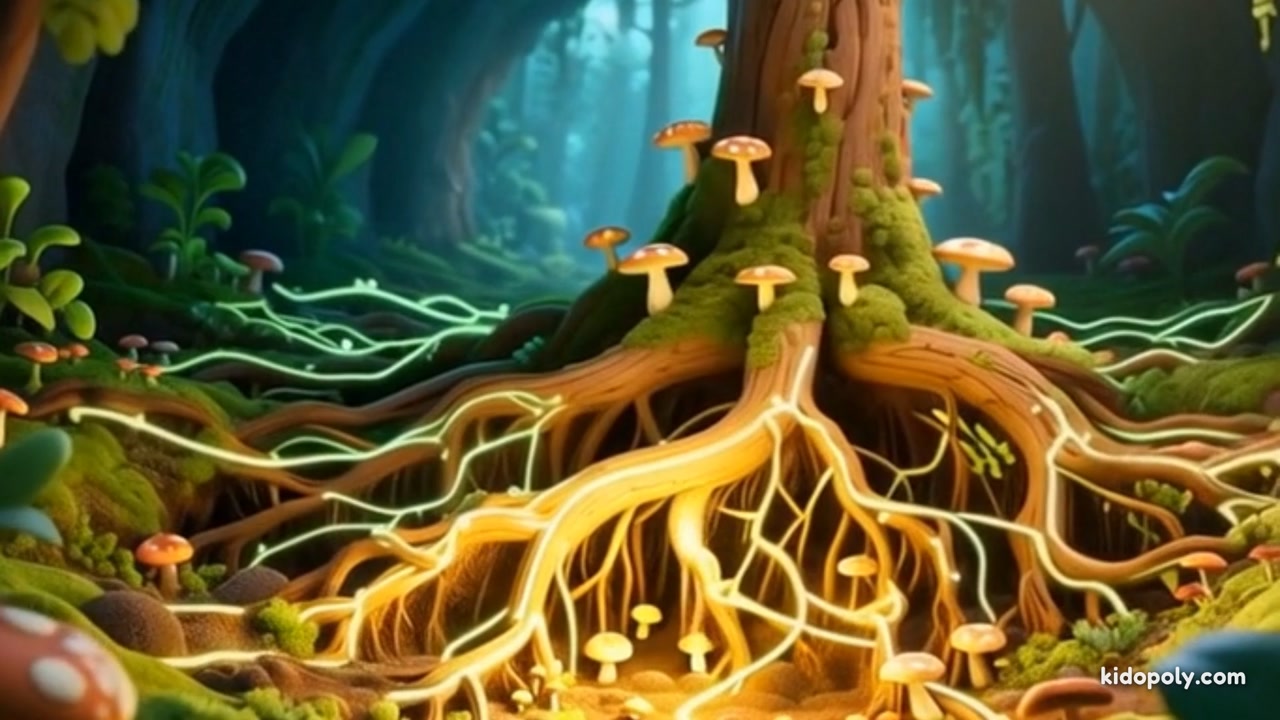
Some of the most important partnerships in nature are actually invisible to us because they happen underground. Most of the plants and trees you see in a park or forest have a secret deal with fungi called mycorrhizae. The fungi wrap themselves around the plant roots, acting like a giant web that stretches out to grab water and minerals from the soil that the roots can't reach. In exchange, the plant uses sunlight to make sugary energy and shares it with the fungi. This massive underground network is so complex that scientists often call it the "Wood Wide Web," helping entire forests stay strong and connected.
Video Transcript

Introduction

In nature, not all animals and plants are rivals! Some have special partnerships where they help each other to survive and thrive. This amazing teamwork, where two different types of living things live closely together and benefit each other, is called symbiosis.

Key Facts

Did you know tiny clownfish live safely inside sea anemones, which are usually stinging, and the clownfish helps clean the anemone? Oxpecker birds land on large animals like zebras and eat ticks and other insects off their skin, getting food and keeping the zebra clean. Some fungi grow with plant roots, helping the plant get more water and nutrients while the plant shares sugar with the fungi.

Think About It

Why is it helpful for different types of creatures to work together sometimes, instead of always competing?

The Answer

Working together means they can protect each other from danger, find food more easily, or get things they need that they couldn't get alone. This makes both partners stronger and more likely to survive and have healthy offspring than if they lived by themselves.

Frequently Asked Questions

What is the simplest definition of symbiosis?

Symbiosis is when two different types of living things live closely together and help each other survive. It is like a long-term friendship where both partners get something they need, like food, protection, or a clean place to live.

How does a clownfish not get stung by an anemone?

Clownfish are born with a special layer of mucus on their skin that makes them immune to the anemone's stinging cells. This allows them to hide deep inside the anemone's wavy tentacles where bigger predators are afraid to follow.

Do animals ever get annoyed by their symbiotic partners?

Usually, the benefits are so great that the animals are happy to have their partners around! For example, a zebra might seem bothered by a bird on its head, but it knows the oxpecker is removing painful parasites and will even hiss to warn the zebra if a lion is approaching.

Can plants have symbiotic relationships too?

Yes, plants are some of the best partners in nature! Many plants rely on bees for pollination to create seeds, and almost all trees work with underground fungi to gather water and nutrients from the soil.

Watch More Videos

Discover fun educational videos about science, history, animals, and more.

Explore All Videos
Audience Debug