Chemistry Magic 1:00

Nature's Little Workers for Kids

1The Invisible Clean-Up Crew

Did you know that the ground beneath your feet is home to an incredible team of tiny superheroes? These "Nature's Little Workers" are mostly microbes, like bacteria and fungi. They are so small that a single teaspoon of healthy soil can contain up to one billion of them! Without these invisible helpers, the world would be a very messy place. Dead leaves, fallen branches, and leftover food scraps would simply pile up forever. Instead, these tiny workers act as nature's ultimate clean-up crew, making sure that every bit of organic waste is put to good use.

2The Magic of Chemical Scissors

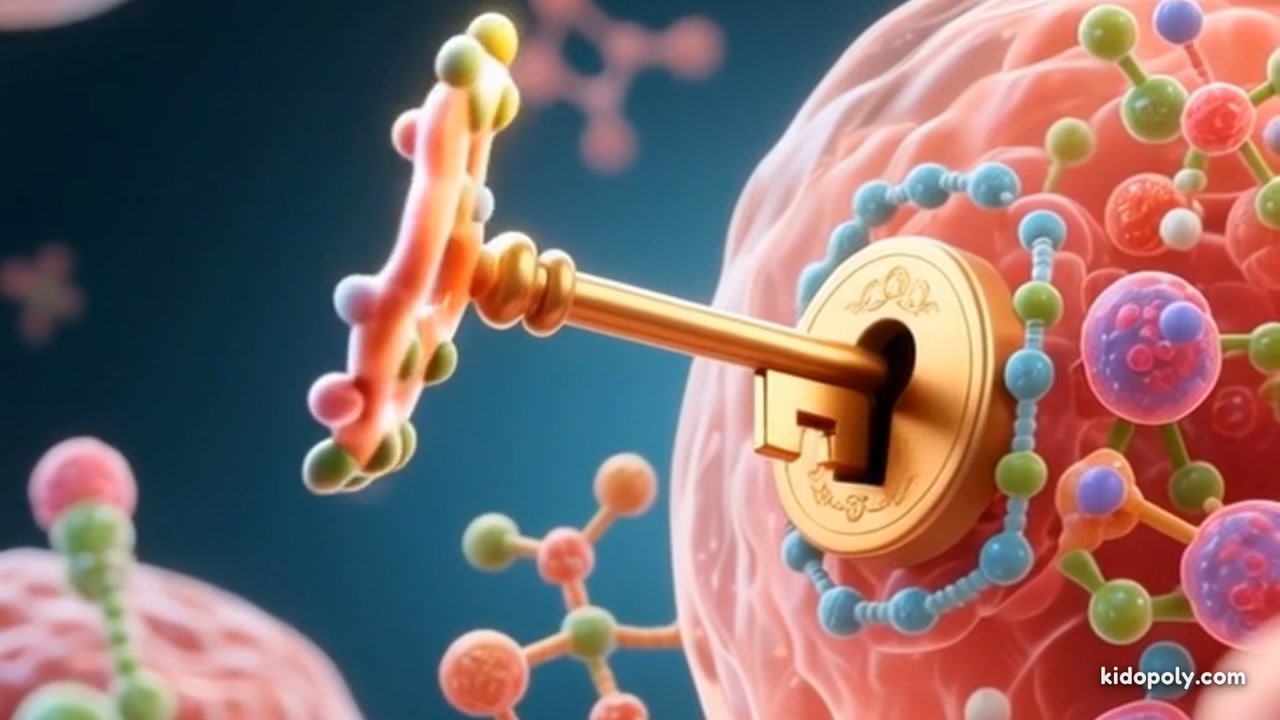
How do these tiny creatures break down something as tough as a wooden branch or a thick leaf? The secret is in the chemistry! Microbes create and release special proteins called enzymes. You can think of enzymes as tiny "chemical scissors." These scissors are designed to snip apart large, complex molecules into much smaller ones. This process is a form of chemistry magic called decomposition. As the microbes "cut" the waste apart, they transform old material into simpler substances that can be easily absorbed back into the environment. It is a busy, microscopic factory working 24 hours a day right under our toes!

3Recycling for a Greener World

This amazing transformation doesn't just make waste disappear; it actually creates something brand new. As the microbes finish their work, they turn old leaves and scraps into rich, dark soil called humus. This new soil is packed with valuable nutrients like nitrogen and phosphorus, which act like vitamins for the earth. When a new seed falls into this nutrient-rich soil, it has all the fuel it needs to grow into a strong, healthy plant. By recycling the old into the new, these little workers ensure that the cycle of life keeps spinning, proving that you don't have to be big to make a massive difference on our planet!
Video Transcript

Introduction

Did you know that some incredible tiny workers are busy turning old food scraps and leaves into rich, new soil? This amazing transformation, called decomposition, is like nature's very own recycling system, powered by hidden chemical processes!

Key Facts

Did you know that these tiny workers are called microbes, like bacteria and fungi, and they are so small you need a microscope to see them? They use special chemicals, called enzymes, to break down dead plants and animals into simpler substances. This process returns valuable nutrients to the earth, helping new plants to grow strong and healthy.

Think About It

How do dead leaves on the ground or leftover food scraps disappear over time?

The Answer

Dead leaves and food scraps disappear because tiny living things called microbes, like bacteria and fungi, chemically break them down. They release special chemicals called enzymes that act like tiny scissors, cutting apart the big molecules in the leaves and food. This process is called decomposition, and it turns the old material into new soil and releases nutrients back into the earth for plants to use.

Frequently Asked Questions

Why do things rot or decay?

Things rot because tiny living organisms called microbes are using them as a food source. As these microbes eat, they use chemical reactions to break down the structure of the object, eventually turning it into soil and gases.

Can we see microbes working without a microscope?

While you cannot see a single microbe with your eyes, you can definitely see the results of their hard work! When you see a compost pile shrinking, a log getting soft and crumbly, or a piece of fruit changing color and getting mushy, you are seeing millions of microbes in action.

What exactly are enzymes?

Enzymes are special chemical tools made by living things to speed up specific tasks. In the world of decomposition, microbes send these 'chemical scissors' outside their bodies to chop up big, tough molecules into tiny pieces that are small enough for the microbes to swallow.

How long does it take for a leaf to turn into soil?

In a warm and damp environment, it usually takes about six months to a year for a leaf to fully decompose into soil. The process happens much faster in the summer because microbes are more active and hungry when it is warm and wet!

Watch More Videos

Discover fun educational videos about science, history, animals, and more.

Explore All Videos
Audience Debug