1Nature’s Hidden Stopwatch
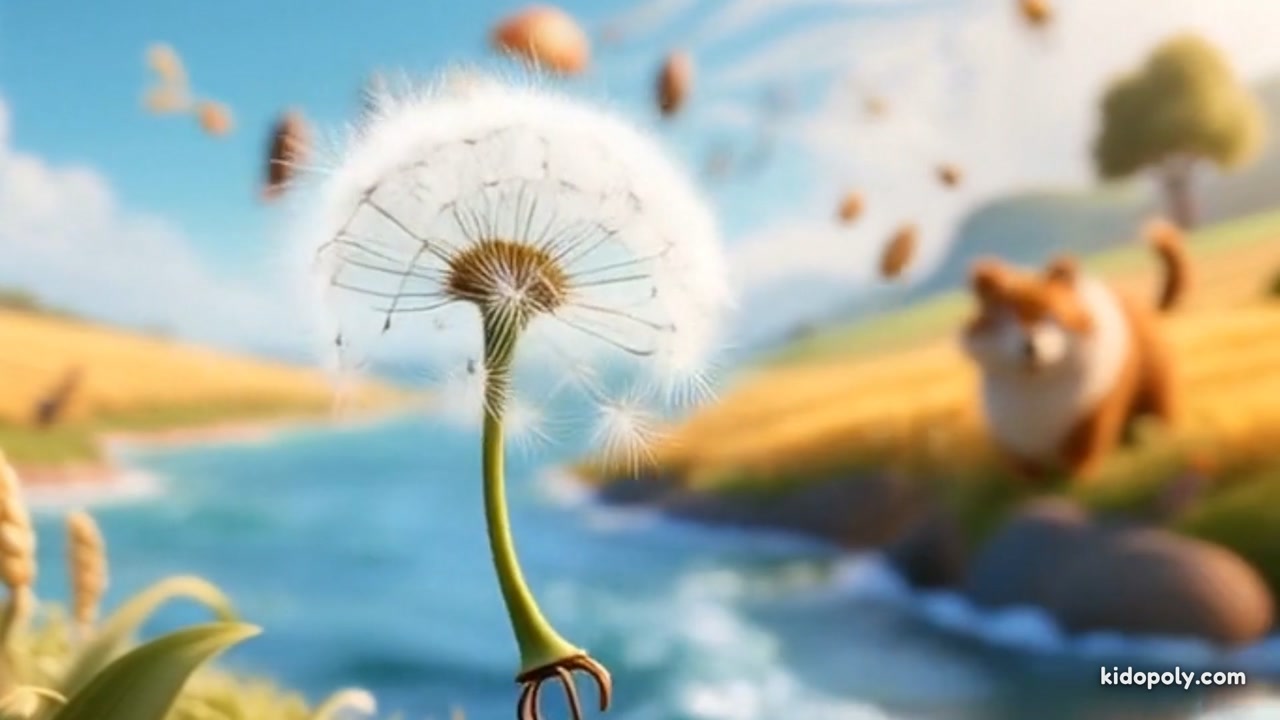
Phenology is like being a nature detective. Scientists look for "biological events," such as the very first day a robin appears in spring or the exact afternoon a maple tree drops its last leaf. These events aren't just random; plants and animals use environmental triggers like "photoperiod"—which is a scientific way of describing how many hours of sunlight we get—and temperature changes to decide what to do. For example, a specific type of flower might wait until there are exactly 12 hours of daylight before it finally dares to open its petals!
2The High-Stakes Game of Timing
In the wild, timing is everything. Some birds fly over 7,000 miles during migration, relying on nature’s internal clock to ensure that when they arrive at their destination, there will be plenty of juicy caterpillars or seeds waiting for them. If they arrive too early, they might freeze in a late-season snowstorm; if they are too late, all the best nesting spots will already be taken. This is why phenology is so important—it is the rhythm that keeps the whole ecosystem dancing together in perfect harmony.
3Why Scientists Are Watching Closely
Today, scientists around the world are tracking these time clues more than ever because our planet is getting warmer. When the weather changes, it can cause something called a "phenological mismatch." This happens when one part of nature wakes up too fast. Imagine a hungry mama bird hatching her eggs, but the insects she needs to feed her babies haven't come out yet because the ground is still too cold! By studying these patterns, we can help protect animals and make sure nature’s calendar stays on track for everyone.