Environment 1:00

Decomposers Recycle Nature for Kids

1The Secret FBI of the Forest

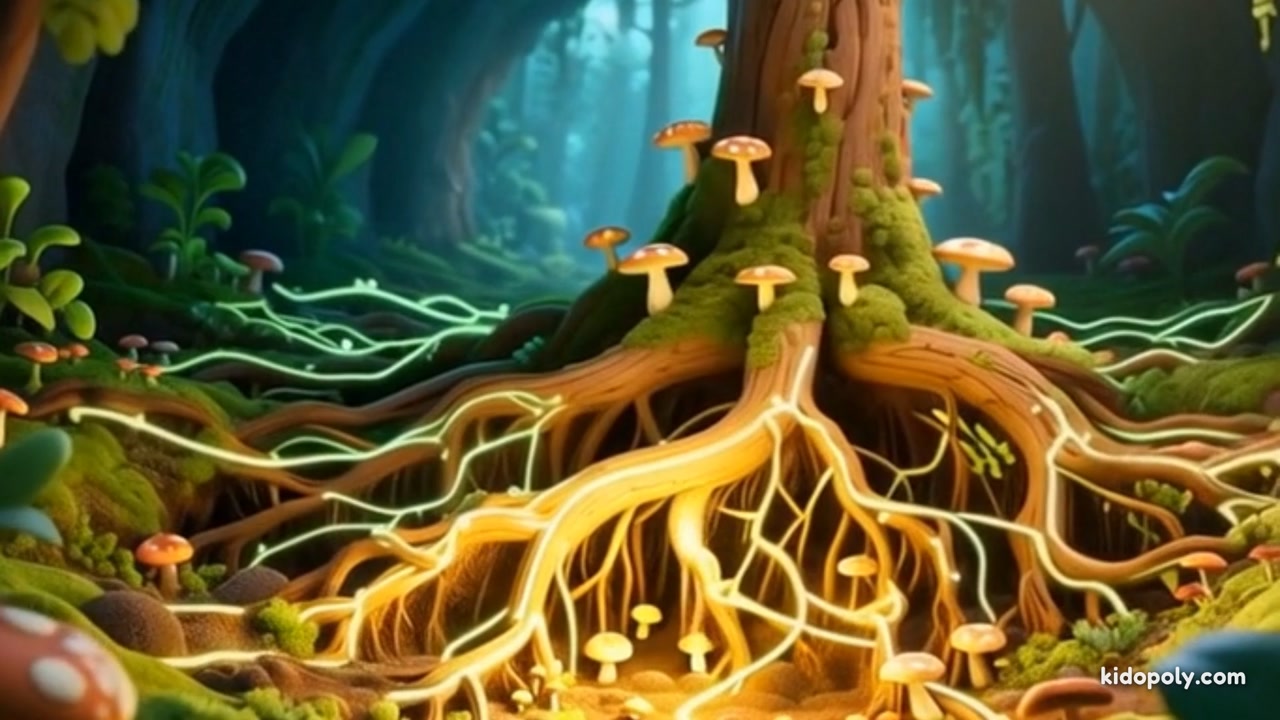
Have you ever noticed how the forest floor stays clean even though thousands of leaves fall every year? That is because of a hidden team of superheroes known as the FBI: Fungi, Bacteria, and Invertebrates! These amazing decomposers are nature's ultimate recycling crew. Without them, every branch that broke and every leaf that fell would stay exactly where it landed. Instead, these tiny workers break down tough materials like wood and dead grass, turning them into a rich, dark substance called humus. This recycled material is packed with energy that helps the next generation of trees grow tall and strong.

2Mighty Mushrooms and Spore Power

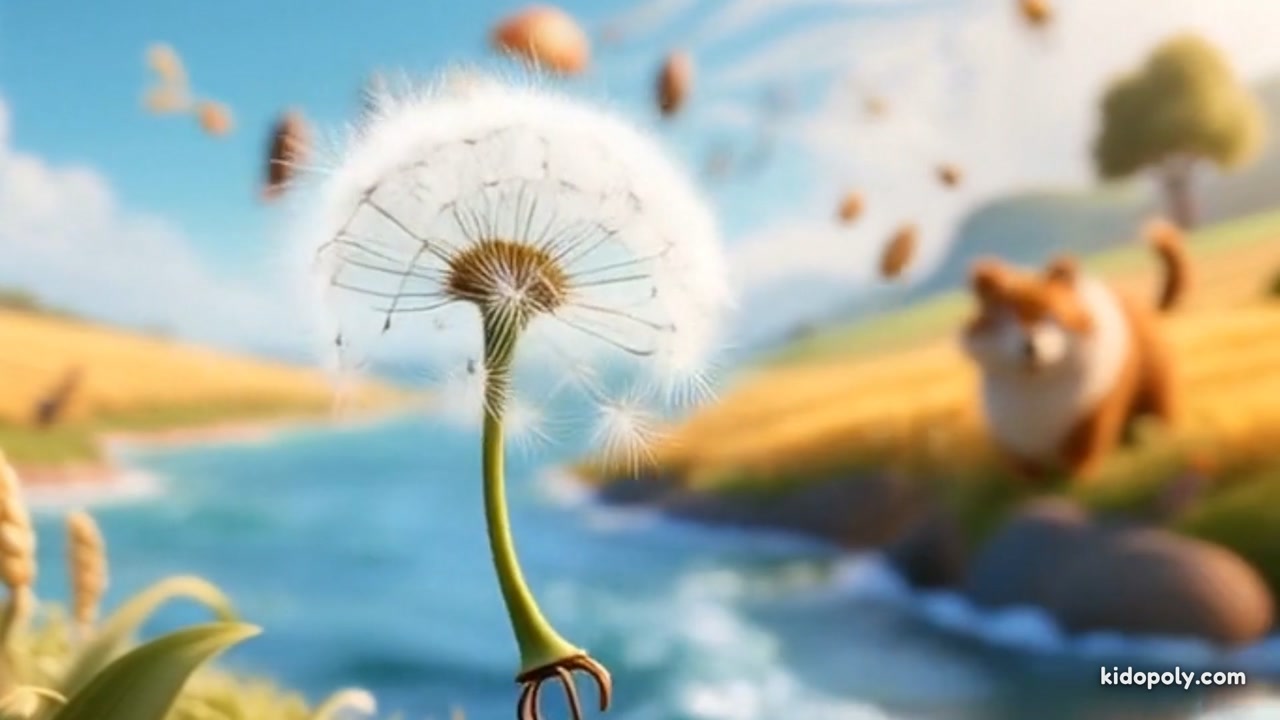
Fungi are some of the most famous decomposers you can see with your own eyes. While a mushroom might look like a simple plant, it is actually the "fruit" of a massive underground network of tiny threads. A single mushroom is a powerhouse of reproduction, capable of releasing billions of microscopic spores into the air. These spores travel on the wind like tiny astronauts, searching for new places to land and start the work of breaking down old logs. Fungi don't just eat dead things; they actually dissolve them using special chemicals, turning solid wood into liquid nutrients that the soil can soak up like a sponge.

3Underground Engineers and Heavy Lifters

Below your feet, millions of tiny animals are busy at work. Earthworms are the engineers of the underground, eating their way through the dirt and creating tunnels as they go. These tunnels are incredibly important because they act like secret hallways that allow air and water to reach the thirsty roots of plants. Meanwhile, in the insect world, the dung beetle is a champion weightlifter. These beetles can roll balls of waste that are many times heavier than their own bodies! By burying this waste, they move nutrients deep into the ground where plants need them most, ensuring the cycle of life never stops moving.
Video Transcript

Introduction

When leaves fall or animals die, they don't just disappear! Nature has a special clean-up crew called decomposers. These tiny creatures and fungi work tirelessly, breaking down dead things and turning them into fresh soil nutrients, helping new plants grow and keeping our environment healthy.

Key Facts

Did you know a single mushroom can release billions of tiny spores, spreading new fungi across the forest? Dung beetles can roll balls of animal waste many times their own size! Earthworms eat soil and dead plant matter, and their tunnels help air and water reach plant roots.

Think About It

What important job would be left undone if there were no decomposers in nature?

The Answer

Without decomposers, dead plants and animals would pile up everywhere, and the soil would quickly run out of the nutrients that new plants need to grow. The whole cycle of life would slow down or even stop.

Frequently Asked Questions

What are some examples of common decomposers?

The most common ones you can see are mushrooms, earthworms, and various types of beetles. There are also tiny bacteria and molds that are too small to see without a microscope but work just as hard. Together, they make up nature's invisible cleaning crew!

Why are decomposers called the 'recyclers' of the forest?

They earn this name because they take dead matter and turn it back into nutrients like nitrogen and phosphorus. These nutrients are then re-used by plants to grow new leaves and fruit. It is a perfect circle where nothing in nature ever goes to waste!

Can decomposers survive without dead plants and animals?

No, decomposers rely on dead organic material as their primary food source to get energy. If there were no dead things to break down, these creatures would run out of food and the soil would become empty. This is why every part of the ecosystem is so important!

How do earthworms help the soil while they eat?

As earthworms eat through dead leaves, they poop out 'castings' which are incredibly rich in plant food. They also dig deep tunnels that act like pipes, allowing oxygen and rainwater to reach the roots of trees. This keeps the ground healthy and soft instead of hard and dry.

Watch More Videos

Discover fun educational videos about science, history, animals, and more.

Explore All Videos
Audience Debug