Insects 1:00

Nature's Cleanup Crew for Kids

1The World’s Smallest Recyclers

In every forest, garden, and park, a tiny army is hard at work. These amazing creatures are called decomposers, and their job is to make sure nature stays clean and healthy. Imagine a forest where no leaves ever rotted and no old trees ever fell apart—it would be a giant pile of mess! Insects like ants and beetles act as nature's garbage collectors. They munch on organic waste and turn it into rich, dark soil that acts like vitamins for the earth. By breaking down the "old," they make room for "new" life to sprout and thrive.

2Meet the Specialist Workers

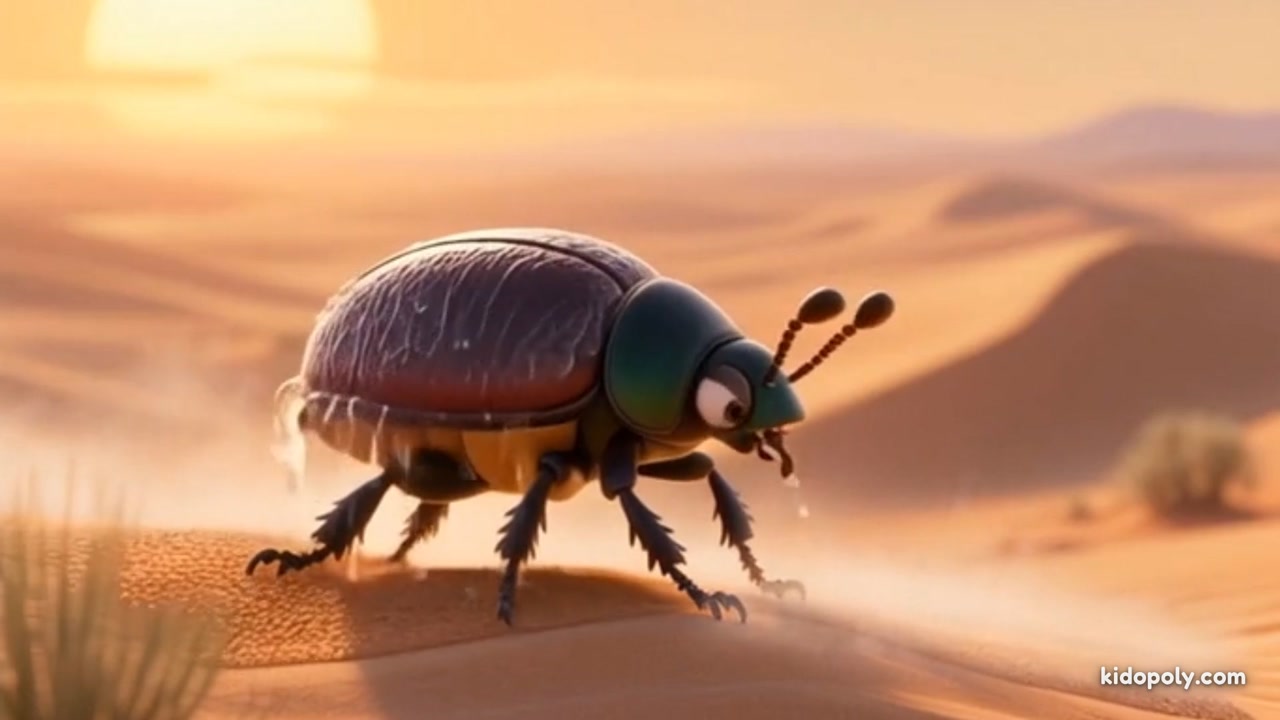
Different insects have very specific jobs in this cleanup crew. The dung beetle is famous for being one of the strongest animals on Earth; some species can pull over 1,000 times their own body weight! They roll up animal waste into perfect balls and bury them underground, which adds nutrients directly to the plant roots. Meanwhile, termites are the masters of wood recycling. While people might not want them in their houses, in the wild, termites are essential because they are some of the only creatures that can eat through tough, dead wood and turn it back into helpful minerals for the environment.

3Why the Cleanup Crew Matters

Without these "unsung heroes," the circle of life would come to a grinding halt. When insects eat dead plants and animals, they release important chemicals like nitrogen back into the ground. This process is like nature's way of recycling energy. If these bugs stopped working for just a few years, the ground would run out of the "super food" that trees and flowers need to grow. Every time you see a beetle scurrying through the leaves, remember that you are looking at a tiny environmentalist helping to keep our planet green, clean, and beautiful!
Video Transcript

Introduction

Who cleans up all the dead leaves, wood, and waste in nature? Tiny insects! They play a super important role, turning old things into fresh soil, helping plants grow. Without these amazing 'cleanup crews', our world would be a very messy place, and new life would struggle to thrive. They are true unsung heroes!

Key Facts

Did you know that dung beetles can roll a ball of animal droppings many times their own weight? They bury these balls to lay their eggs inside and provide food for their babies, which also helps enrich the soil for plants. Some fly larvae, like maggots, eat dead plants and animals, quickly recycling their nutrients back into the ecosystem. Termites are brilliant at breaking down dead wood, returning valuable nutrients to the soil.

Think About It

What important job do these 'cleanup crew' insects do for the environment?

The Answer

These insects are called 'decomposers'. Their important job is to break down dead plants, animals, and waste. This process releases valuable nutrients back into the soil, which acts like super food for new plants to grow. Without them, the Earth would be covered in old rubbish, and the circle of life would not be able to continue.

Frequently Asked Questions

What would happen if we didn't have decomposer insects?

Without decomposers, the world would be covered in dead leaves, fallen trees, and waste that never goes away. The soil would eventually run out of nutrients, making it impossible for new trees and plants to grow.

Are termites helpful or harmful to nature?

In nature, termites are incredibly helpful because they are the main recyclers of wood. They break down old logs that are too tough for other animals to eat, returning those nutrients to the earth to feed the forest.

How do dung beetles help the environment?

Dung beetles clean up animal waste by rolling it into balls and burying it deep in the ground. This acts as a natural fertilizer for the soil and helps prevent flies and pests from spreading germs.

Is a maggot actually an insect?

Yes, a maggot is the larva stage of a fly. While they might look a bit gross, they are super-fast eaters that can recycle dead plants and animals much quicker than almost any other creature in nature!

Watch More Videos

Discover fun educational videos about science, history, animals, and more.

Explore All Videos
Audience Debug