Ocean 1:00

Ocean's Secret Rooms for Kids

1Diving Through the Ocean Layers

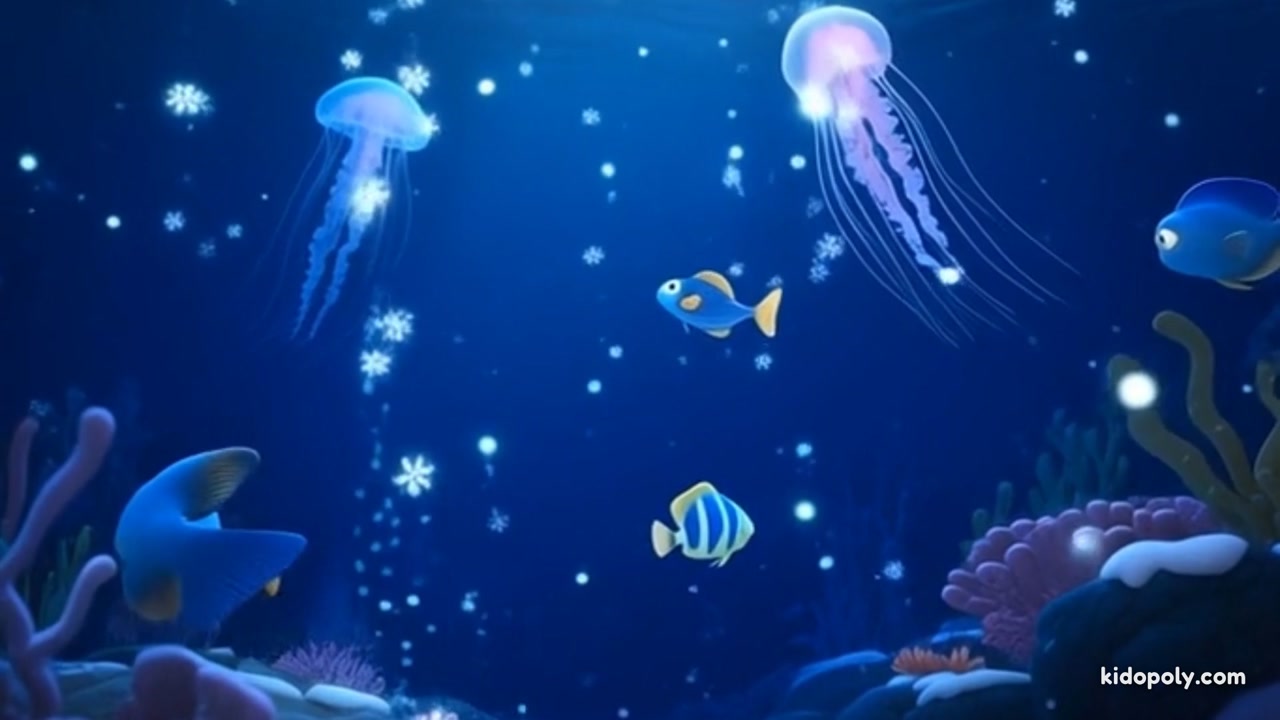
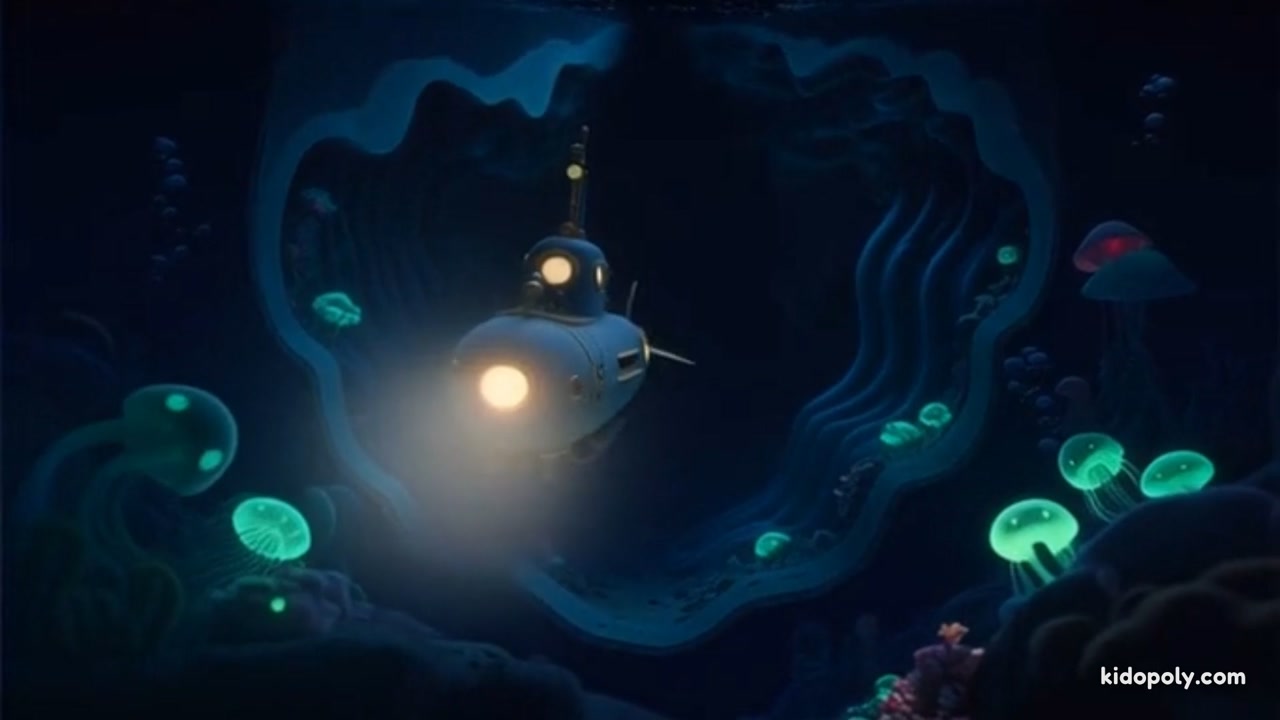
Imagine the ocean as a giant underwater skyscraper that goes down for miles! The very top floor is the Sunlight Zone, where the water is warm and clear. This is where 90% of all marine life lives because plants need the sun to grow. As you travel deeper to the Twilight Zone, the water gets chilly and the light starts to fade into a ghostly blue. By the time you reach the Midnight Zone, about 3,300 feet down, it is completely dark and the temperature stays just above freezing.

2Creatures of the Deep Dark

Living in the deepest "rooms" of the ocean is a huge challenge because of the intense water pressure. Down in the Abyss, the weight of the water above is like having dozens of elephants standing on your head! To survive, many deep-sea animals have squishy, jelly-like bodies instead of hard bones that might snap under the weight. Some fish, like the gulper eel, have huge mouths to catch any food that happens to float by, while others have no eyes at all since there is no light to see with anyway.

3Making Their Own Light

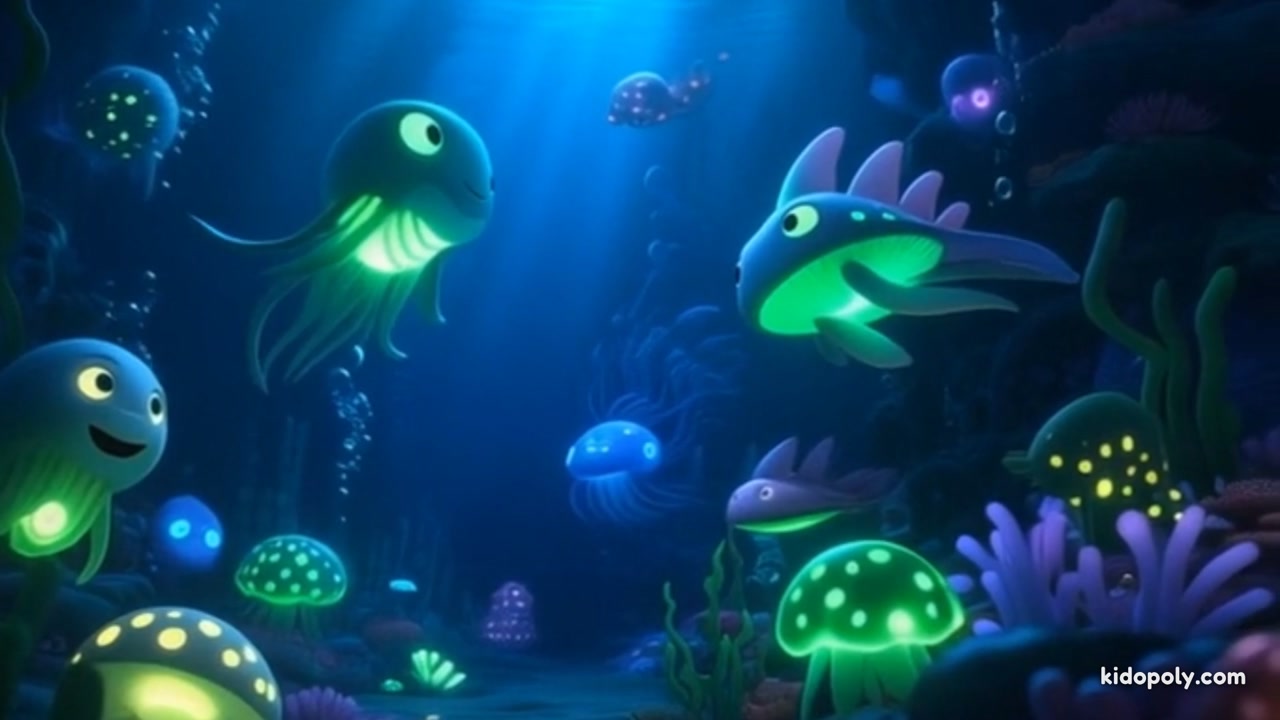
Since it is pitch black in the Midnight Zone, many creatures create their own "biological flashlights" through a process called bioluminescence. The famous Anglerfish uses a glowing lure on its head to trick smaller fish into coming closer. Other animals use flashes of light to talk to friends or scare away hungry predators. Scientists estimate that about 90% of animals living in the deep open ocean have some form of light-making ability, turning the dark depths into a sparkling underwater light show!
Video Transcript

Introduction

Our ocean is not just one big body of water; it is like a skyscraper with many different floors or 'zones,' each with its own special conditions. From the sunny surface to the crushing darkness of the deepest trenches, incredible creatures have adapted to live in these unique ocean rooms.

Key Facts

Did you know that the 'sunlight zone' is only the very top layer, reaching about 200 metres (650 feet) deep, where almost all ocean plants live? Below that is the 'twilight zone,' where only faint light reaches, and then the 'midnight zone,' which is completely dark, cold, and under immense pressure. Some creatures in the midnight zone have soft bodies to handle the extreme pressure!

Think About It

Why do animals living in the deepest, darkest ocean zones often look very different from animals living near the surface?

The Answer

Animals in the deep ocean have adapted to their extreme environment. They do not need good eyesight, so many have tiny eyes or no eyes at all. Some make their own light (bioluminescence) to find food or mates. They also often have soft, squishy bodies to cope with the incredible pressure, very different from the streamlined, bony fish found near the surface.

Frequently Asked Questions

How many zones are in the ocean?

There are five main layers, starting with the Sunlight Zone at the top and ending with the Hadal Zone in the deepest trenches. Each layer gets colder, darker, and has much higher pressure the further down you go.

Why is it called the Midnight Zone?

This layer is called the Midnight Zone because it is absolutely pitch black, just like the middle of the night. No sunlight can reach this deep, so the only light you'll see comes from animals that can glow in the dark!

How do deep-sea fish breathe?

Deep-sea fish use gills to take oxygen out of the water, just like fish near the surface do. However, because food is very scarce and it's extremely cold, many deep-sea creatures move very slowly to save their energy and oxygen.

What is the deepest part of the ocean?

The deepest part is the Mariana Trench, which is nearly 7 miles (11 kilometers) deep! If you dropped Mount Everest into it, the peak would still be more than a mile underwater.

Watch More Videos

Discover fun educational videos about science, history, animals, and more.

Explore All Videos
Audience Debug