1The Power of Underwater Hot Spots
Deep beneath the blue waves, our planet is incredibly busy! Most islands in the middle of the ocean aren't just floating pieces of land; they are actually the very tops of massive underwater mountains. This process often starts at a "hot spot," which is an extra-toasty area in Earth’s mantle where magma is pushed toward the surface. When this red-hot magma bursts through the ocean floor, it hits the cold seawater and cools down instantly, turning into solid rock. Over hundreds of thousands of years, eruption after eruption piles up more and more rock until the mountain finally breaks through the surface of the water.
2The Growing Giants of Hawaii
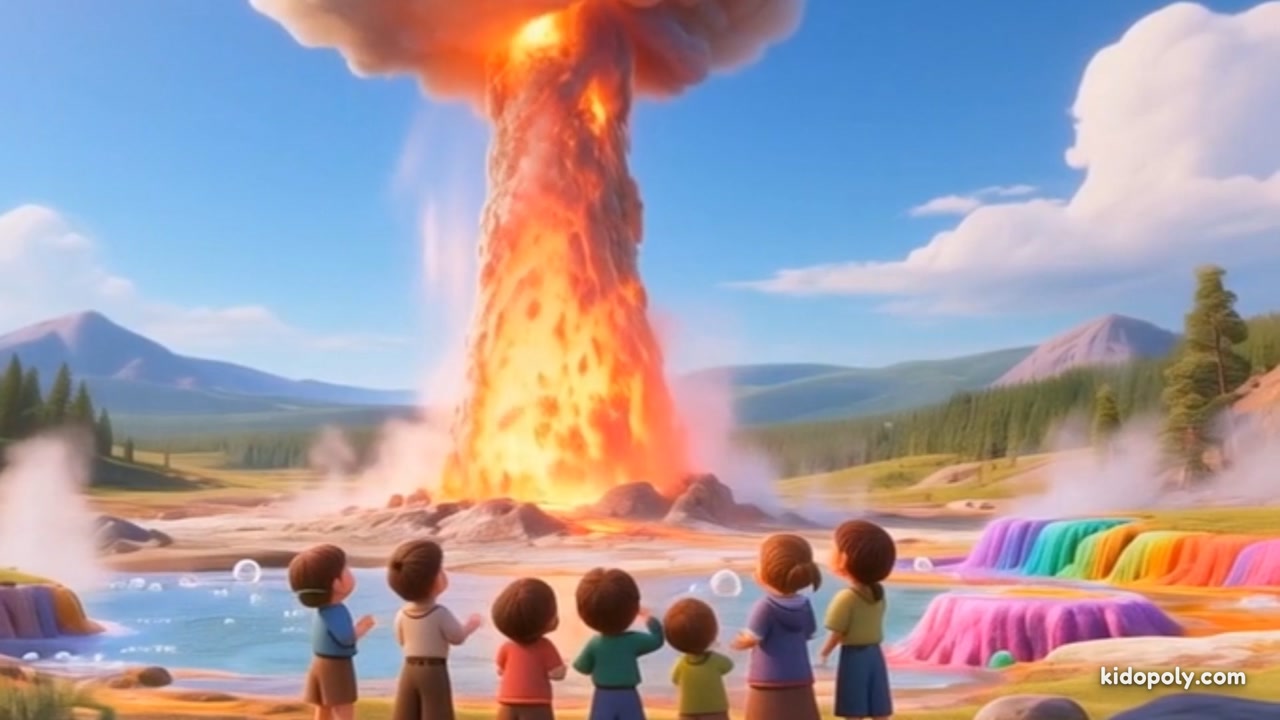
The Hawaiian Islands are the most famous examples of these volcanic builders. Did you know that Mauna Kea in Hawaii is technically the tallest mountain on Earth? If you measure from its base on the ocean floor to its peak, it stands over 33,000 feet tall—that is much taller than Mount Everest! The Big Island is the youngest member of the family and is still getting bigger every day. As the Kilauea volcano erupts, its glowing lava flows into the sea, cooling down and adding brand-new land to the coastline. It is like the Earth is adding new puzzle pieces to the map in real-time!
3The Great Cycle of Erosion
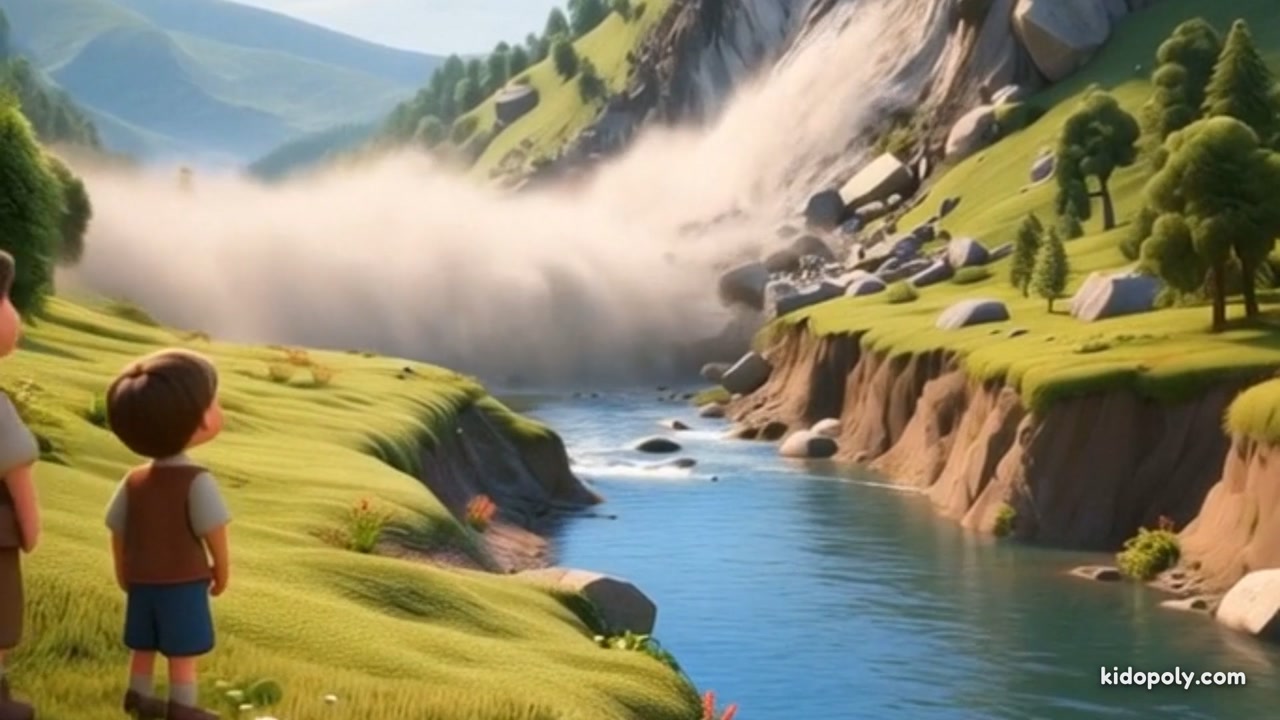
Islands don't stay the same size forever. Once a volcanic island moves away from its hot spot due to the shifting of tectonic plates, the volcano becomes inactive, or "extinct." Without new lava to build it up, the island begins a slow battle against the elements. Powerful ocean waves, heavy tropical rains, and strong winds slowly nibble away at the rock. Over millions of years, a tall mountain can be worn down into a flat island or a coral atoll. Eventually, some even sink back beneath the waves to become flat-topped underwater mountains called "guyots," completing a journey that lasted for ages.