1The Secret of Chromatophores
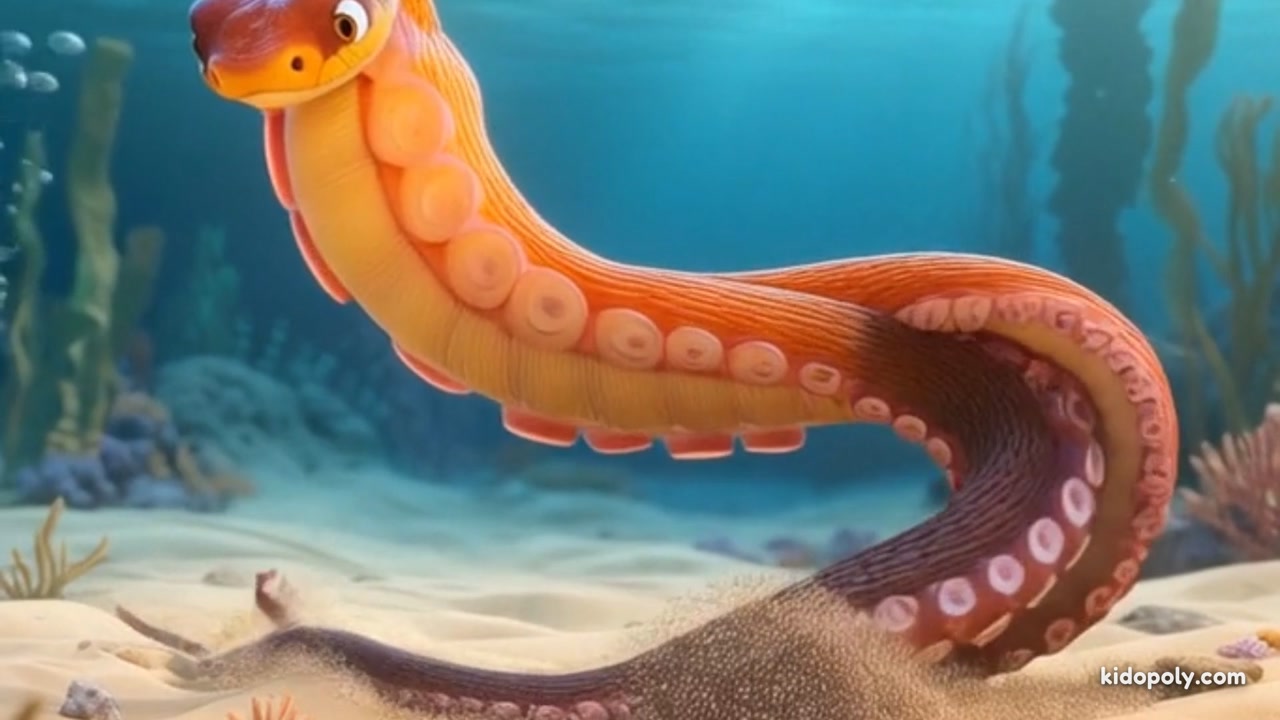
The ocean is full of hide-and-seek experts, but the octopus is the undisputed champion! These eight-armed wonders use millions of tiny, stretchy organs called chromatophores to transform their appearance in less than a second. Each cell is connected to the octopus's nervous system, meaning their brain sends a lightning-fast signal to muscles that pull the cells open or let them snap shut like a tiny rubber band. By mixing different colors together, an octopus can create patterns that look exactly like the ocean floor, even though scientists believe most octopuses are actually colorblind!
2Beyond Colors: Shape-Shifting Texture
Changing color is impressive, but octopuses have another trick on their skin! They can change the physical shape of their body surface using tiny bumps called papillae. By squeezing specific muscles, they can make their skin look jagged and rough like a piece of prickly coral or smooth and flat like a patch of wet sand. This 3D transformation creates shadows and highlights that break up the octopus's outline, making them nearly invisible to predators like sharks. It is so effective that a person could be swimming right next to one and never even notice it is there!
3Communicating Through Color
Camouflage isn't just for hiding; it is also a secret language. Scientists have discovered that octopuses use flashes of color to "talk" to one another and express their feelings. For example, a bright red color often means an octopus is feeling aggressive or defending its territory, while turning very pale or white can be a sign of fear or a desire to avoid a fight. Because they can control each part of their body independently, they can even show one pattern to a predator on their left and a completely different signal to a friend on their right. This incredible ability makes them the ultimate masters of disguise in the deep blue sea.