1Lighting the Ancient Fire
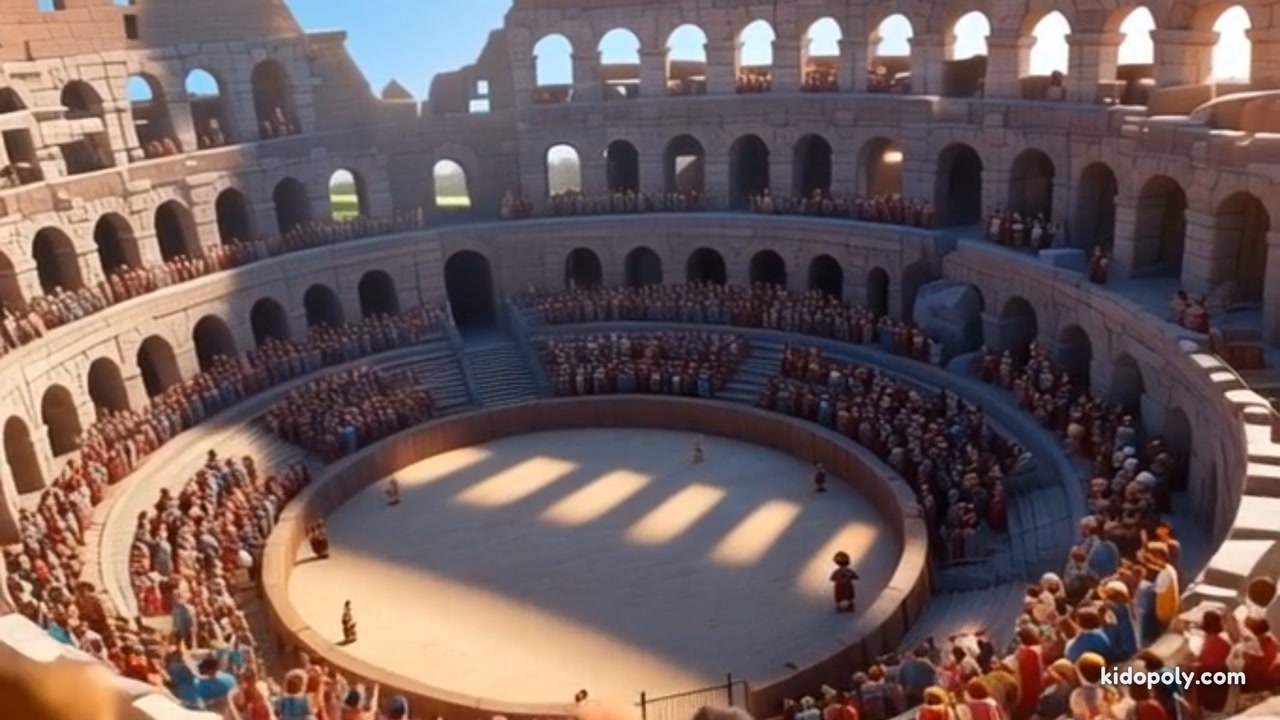
The journey begins in Olympia, Greece, the site of the ancient Olympic Games. High priestesses use a special curved tool called a parabolic mirror to catch the sun's rays and focus them into a single, intense point of heat to create a spark. This means the flame is actually started by "star power" from the sun! This ceremony happens several months before the opening of the Games to ensure there is plenty of time for the flame to travel to the host city, no matter how far away it is on the globe.
2Super Science in the Torch
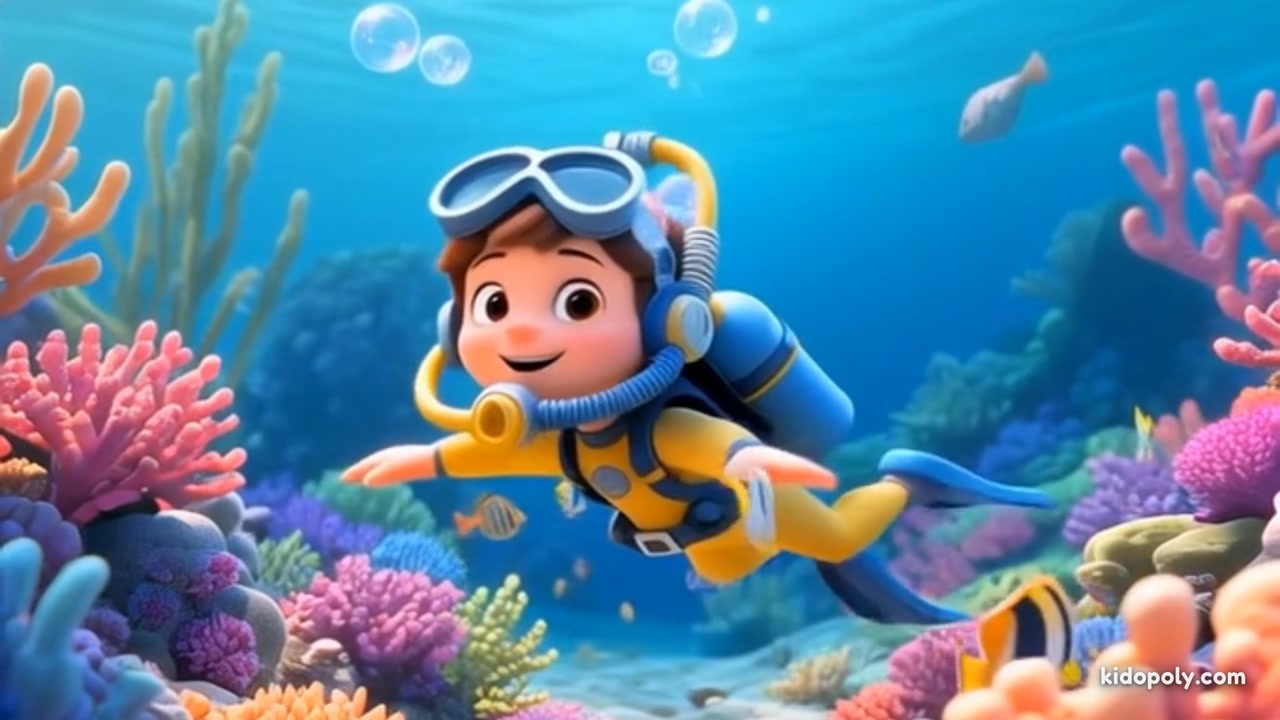
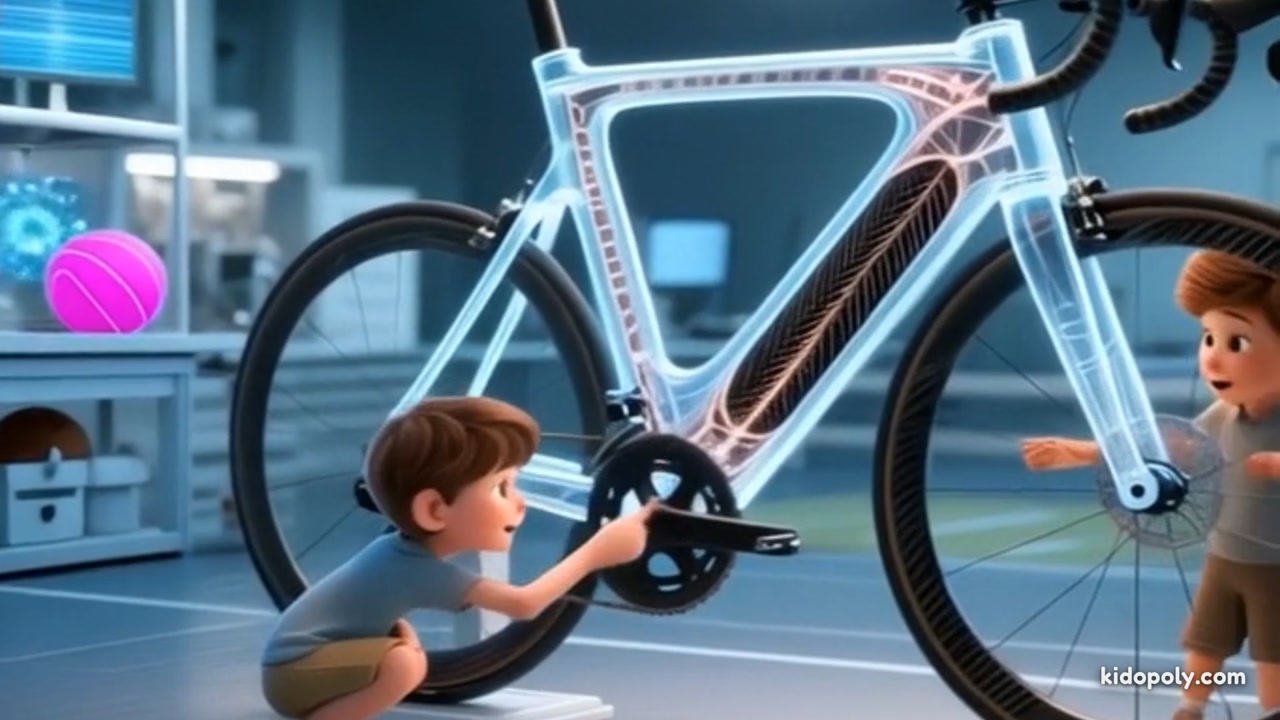
How does the flame stay lit through a hurricane or a snowstorm? Engineers design the modern torch with a clever dual-burner system. One part of the flame is hot and blue, hidden deep inside the torch to keep the system warm and stable, while the external part is bright orange so it can be seen from far away. Using a pressurized fuel mixture of gases like propane and butane, the torch can withstand winds of up to 50 miles per hour. Incredibly, designers have even created special flares that allow the flame to stay burning while submerged underwater, as seen during the Sydney 2000 relay at the Great Barrier Reef!
3A Journey of Unity and Peace
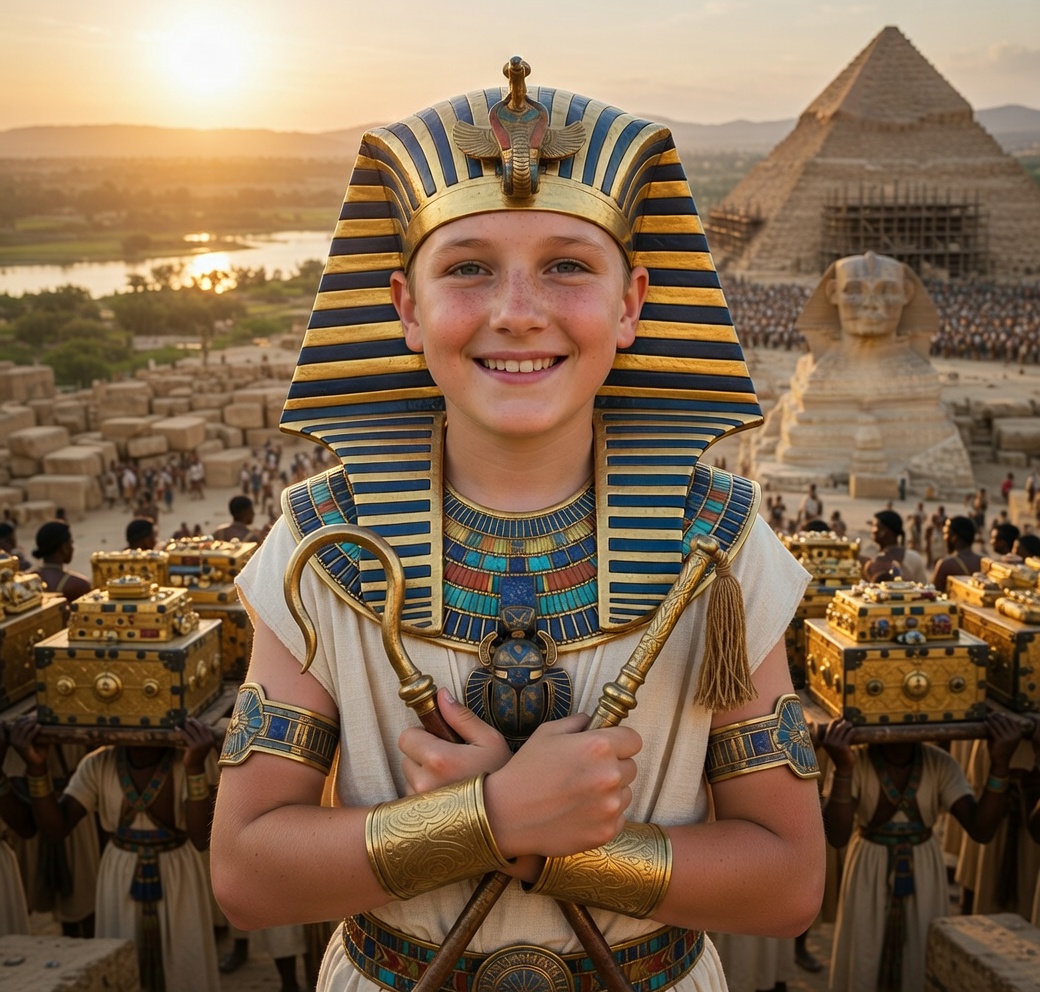
The Olympic Torch Relay is much more than a long-distance race; it is a giant global celebration of friendship. Thousands of people, called torchbearers, take turns carrying the flame, usually for about 200 meters each. The flame has traveled in some truly wild ways, including by horseback, camel, canoe, and even on the International Space Station! By the time the final runner enters the stadium to light the giant cauldron, the flame has often traveled over 12,000 miles (20,000 kilometers), carrying a message of peace to every community it passes through along the way.