Food 1:00

Plants Make Food for Kids

1Nature's Solar Powered Chefs

Plants are the only living things on Earth that can cook their own meals without using a stove or a microwave! Imagine if you could stand in the sun for a few minutes and feel your tummy get full. That is exactly what plants do every single day. Inside their leaves, they have tiny "kitchens" called chloroplasts. These kitchens use a green pigment called chlorophyll to catch sunlight, acting just like a solar panel on a roof. By catching this light energy, plants can start the amazing process of building their own snacks from scratch!

2The Secret Recipe for Plant Fuel

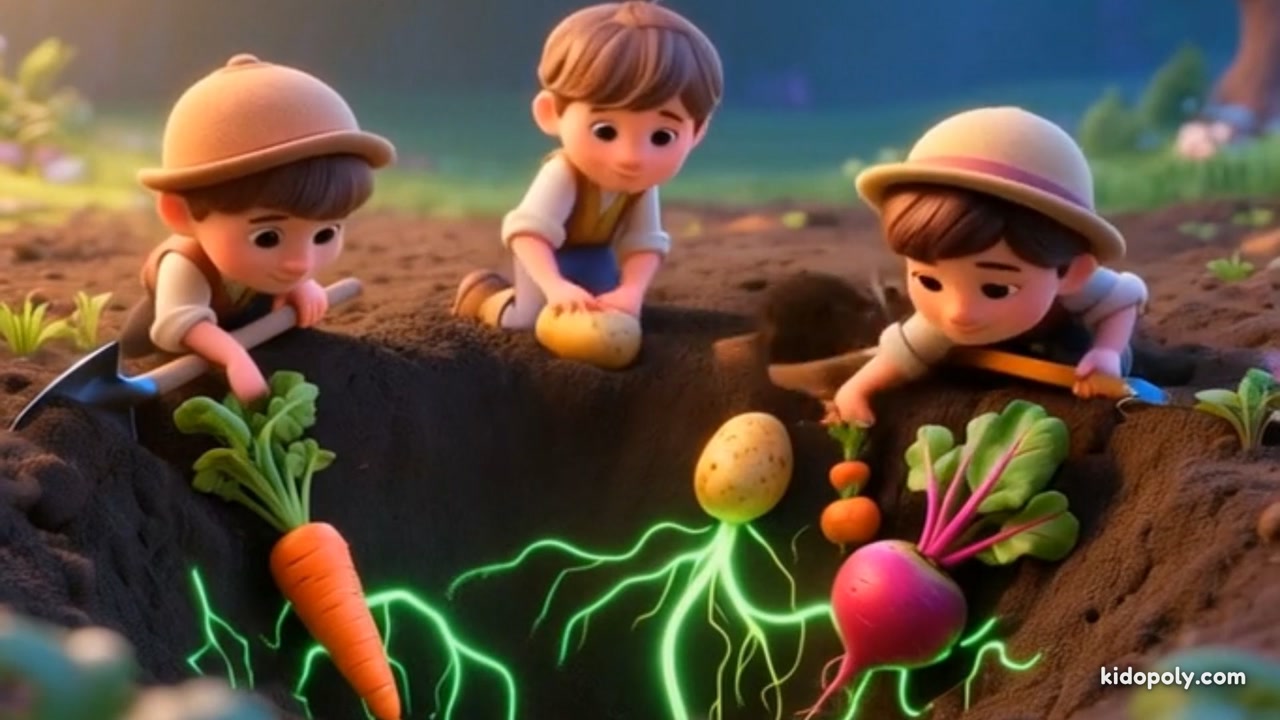
To make their sugary food, plants need three main ingredients: sunlight, water, and carbon dioxide. They drink water through their roots, almost like using a long straw hidden underground, and pull in carbon dioxide gas from the air through tiny holes in their leaves called stomata. When the sun shines, the plant mixes these ingredients together to create glucose, which is a type of sugar. This sugar gives the plant the energy it needs to grow tall, bloom beautiful flowers, and produce the crunchy fruits and vegetables we love to eat.

3Breathing for the Planet

While plants are busy making their food, they also do something incredibly helpful for humans and animals. As a byproduct of photosynthesis, they release fresh oxygen back into the atmosphere. This is the very gas we need to breathe! In fact, one large tree can provide enough oxygen for up to four people to breathe for a whole day. Without these green food factories, our planet would not have enough oxygen or food to support life. This is why keeping our forests and gardens healthy is one of the most important jobs we have!
Video Transcript

Introduction

Have you ever wondered how plants, like the vegetables and fruits we eat, get their energy? They are like amazing food factories that make their own food! Using sunlight, water from the ground, and a gas called carbon dioxide from the air, plants perform a special trick called photosynthesis to create their own sugary fuel.

Key Facts

Did you know that the green colour in plants comes from a special ingredient called chlorophyll, which is super important for capturing sunlight? Also, during photosynthesis, plants release oxygen, the very gas we breathe, making them essential for life on Earth!

Think About It

What might happen to all living things if plants stopped performing photosynthesis?

The Answer

If plants stopped performing photosynthesis, it would be a huge problem! Plants would not be able to make their own food, so they would die. Then, all the animals that eat plants would have nothing to eat, and eventually, the animals that eat other animals would also run out of food. Plus, there would be no fresh oxygen for us to breathe!

Frequently Asked Questions

What is photosynthesis?

Photosynthesis is the amazing process where green plants use sunlight to turn water and carbon dioxide into sugary food. It is a natural chemical reaction that happens inside the leaves of almost every plant on Earth!

Can plants make food without sunlight?

Most plants need sunlight to power their food factories, though some can survive in very low light. However, without any light at all, the process of photosynthesis stops and the plant will eventually run out of energy and die.

Why are most plants green?

Plants are green because they contain a special ingredient called chlorophyll. This chemical is great at absorbing red and blue light from the sun, but it reflects green light, which is what we see when we look at a leaf!

Do plants eat soil to grow?

Plants don't actually 'eat' soil, but they do use their roots to suck up important minerals and nutrients from it. Think of the soil like a multivitamin that helps the plant stay strong while it makes its real food from the sun.

Watch More Videos

Discover fun educational videos about science, history, animals, and more.

Explore All Videos
Audience Debug