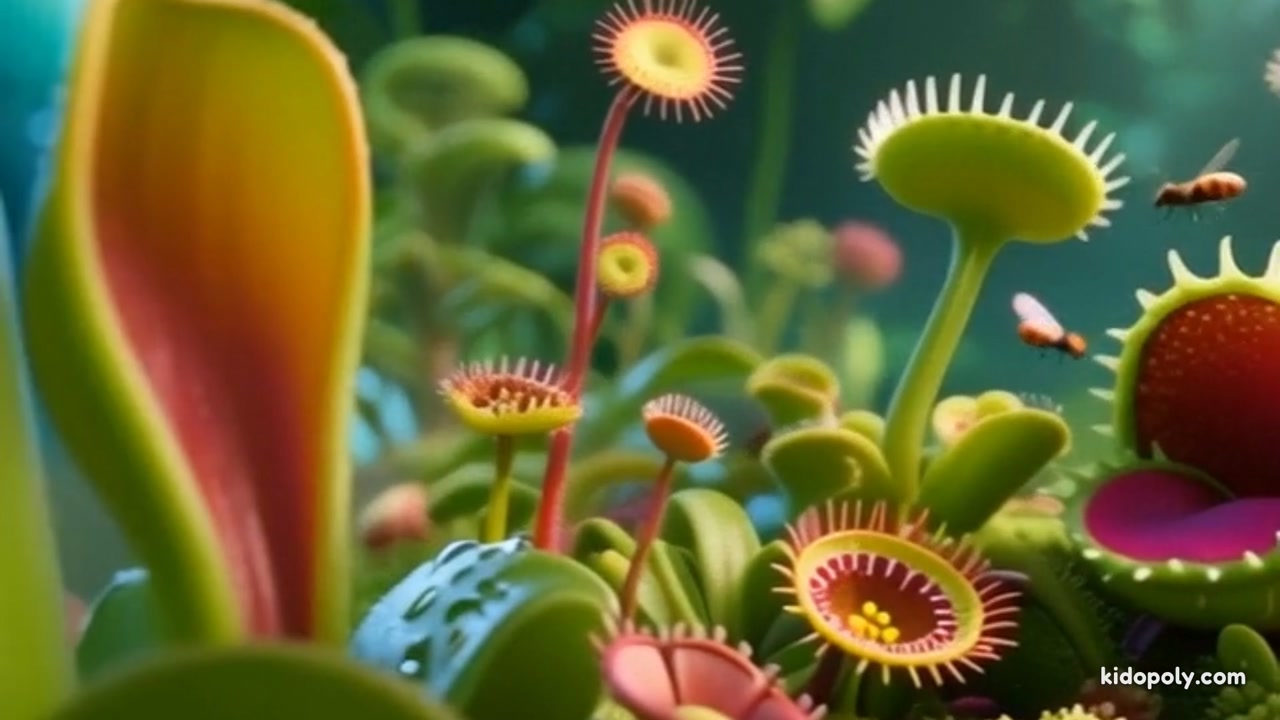
Plants 1:00

Plants Pretend Play for Kids

1The Secret Life of Plant Actors

Imagine walking through a garden where the flowers are actually professional actors! This is the incredible world of plant mimicry, a biological superpower where species use clever disguises to stay safe or grow their families. Unlike humans who use costumes for fun, plants use "pretend play" as a serious survival tool. By evolving to look like something they aren't, these botanical magicians have mastered the art of the trick, proving that you don't need a brain to be incredibly smart in the wild.

2Masters of the Desert Disguise

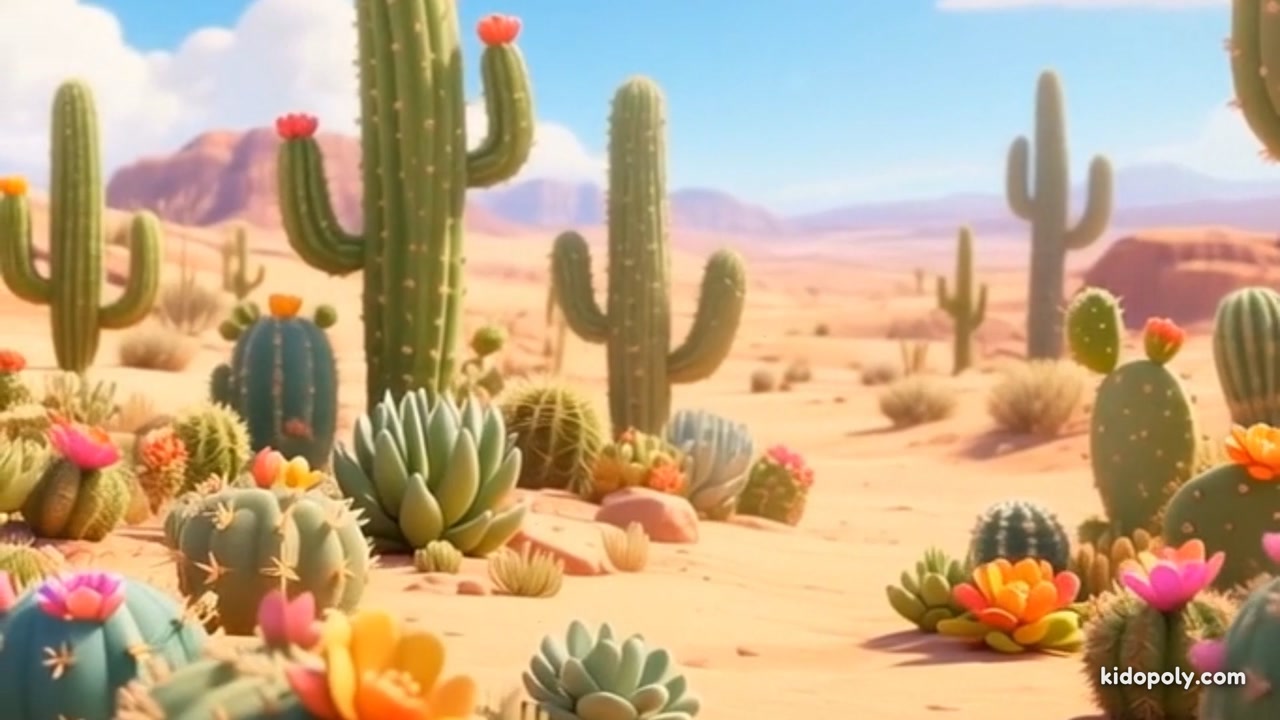
One of the most famous actors in the plant kingdom is the Lithops, also known as the Stone Plant. These tiny survivors live in the dry deserts of southern Africa where water is very hard to find. Because Lithops are full of juicy water, they would be a tasty snack for a thirsty animal. To stay safe, they have evolved to look exactly like the small, colorful pebbles surrounding them! They stay so still and look so much like rocks that even the hungriest animals walk right past them without realizing they've missed a meal.

3Tricking the Insect World

Plants don't just mimic rocks; some are experts at pretending to be animals too! The Hammer Orchid is a master of this trick. It doesn't just look like a female wasp; it even releases a special scent that smells exactly like one. When a male wasp is tricked into visiting the flower, he accidentally picks up pollen. As he flies to the next "fake" wasp, he delivers that pollen, helping the orchid create new seeds. From looking like dangerous predators to mimicking bird droppings to avoid being eaten, the world of plant disguises is full of amazing surprises!
Video Transcript

Introduction

Some plants are incredible actors! They pretend to be other things to trick animals, often to help them spread their pollen or seeds. This clever trick is called mimicry, and it shows just how smart plants can be, using disguises to ensure their survival and help new plant babies grow.

Key Facts

Did you know that some orchid flowers look and even smell exactly like female bees? Male bees are tricked into trying to mate with the flower, and as they do, they pick up pollen, helping the orchid spread its seeds without offering any nectar! Another plant, the Stone Plant, looks exactly like small rocks to avoid being eaten.

Think About It

If a plant can pretend to be a rock to hide from hungry animals, what other things do you think plants might pretend to be to survive?

The Answer

A plant might pretend to be a dangerous animal to scare away eaters, or a different type of plant that animals do not like to eat. It could also mimic a dead plant, so animals think it is not fresh or tasty. The possibilities are endless for clever plant disguises!

Frequently Asked Questions

What is plant mimicry?

Mimicry is a special survival strategy where a plant evolves to look, smell, or feel like something else to trick animals. This helps the plant survive by either hiding from predators who want to eat it or attracting helpers like bees to move its pollen.

Can a plant really look like a rock?

Yes! A group of plants called Lithops are often called 'living stones' because their shape and color match the pebbles in their desert home. This disguise is so good that animals can't tell the difference between the plant and a real rock.

Do plants use smells to trick animals?

They certainly do! Some orchids produce specific scents that mimic the pheromones of female insects. This tricks male bugs into landing on the flower, which allows the plant to stick pollen onto the bug so it can be carried to other flowers.

Why do plants need to use disguises?

Plants use disguises primarily for protection and reproduction. By looking like something else, they can avoid being eaten by herbivores or trick insects into helping them spread their seeds and pollen without having to give away any nectar in return.

Watch More Videos

Discover fun educational videos about science, history, animals, and more.

Explore All Videos
Audience Debug