Science 1:00

Plants' Secret Scents for Kids

1The Invisible Language of Leaves

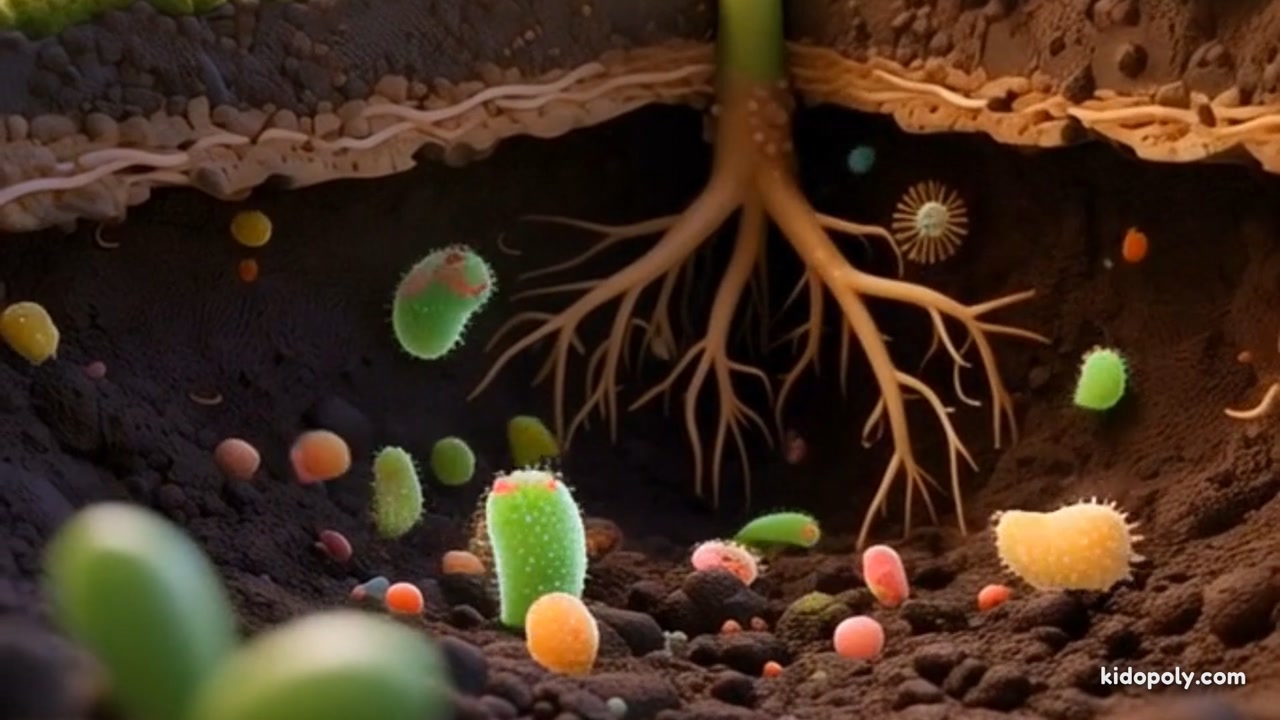
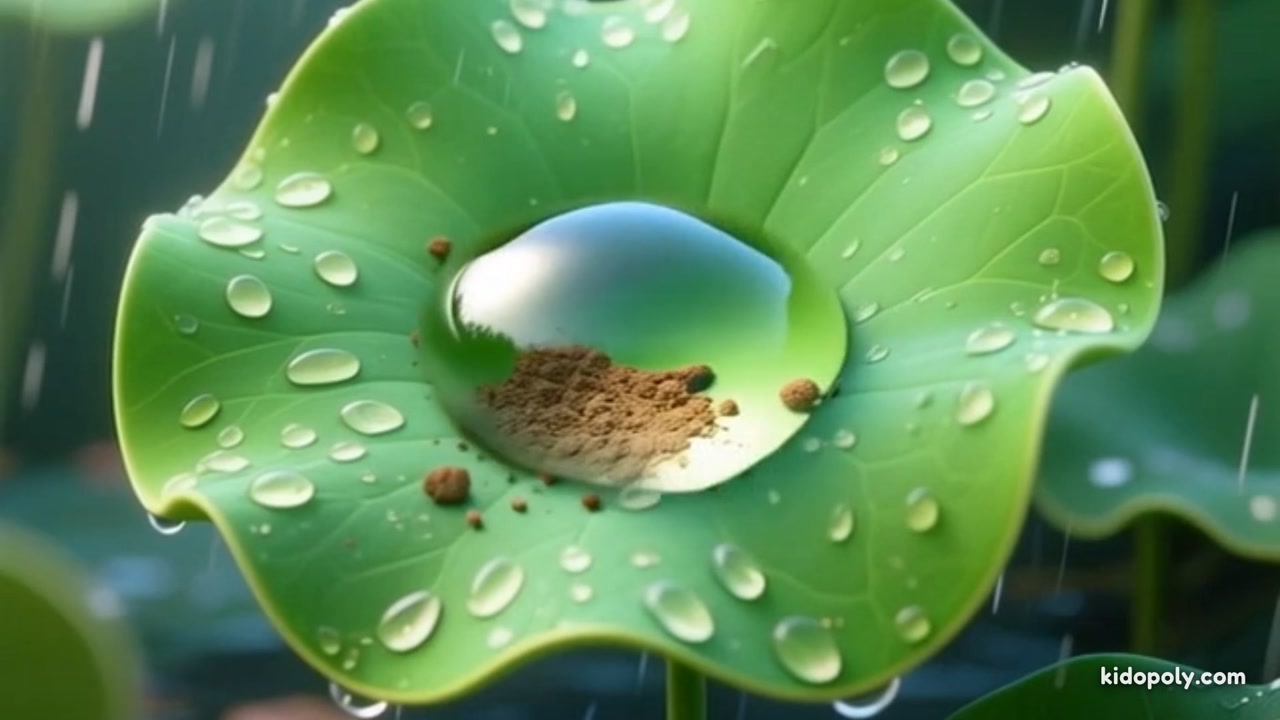
Plants might look like they are just sitting still in the sun, but they are actually very chatty! Instead of using words like humans do, plants communicate using Volatile Organic Compounds, or VOCs. These are tiny chemical "perfumes" that float through the garden like invisible mail. When a caterpillar takes a bite of a leaf, the plant senses the damage and instantly releases a specific scent. It is like an alarm bell ringing through the air, telling every other leaf and neighboring plant nearby to watch out for hungry visitors!

2Calling for the Bug Police

One of the most amazing parts of this secret language is how plants call for backup. Some plants can actually identify exactly which bug is eating them just by the "taste" of the insect's saliva. They then release a very specific scent that acts like a 911 call to "bodyguard" insects. For example, a corn plant being eaten by caterpillars can release a scent that invites parasitic wasps to come to the rescue. These wasps stop the caterpillars from eating, effectively saving the plant from becoming a bug's lunch!

3A Chatty Green Neighborhood

This "smelly" network isn't just for emergencies; it helps the whole ecosystem thrive. Plants use scents to tell bees where the best nectar is hidden or to warn their own distant branches to prepare for a coming storm or drought. Scientists have discovered that trees in a forest can even share information with their "siblings" through these air-borne signals. By understanding these secret scents, we can see that nature is much more active and connected than it looks at first glance. Every garden is a busy hub of chemical conversations!
Video Transcript

Introduction

Did you know that plants can "talk" to each other and to insects using special smells? These are not just pleasant flower scents; they are secret chemical messages! Plants release these invisible signals into the air to warn neighbours about danger, like hungry bugs, or to invite helpful insects, like bees, to visit and spread their pollen.

Key Facts

Did you know that when a plant is being eaten by an insect, it can release specific chemical smells that tell other nearby plants to prepare their defences, like making their leaves taste bad? Also, some plants release scents that attract particular predators to the insects eating them, turning the tables on their attackers!

Think About It

How can a plant sending a 'smelly' warning help its neighbours even if they are not connected?

The Answer

When a plant sends out a smelly warning, these invisible chemicals float through the air. Nearby plants can 'smell' these chemicals and understand that there is danger, like pests, approaching. This gives them time to get ready, perhaps by making their leaves tougher or producing chemicals that taste unpleasant to insects, helping them protect themselves.

Frequently Asked Questions

Can plants actually smell other plants?

Yes, in their own special way! While plants do not have noses, they have tiny receptors that can detect chemical particles floating in the air. When they 'catch a whiff' of a warning signal, they begin changing their own leaf chemistry to make themselves taste bitter or become tougher to eat.

Do all plants have a secret language?

Most plants have some way of sending chemical signals to their environment to help them survive. Whether it is a giant oak tree in a forest or a small tomato plant in your backyard, they are all part of a complex, invisible conversation with the world around them.

Why do flowers smell so good to people?

Flowers use sweet smells as a lure to attract pollinators like bees, butterflies, and even bats. These animals follow the scent like a treasure map to find nectar, and while they eat, they accidentally help the plant grow seeds by moving pollen from one flower to another.

Can plants warn each other about things besides bugs?

Absolutely! Plants can send signals about diseases, a lack of water, or even if it is getting too crowded in the soil. These chemical messages help the whole group of plants prepare for difficult times together, making the entire neighborhood stronger.

Watch More Videos

Discover fun educational videos about science, history, animals, and more.

Explore All Videos
Audience Debug