Inventions 1:00

Post-it Notes for Kids

1The Glue That Wouldn't Stay Stuck

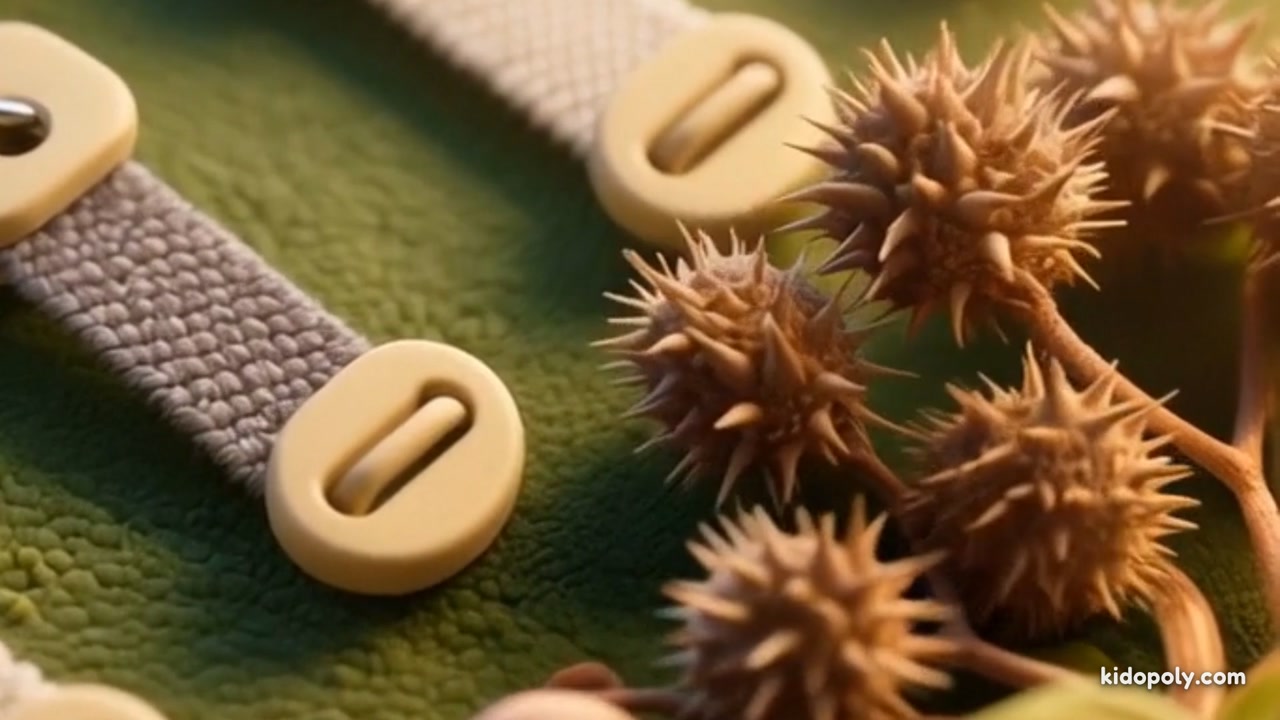
In 1968, a scientist named Spencer Silver was working at a big company called 3M. He was trying to invent a super-strong adhesive for the aerospace industry—something strong enough to hold airplanes together! Instead, he accidentally created something very different: a "low-tack" glue. This glue was made of tiny, microscopic spheres that were incredibly sticky but only touched surfaces at a few points. This meant the glue could hold a piece of paper in place but allowed it to be peeled off easily without leaving any sticky mess behind. For years, nobody knew what to do with this "weak" invention!

2The Singing Scientist's Big Idea

The breakthrough happened five years later thanks to another scientist named Art Fry. Art sang in a church choir and was constantly frustrated because his paper bookmarks kept falling out of his hymn book. He remembered Spencer Silver’s unusual glue and realized it would make the perfect bookmark! He coated some yellow paper with the adhesive, and the Post-it Note was born. Fun fact: the iconic canary yellow color was actually another accident. When the team was testing the product, the lab next door only had yellow scrap paper available, so that is what they used!

3Turning Failures Into Success

It took several more years for the world to realize how useful these sticky little squares were. They were officially launched in stores in 1980 and became an overnight sensation. Today, 3M produces over 50 billion Post-it Notes every single year! The story of the Post-it Note is one of the best examples of a "growth mindset." It shows us that just because an experiment doesn't give the result you expected, it doesn't mean you failed. Sometimes, a mistake is just the first step toward a brilliant new discovery that changes the world.
Video Transcript

Introduction

Have you ever written a quick reminder and stuck it somewhere important? That's thanks to the Post-it Note, a clever invention that almost didn't happen! It was created when a scientist accidentally made a "weak" glue that stuck gently but could be removed easily without leaving a mark. This "failure" became a huge success, showing that sometimes mistakes can lead to the best ideas.

Key Facts

Did you know the inventor, Spencer Silver, was trying to create a super-strong adhesive for aerospace at 3M, but instead made a "low-tack" glue? Did you also know that his colleague, Art Fry, later realised this "weak" glue would be perfect for marking pages in his hymn book without damaging them, leading to the Post-it Note we use today?

Think About It

What makes a Post-it Note's glue special compared to other glues?

The Answer

Post-it Note glue is special because it's designed to be temporary. It has tiny, hollow spheres filled with adhesive that are very weak individually, but together they create enough stickiness to hold the note in place. The spheres also mean only a small part of the surface touches the glue, making it easy to peel off without leaving residue or tearing the paper.

Frequently Asked Questions

Who actually invented the Post-it Note?

The Post-it Note was a team effort between two scientists: Spencer Silver, who accidentally invented the special 'weak' glue in 1968, and Art Fry, who came up with the idea to use it on paper notes in 1974.

Why are most Post-it Notes yellow?

The original notes were yellow by pure chance! When the inventors were first testing the idea in their lab, the only scrap paper they could find in the office next door happened to be yellow, and the color stuck ever since.

How does the glue work without ruining paper?

The adhesive is made of tiny, hollow 'microspheres' that act like little pressure-sensitive bubbles. Because the spheres are round, only a tiny bit of the glue touches the paper at once, which provides enough grip to stay put but not enough to tear the fibers when you peel it off.

Can you recycle Post-it Notes?

Yes, you can! Most modern Post-it Notes are completely recyclable because the adhesive is removed during the paper de-inking process at recycling plants, so they don't hurt the environment.

Watch More Videos

Discover fun educational videos about science, history, animals, and more.

Explore All Videos
Audience Debug