1How Machine Learning Works
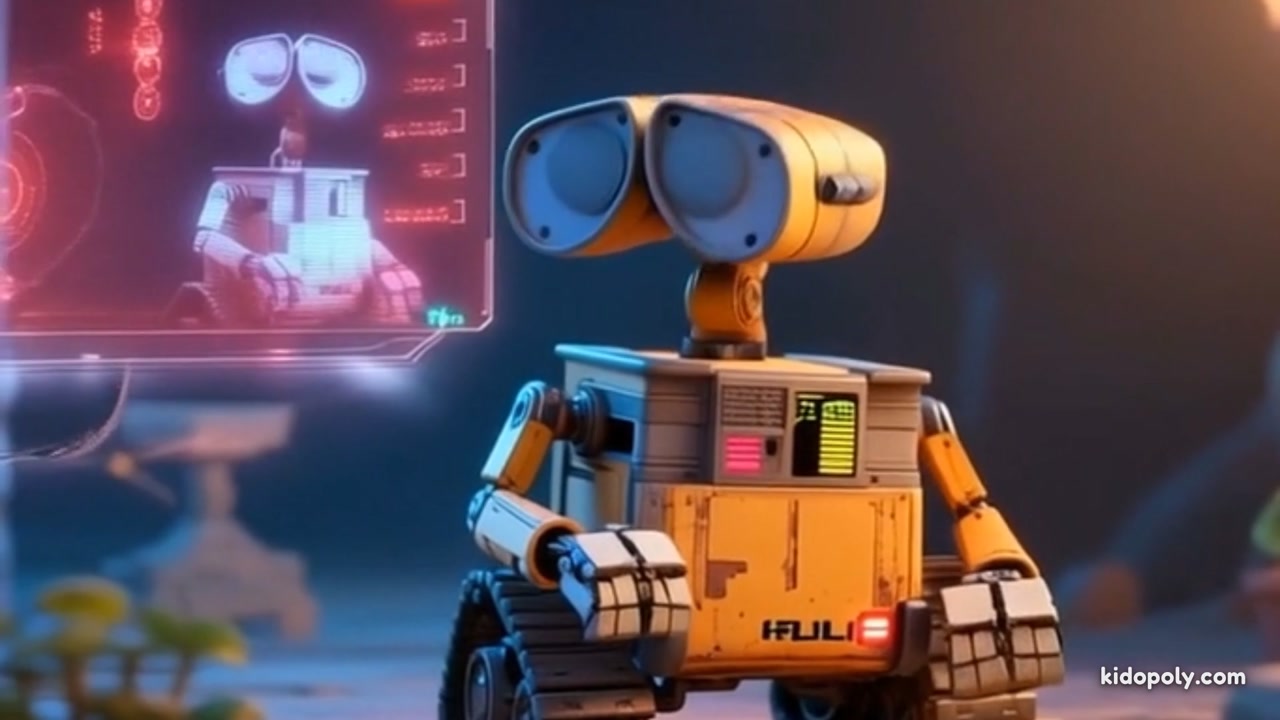
Robots don't just follow a set of rigid instructions anymore; they can actually learn on their own! This amazing process is called machine learning. Imagine showing a robot 10,000 pictures of a golden retriever. At first, the robot just sees a jumble of colors and pixels. However, after looking at enough examples, it starts to notice that dogs usually have specific shapes, like floppy ears or a waggy tail. By processing huge amounts of data, the robot builds a digital "brain" that can understand the world without a human needing to explain every tiny detail.
2Finding Patterns Everywhere
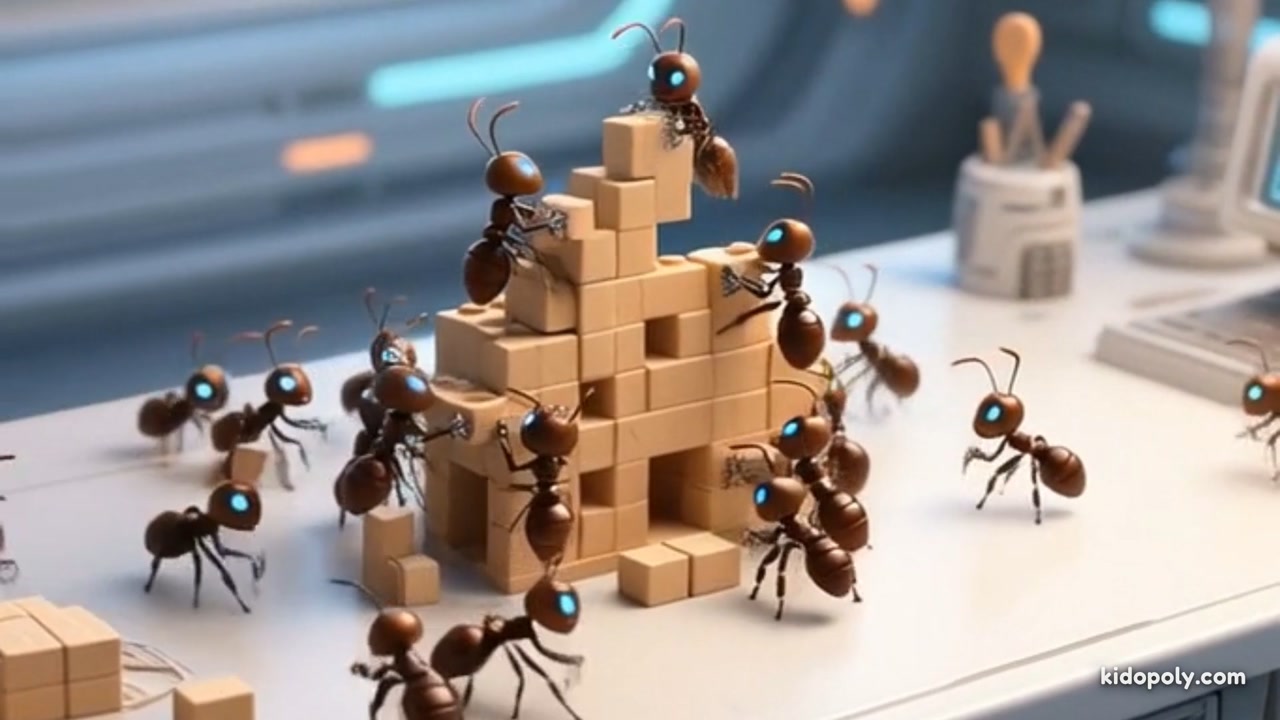
Robots use their pattern-finding skills for much more than just looking at photos. They use these same tricks to understand human speech by recognizing the unique "shapes" of different sounds and words. They can even help scientists predict the weather or help doctors find illnesses by searching through millions of medical records in seconds! Because a robot can look at massive amounts of information much faster than a person, it can spot hidden connections that the human eye might miss. This makes them incredible helpers for solving big, complicated problems.
3Practice Makes Perfect for Robots
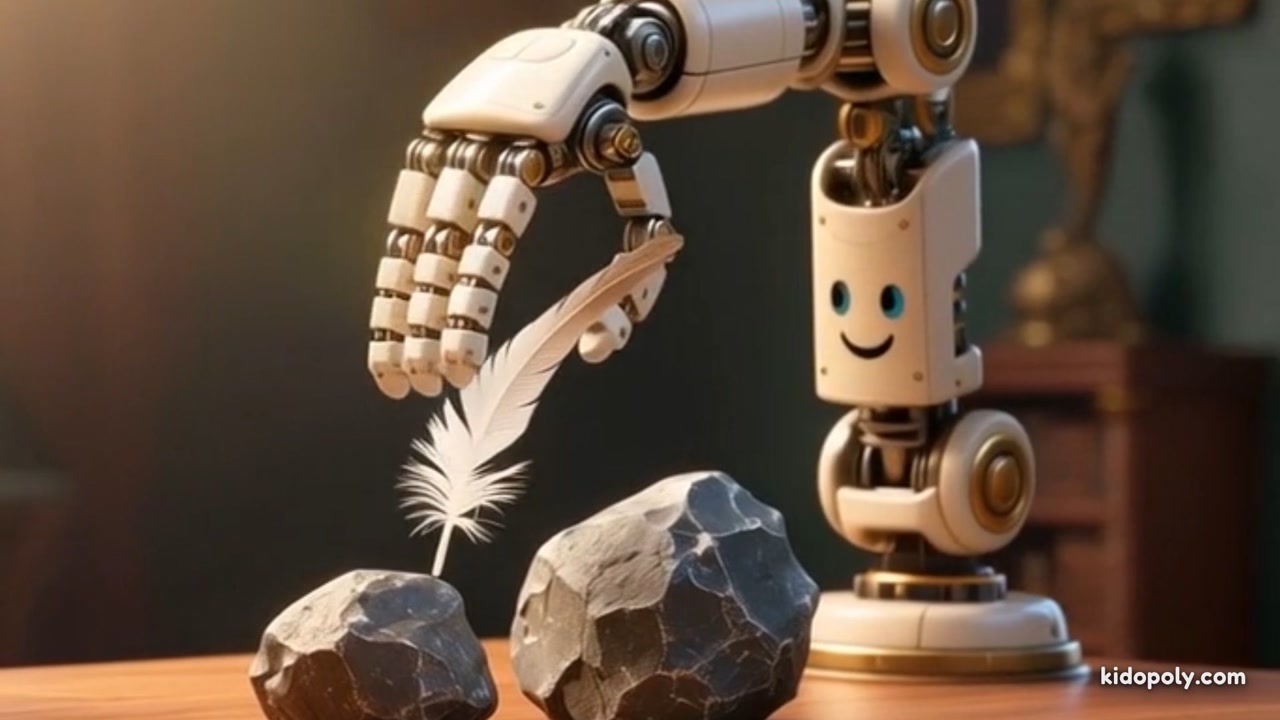
Just like you might need to practice a video game or a sport to get better, robots learn through trial and error. Engineers often use a method called reinforcement learning, which works like a game where the robot gets a digital "point" for doing something correctly. For example, if a robot is learning to walk, it might fall down thousands of times. Each time it falls, it analyzes what went wrong and adjusts its movement patterns until it can walk perfectly across the room. The more it tries, the smarter and more capable it becomes!