1Beyond Human Eyes
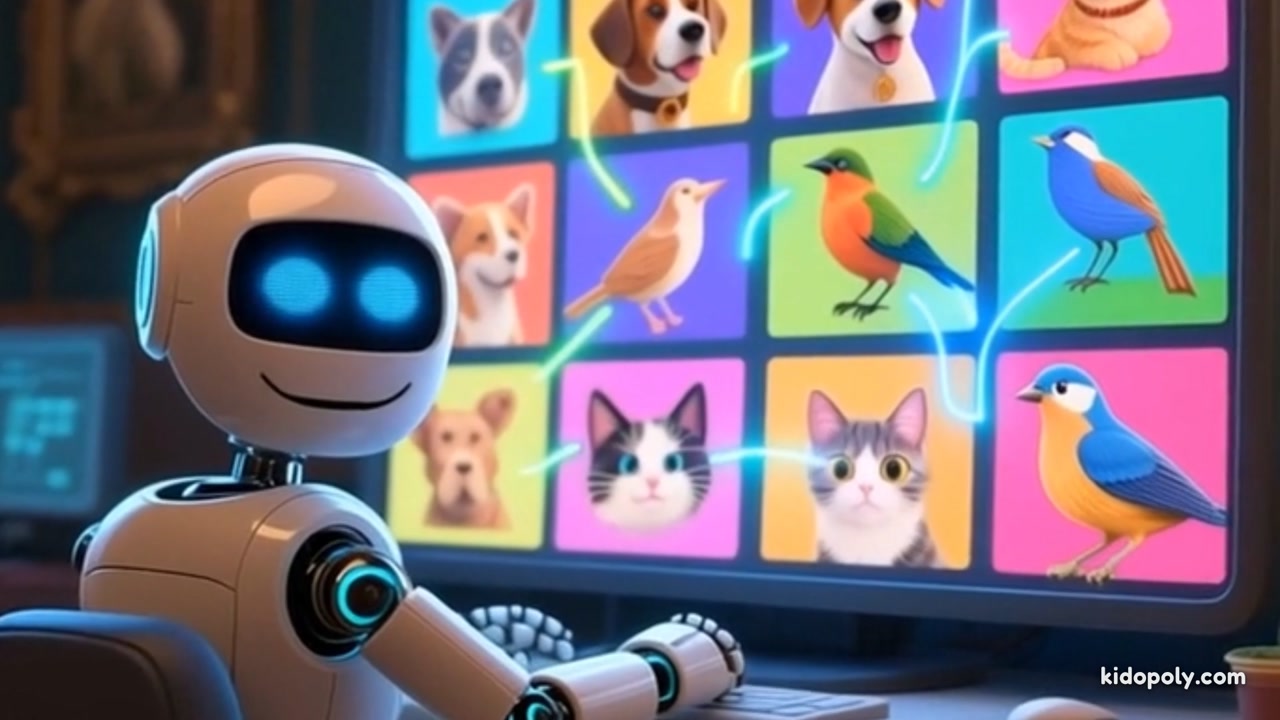
While humans rely on two eyes to see color and depth, robots can have dozens of "eyes" located all over their bodies! These specialized tools are called sensors. Unlike us, robots don't just see visible light; they can detect things that are totally invisible to the human eye. For example, many high-tech robots use LiDAR, which stands for Light Detection and Ranging. This sensor works by firing thousands of tiny laser pulses every second and measuring exactly how long they take to bounce back. This allows a robot to build a perfect 3D map of its surroundings, even in a room with no lights at all!
2Hearing with Light and Sound
Have you ever wondered how a self-driving car knows there is a obstacle in the street? It uses a clever mix of cameras and ultrasonic sensors. Ultrasonic sensors work almost exactly like a bat's echolocation. They send out high-frequency sound waves that hit an object and echo back to the robot. By timing that echo, the robot's computer brain knows exactly how many centimeters away a wall or a person is. Some robots even use infrared sensors to "see" heat signatures. This is incredibly helpful for search-and-rescue robots that need to find people trapped in dark or smoky buildings by looking for their warm body heat.
3Building a Robot Super Brain
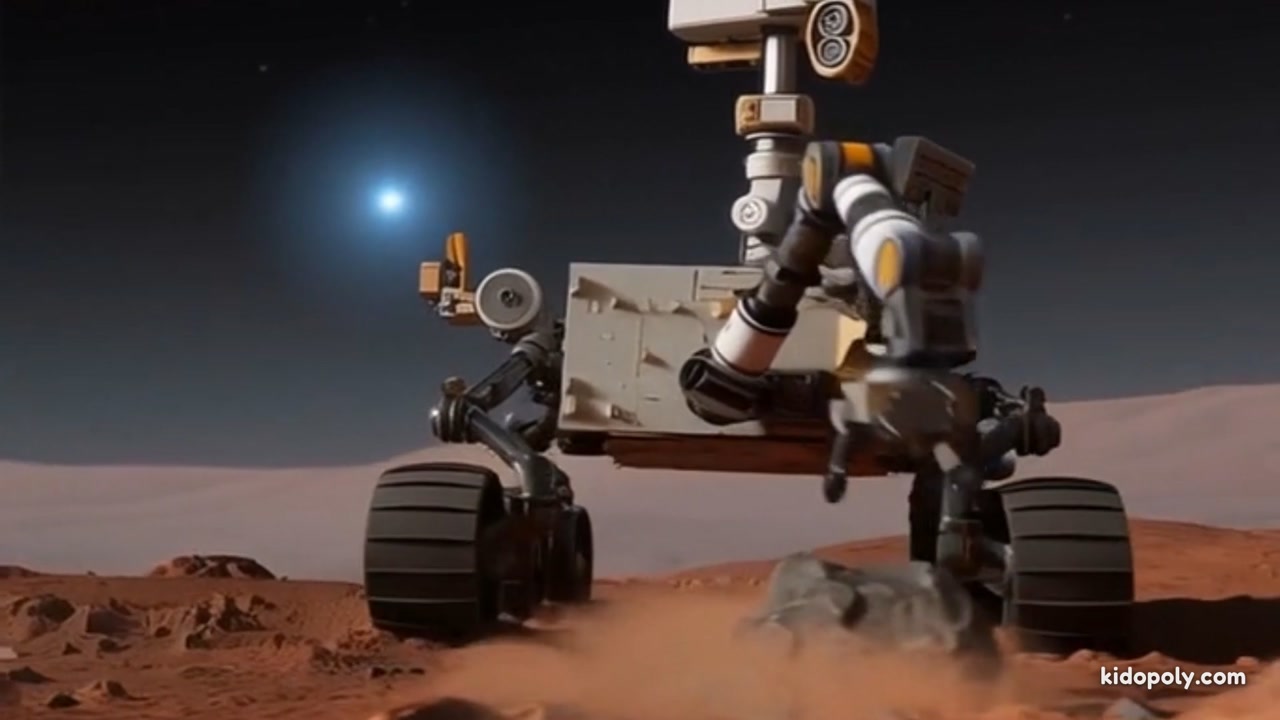
The most amazing part of robot vision is a process called "sensor fusion." This is when a robot's computer takes information from the camera, the laser, and the sound sensors all at the same time to make a decision. If a bright sun-glare blinds the camera, the laser sensor still knows where the obstacles are. If a laser pulse goes straight through a glass door, a touch sensor or sonar will warn the robot to stop. By combining these different superpowers, robots can navigate through busy factories, explore the deep ocean, and even drive across the rocky surface of Mars without ever getting lost!