Robots 1:00

Robots Work Together for Kids

1The Secret of the Swarm

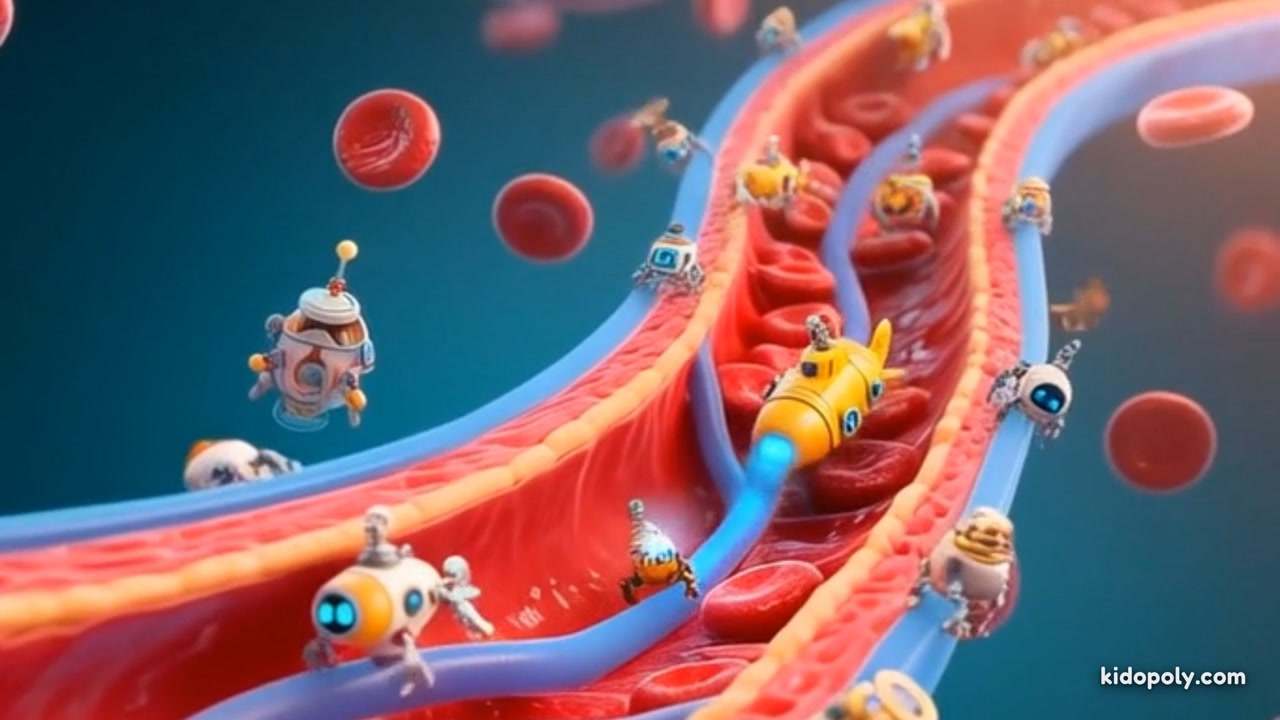
Have you ever watched a colony of ants carry a large piece of food or a flock of birds turn perfectly in the sky? They are using something called swarm intelligence! In the world of technology, scientists are building groups of dozens, hundreds, or even 1,000 tiny robots that work exactly the same way. These robots aren't super-smart on their own, but when they join forces, they can complete massive tasks. Instead of building one giant, expensive robot that might break, it is often better to have a "swarm" of small, simple ones working as a team.

2No Leader, No Problem

One of the coolest things about swarm robots is that they don't have a boss! In a normal computer system, there is usually one central "brain" giving orders. But in a robot swarm, the intelligence is distributed. This means every individual robot follows a few basic rules, like "stay two inches away from your neighbor" or "follow the light." Because there is no single leader, the group is incredibly tough. If 10 robots in a swarm of 100 accidentally trip or run out of battery, the other 90 robots don't stop to wonder what to do—they simply keep working to finish the mission.

3Robots Saving the Day

Scientists are finding amazing ways to use these cooperative machines in the real world. For example, a swarm of tiny swimming robots could be used to find and soak up oil spills in the ocean, or flying "micro-bots" could pollinate flowers like mechanical bees. In emergencies, like after an earthquake, a swarm of small robots can crawl into tiny cracks in fallen buildings to look for people who need help. Because they are small and work together, they can explore much faster than one human or one large robot ever could!
Video Transcript

Introduction

Imagine lots of tiny robots working together like a colony of ants or a flock of birds. This is called swarm intelligence! Instead of one big, super-smart robot, many smaller, simpler robots cooperate to achieve big goals. Each robot only needs to follow a few simple rules, but together, they can do amazing things that one robot alone could never manage.

Key Facts

Did you know swarm robots can build complex structures, explore dangerous places like collapsed buildings, or even clean up spills by dividing the work among themselves? If one robot breaks down, the others simply carry on, because the 'brain' of the operation is spread out among all of them, not in a single leader. This makes them incredibly robust and efficient.

Think About It

If one small robot in a large swarm breaks down, does the whole mission fail, or can the other robots still finish the job?

The Answer

The mission usually continues! With swarm intelligence, there is no single leader. If one robot fails, the others simply adjust and pick up the slack. They can communicate with nearby robots and adapt their behaviour, meaning the overall task still gets done, even with a few members missing. It is a very clever way to make sure a task is completed.

Frequently Asked Questions

Why use many small robots instead of one big one?

Using many small robots is often cheaper and safer because the mission doesn't fail if one part breaks. A swarm can also cover more ground at once, making them perfect for searching large areas or cleaning up big spaces quickly.

How do swarm robots talk to each other?

Most swarm robots use infrared light, radio signals, or even sound to 'talk' to the robots right next to them. They don't need to know what the whole group is doing; they just react to their closest neighbors to stay in formation.

Are swarm robots real or just in movies?

They are very real! Researchers at places like Harvard University have created 'Kilobots,' which are tiny robots that can arrange themselves into shapes like stars or letters using swarm intelligence rules.

Can a robot swarm be used in space?

Yes, NASA is looking at swarm technology to help explore other planets. A swarm of small rovers could work together to map a cave on Mars or search for water on the Moon much more efficiently than a single rover.

Watch More Videos

Discover fun educational videos about science, history, animals, and more.

Explore All Videos
Audience Debug