Geology 1:00

Rock Transformation Journey for Kids

1The Earth’s Amazing Recycling Machine

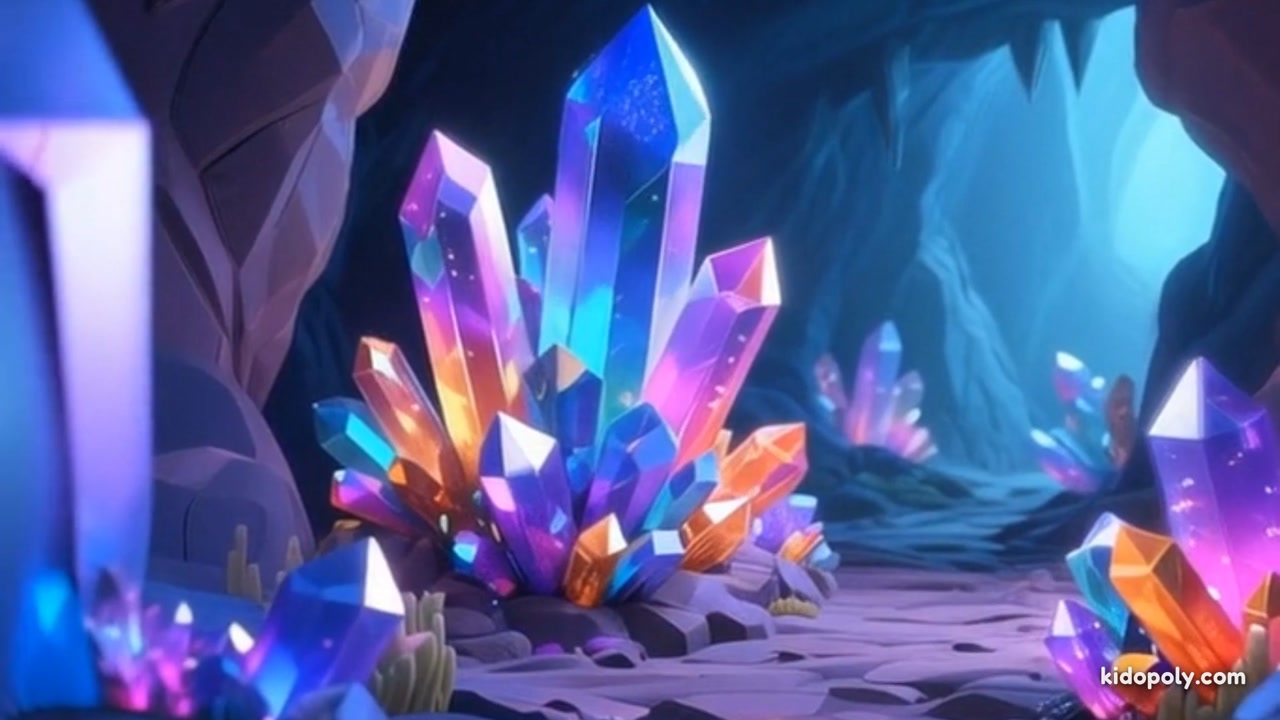
Did you know that the ground beneath your feet is constantly recycling itself? Rocks might look like they just sit there, but they are actually on a journey that lasts millions of years! The Earth uses three main "recipes" to create rocks: Igneous, Sedimentary, and Metamorphic. Igneous rocks are the fire-born starters, created when molten magma or lava cools down from temperatures as high as 1,200 degrees Celsius. Whether it’s a giant granite mountain or a piece of sharp obsidian, every igneous rock began as a liquid deep inside the planet.

2Wind, Water, and the Passing of Time

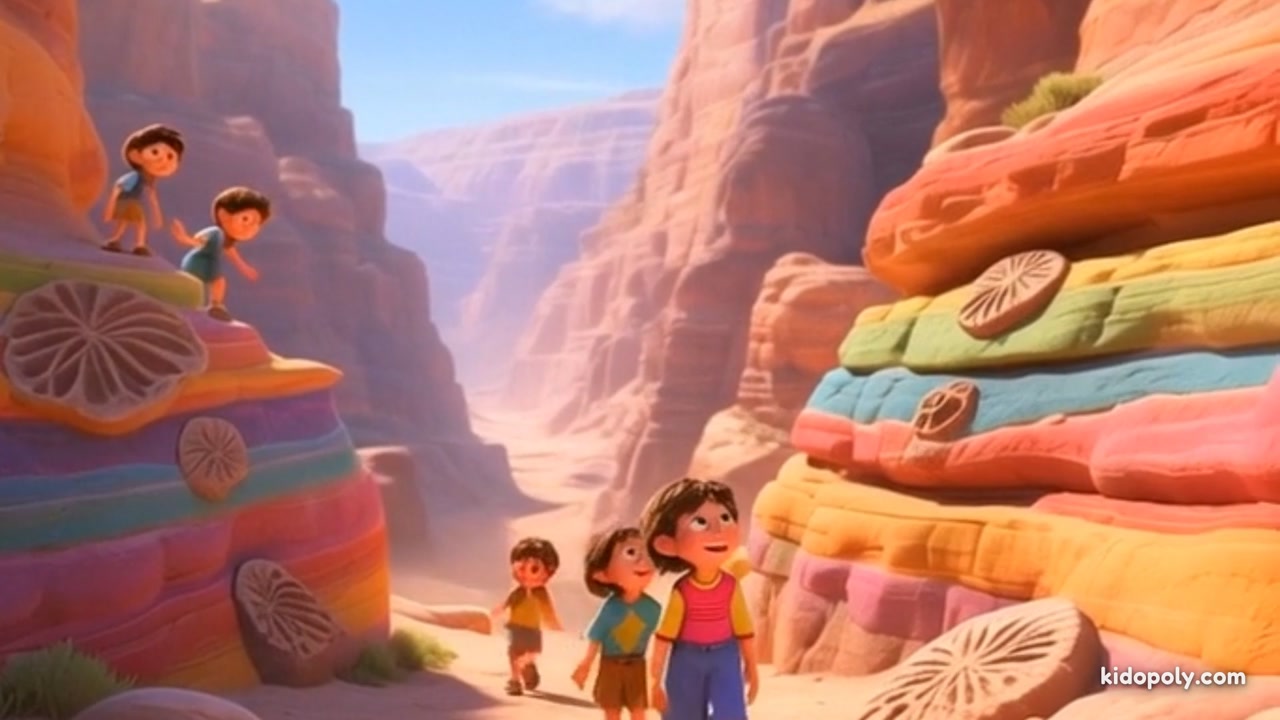
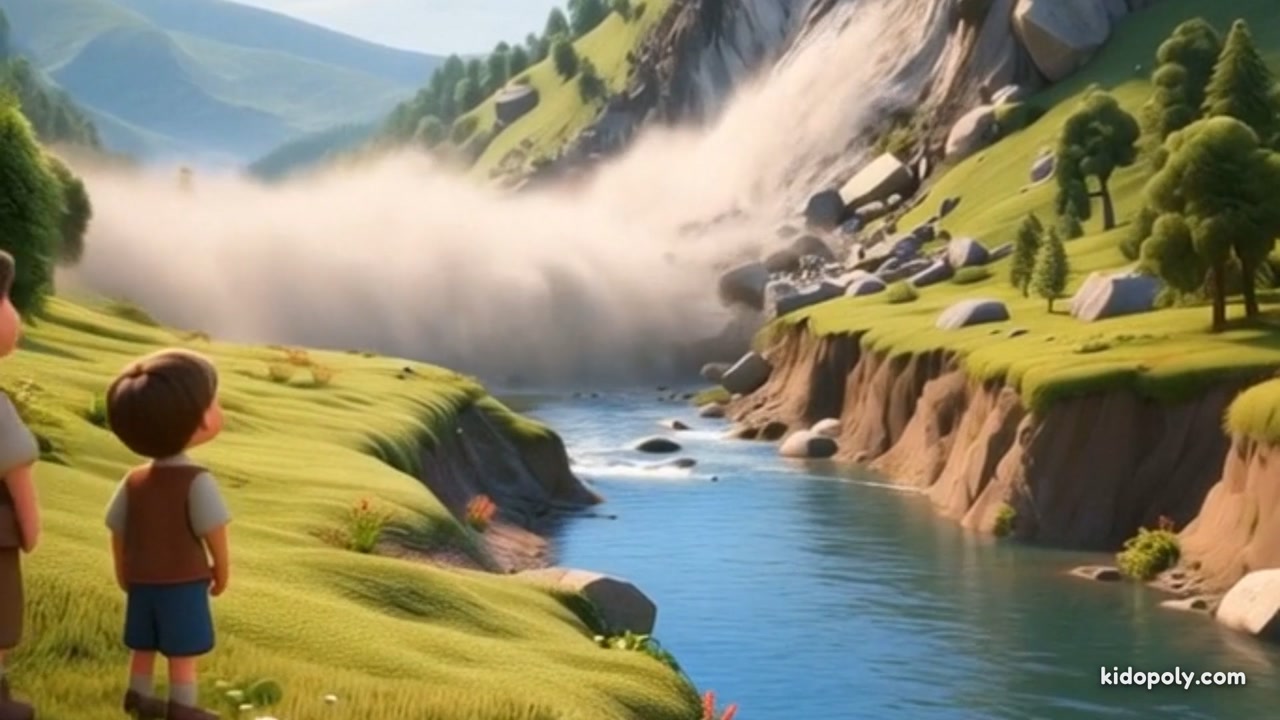
Once a rock is on the surface, the elements take over. Rain, wind, and even ice act like tiny hammers, breaking big boulders into pebbles, sand, and mud. Over thousands of years, these tiny bits settle at the bottom of lakes and oceans in layers called strata. As more layers pile on, the weight becomes so heavy that the bottom layers are squeezed into sedimentary rock. This is where the coolest secrets are hidden, as sedimentary rocks are the only ones that contain fossils of dinosaurs and ancient sea creatures!

3Deep Pressure and the Big Bake

The final stage of the journey happens deep underground. When rocks are buried by shifting tectonic plates, they aren't quite hot enough to melt, but they are under immense pressure. This process, called metamorphism, "bakes" the rock and changes its chemical structure. It is like putting cookie dough in an oven; it goes in soft and comes out a totally different shape and texture! For example, soft limestone can be squished and heated until it turns into hard, beautiful marble. Eventually, these rocks may be pushed so deep they melt back into magma, starting the entire incredible cycle all over again.
Video Transcript

Introduction

Rocks are not just still and boring; they are always on an amazing journey! One type of rock can change into another over millions of years, thanks to Earth's powerful forces like intense heat, immense pressure, and wearing-down weather. It is like a never-ending cycle where old rocks are recycled to make new ones, constantly reshaping our planet.

Key Facts

Did you know that an igneous rock, formed from cooled lava, can be weathered down into tiny bits? These bits can then be squeezed and glued together to become a sedimentary rock! Later, heat and pressure deep underground could even change that sedimentary rock into a metamorphic rock, completing an incredible transformation.

Think About It

If a mountain suddenly appeared where there used to be an ocean, how might the rocks that were once at the bottom of the sea change over time?

The Answer

The rocks from the seabed, likely sedimentary rocks, would experience immense pressure and heat as the mountain grew. This could transform them into metamorphic rocks, changing their structure and appearance entirely, showing how Earth's forces constantly reshape its crust through the rock cycle.

Frequently Asked Questions

How long does it take for a rock to change into another type?

It usually takes millions of years for a rock to complete a transformation. While a volcano can create new igneous rock in just a few days, the slow process of weathering it down into sand or baking it deep underground requires immense patience from Mother Nature!

Can a metamorphic rock turn back into an igneous rock?

Yes! If a metamorphic rock is pushed so deep into the Earth that it gets hot enough to melt, it turns back into magma. Once that magma cools and hardens again, it becomes a brand-new igneous rock, starting the cycle over from the very beginning.

Why are some rocks full of holes while others are very smooth?

Rocks with holes, like pumice, are usually igneous rocks that had gas bubbles trapped inside while they cooled quickly from lava. Very smooth rocks are often sedimentary rocks that have been tumbled in rivers for years, or metamorphic rocks that were squished until they became very dense.

Are there rocks on the moon, and do they have a rock cycle?

The moon is covered in rocks, but it doesn't have a rock cycle like Earth does because it lacks wind, rain, and moving tectonic plates. Most moon rocks are igneous rocks from ancient volcanic activity that have stayed almost exactly the same for billions of years!

Watch More Videos

Discover fun educational videos about science, history, animals, and more.

Explore All Videos
Audience Debug