Science 1:00

Tiny Soil Gardeners for Kids

1The Hidden World Beneath Your Boots

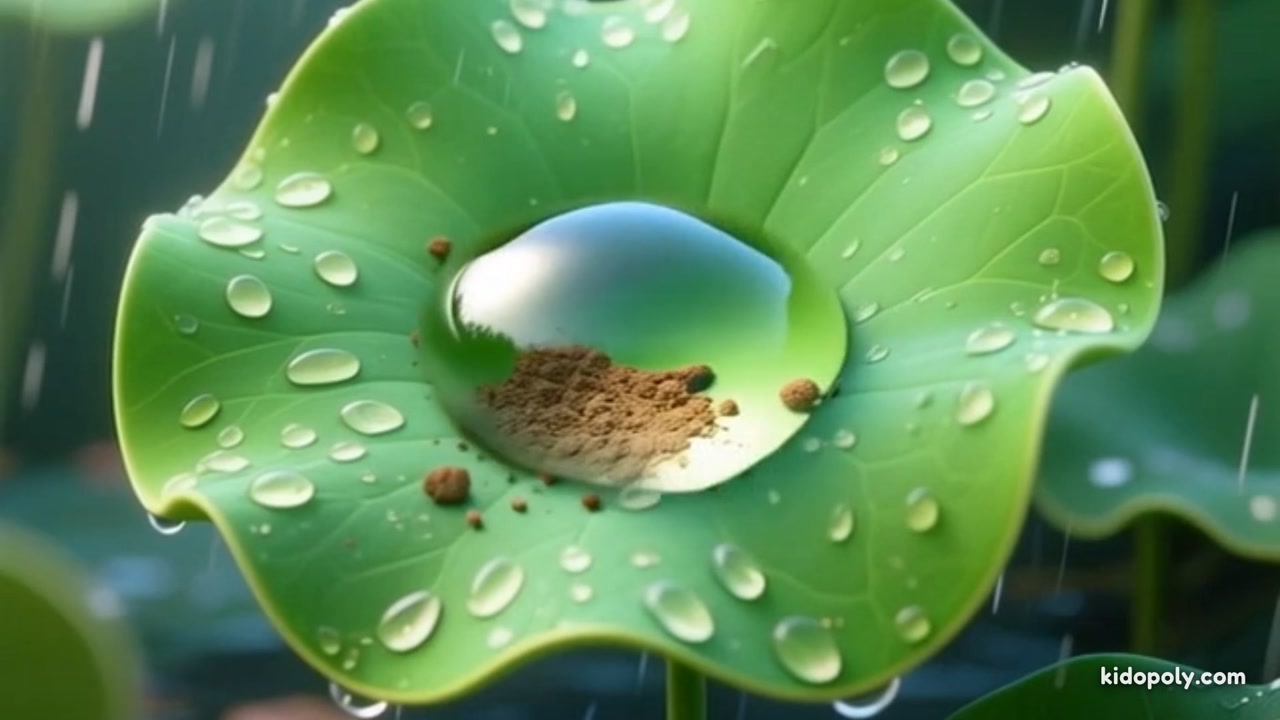
While you are walking through the park or playing in your backyard, a massive construction project is happening right under your feet! This world is filled with billions of tiny organisms called microbes. These include bacteria, which are single-celled life forms, and fungi, which look like tiny threads weaving through the dirt. Even though they are too small to see without a microscope, they are the most important workers on Earth. They act as nature's ultimate recycling team, turning old, crunchy leaves and fallen branches into rich, dark soil that smells like a fresh forest.

2Billion-Member Garden Clubs

It is hard to imagine just how many of these little helpers there are. If you scooped up just one teaspoon of healthy soil, you would be holding more living things than there are humans on the entire planet! That is over 8 billion microorganisms in the palm of your hand. These microbes spend their whole lives eating organic matter. As they digest old plant parts, they produce "humus," which is a nutrient-rich material that acts like a super-vitamin for the next generation of flowers and trees. Without this constant cleaning and feeding process, the ground would eventually run out of the food that plants need to stay green and healthy.

3Tiny Doctors and Plant Bodyguards

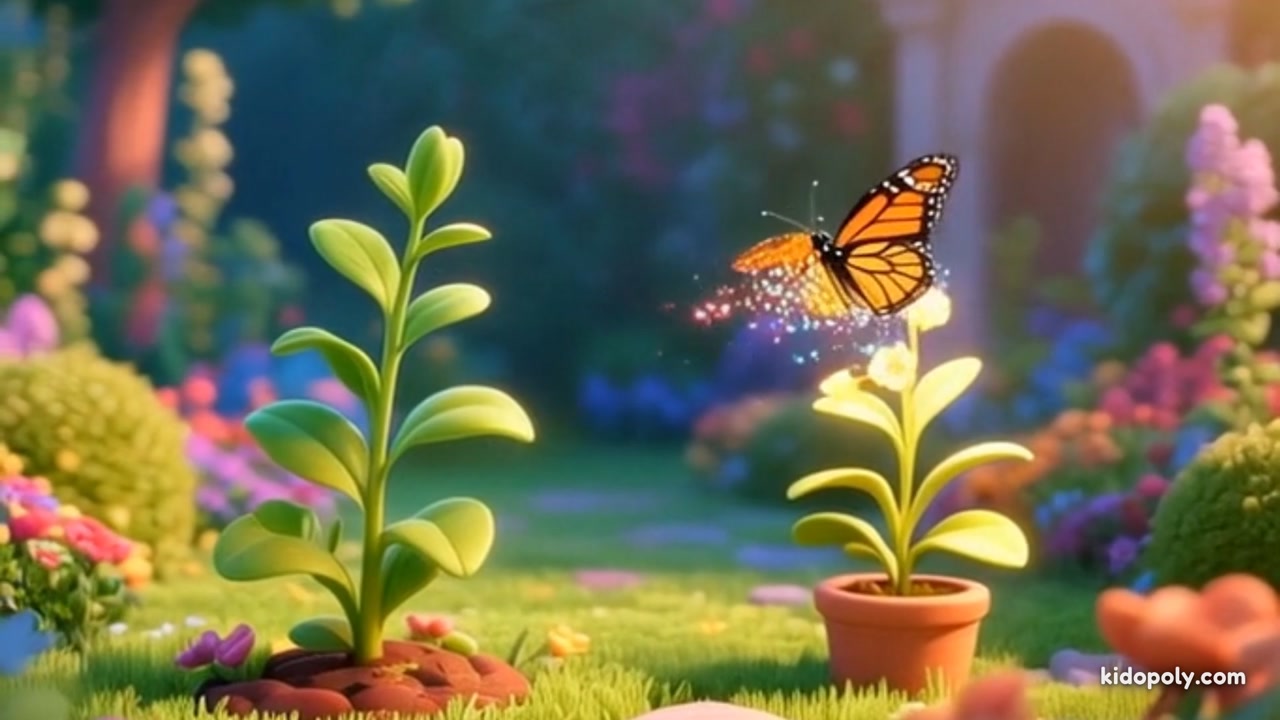
Soil microbes do more than just cook up plant food; they also act as tiny bodyguards and doctors. Some fungi form a special relationship with plant roots called "mycorrhizae." In this partnership, the fungi act like an extension of the roots, helping the plant find water and minerals from deep underground that it couldn't reach on its own. Other microbes produce natural substances that keep harmful pests and diseases away. By keeping the soil balanced and clean, these microscopic gardeners ensure that our forests, farms, and gardens can thrive for hundreds of years to come!
Video Transcript

Introduction

Below our feet, in every handful of soil, lives an amazing hidden world! Billions of tiny creatures, like bacteria and fungi, are busy working as the Earth's mini-gardeners. They might be too small to see, but these soil microbes are super important. They break down old leaves and dead plants, turning them into fresh food that helps new plants grow big and strong.

Key Facts

Did you know that just one teaspoon of healthy soil can contain more microorganisms than there are people on Earth? That is billions and billions of tiny helpers! Also, these microbes do not just make food for plants; some also help plants fight off diseases, making them stronger and healthier, almost like tiny plant doctors.

Think About It

Why is it so important for these tiny soil microbes to break down dead leaves and plants?

The Answer

When dead leaves and plants break down, the tiny soil microbes release important nutrients back into the soil. These nutrients are like vitamins for new plants. Without the microbes recycling these materials, the soil would quickly run out of the food that plants need to grow, and our gardens and forests would not be able to thrive.

Frequently Asked Questions

What exactly are soil microbes?

Soil microbes are tiny living things like bacteria, fungi, and protozoa that live in the ground. They are so small that you would need a powerful microscope to see them, but they are the most numerous living things on Earth!

How do microbes turn leaves into food for plants?

This process is called decomposition. Microbes eat dead plants and leaves, breaking them down into simple nutrients like nitrogen and phosphorus, which they release back into the soil for new plants to drink up through their roots.

Can microbes actually protect plants from getting sick?

Yes, some microbes act like tiny doctors! They live around the roots and fight off bad bacteria or fungi that might cause the plant to wilt, making the plant's immune system much stronger.

Why is there so much life in just one teaspoon of soil?

Microbes are incredibly small, so they don't need much space to live and grow. Because healthy soil is full of water, air, and organic food, it provides the perfect habitat for billions of them to thrive together in a tiny space.

Watch More Videos

Discover fun educational videos about science, history, animals, and more.

Explore All Videos
Audience Debug