Space 1:00

Cosmic Space Rubbish for Kids

1The Messy Orbit Around Our Planet

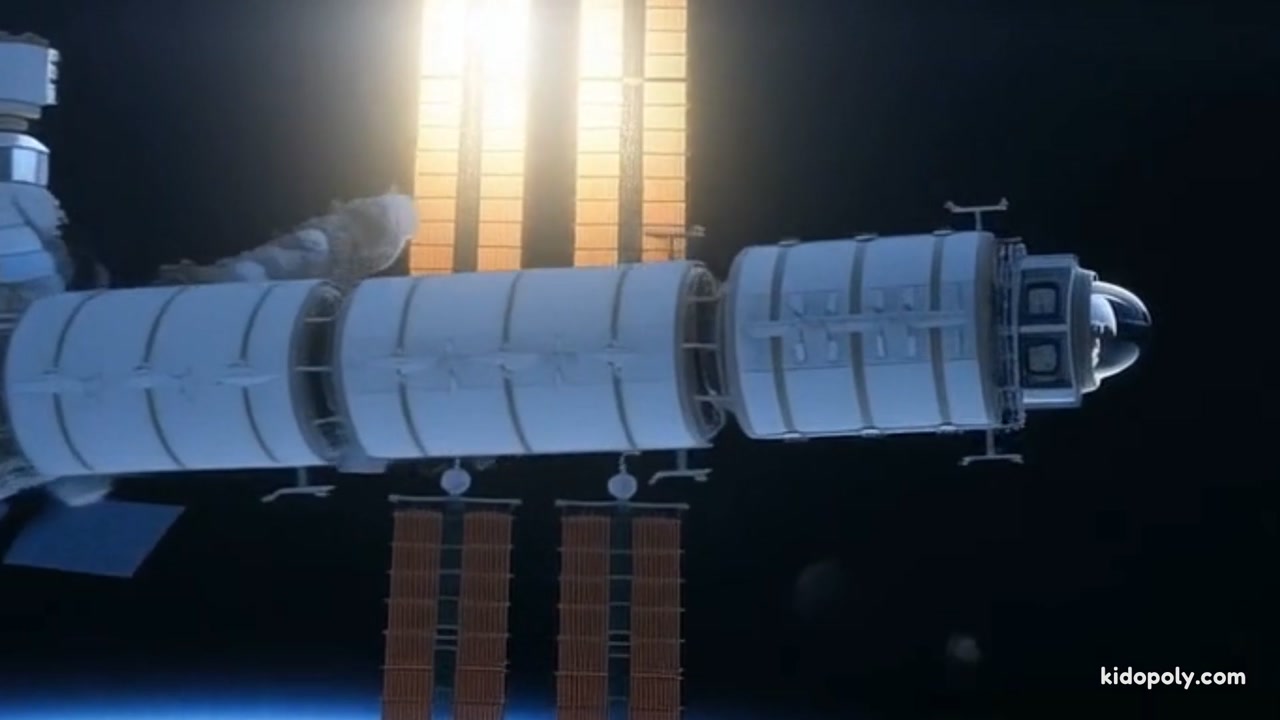
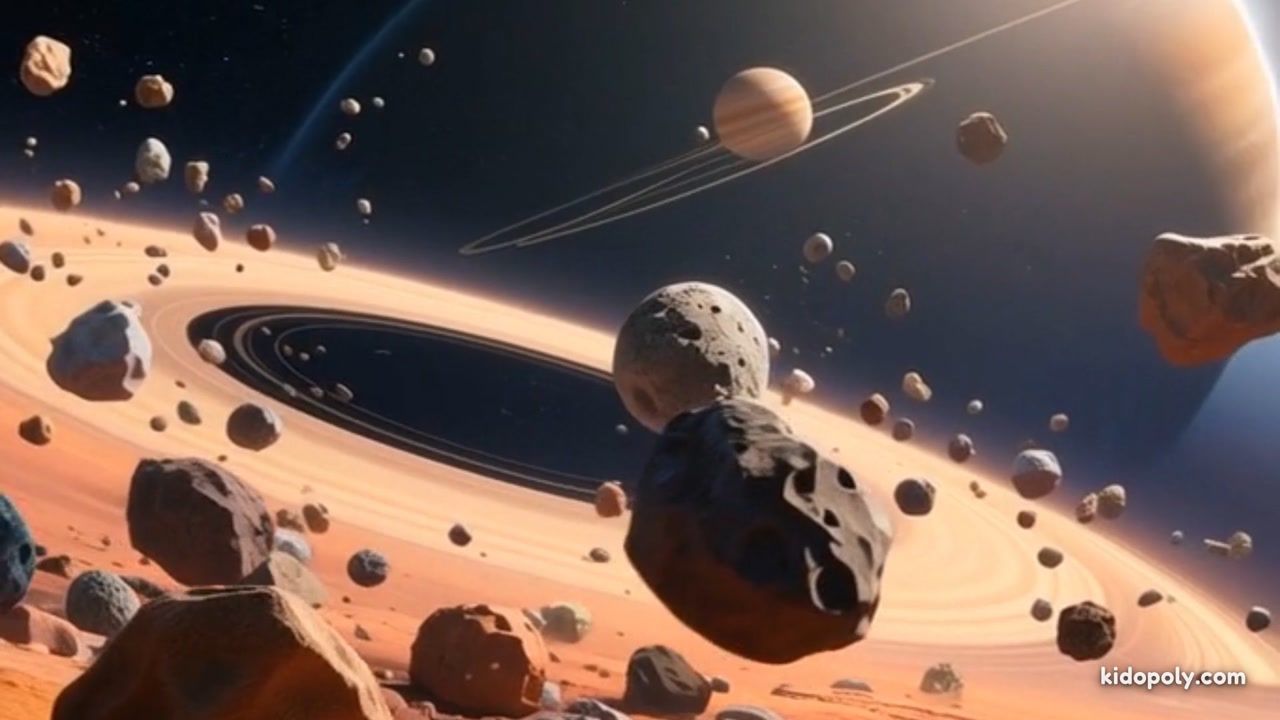
When we think of outer space, we often imagine a pristine, empty vacuum, but the area just above Earth is actually getting quite cluttered! Over the last 60 years of space travel, humans have left behind a lot of stuff. This 'Cosmic Space Rubbish' includes everything from tiny frozen coolant droplets and flecks of paint to massive, dead satellites the size of school buses and discarded rocket stages. There are even a few weird items floating up there, like an astronaut's lost glove and a camera that floated away during a space walk! These objects don't just sit still; they stay in orbit for years, turning the space around Earth into a crowded highway.

2Moving Faster Than a Speeding Bullet

The real danger of space junk isn't just that it is 'trash'—it is how fast it moves. Because of gravity and the speed needed to stay in orbit, these pieces of debris zip around the planet at about 17,500 miles per hour (28,000 kilometres per hour). That is ten times faster than a bullet! At that speed, even a tiny piece of metal the size of a marble can hit a working satellite with the force of a hand grenade. Scientists are particularly worried about the 'Kessler Syndrome,' a theory where one collision creates so much new debris that it causes a chain reaction, making it impossible for us to launch new rockets safely.

3Tracking Trash and Cleaning Up

So, how do we keep our brave astronauts on the International Space Station safe? Specialized teams, like the U.S. Space Surveillance Network, use giant radars to track over 27,000 pieces of junk that are larger than a softball. If a piece of rubbish gets too close, the space station actually has to fire its engines to move out of the way! Future scientists are already working on cool new inventions to clean up the orbit. Some ideas include using giant space nets to catch old satellites, using magnetic harpoons to reel them in, and even using high-powered lasers to push the trash down toward Earth so it can burn up harmlessly in our atmosphere like a shooting star.
Video Transcript

Introduction

Earth's orbit is getting crowded not just with active satellites, but also with old rocket parts and broken pieces. This 'space junk' travels incredibly fast, posing a risk to working satellites and future space missions, making space a bit like a cosmic litter bin.

Key Facts

Did you know there are hundreds of thousands of pieces of space junk bigger than a marble, and millions of tiny pieces, all orbiting Earth? Even a tiny paint chip can cause damage because it is travelling at thousands of kilometres per hour. Scientists track these pieces to help keep space safe.

Think About It

Why is 'space junk' a problem for current and future space travel?

The Answer

Space junk is a big problem because even small pieces travel incredibly fast, faster than a bullet. If a piece of space junk hits an active satellite or a spacecraft with astronauts, it can cause severe damage, creating even more dangerous debris. It makes travelling and working in space much riskier.

Frequently Asked Questions

Can space junk ever fall down to Earth?

Yes, but you don't need to worry about being hit! Most space junk is small enough that it completely burns up due to friction when it hits Earth's atmosphere, creating a bright streak of light. Larger pieces are carefully monitored so that if they do fall, they land in the middle of the ocean far away from people.

How many pieces of junk are actually in space?

There are roughly 34,000 pieces of debris larger than 10 centimeters currently being tracked by radar. However, there are estimated to be over 100 million tiny pieces—like paint chips and metal slivers—that are too small to see but still very dangerous to spacecraft.

What happens if the International Space Station gets hit?

The ISS has special armored shielding to protect it from very small impacts. For larger pieces of junk, mission control calculates the flight path days in advance; if the risk of a hit is higher than 1 in 10,000, the station performs a 'Debris Avoidance Maneuver' to move to a different altitude.

How did the first piece of space junk get there?

The first piece of man-made space junk was created in 1957 when the Soviet Union launched Sputnik 1. After the satellite stopped working and the rocket parts were left behind, they remained in orbit, beginning the era of cosmic rubbish that we are still dealing with today.

Watch More Videos

Discover fun educational videos about science, history, animals, and more.

Explore All Videos
Audience Debug